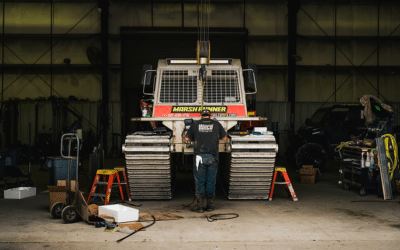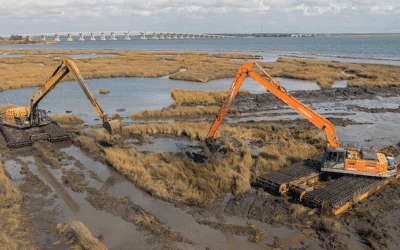
Marsh buggies and other amphibious machines operate in some of the most demanding environments in the world. Wetlands, marshes, coastal zones, and shallow waterways place constant stress on mechanical systems. Over time, even well-maintained equipment experiences wear that affects performance, safety, and operating costs.
Rather than replacing an entire machine when issues arise, many operators turn to marsh buggy spare parts and structured refurbishment programs. Manufacturers such as Wilco Manufacturing, known for designing and supporting heavy-duty amphibious equipment, have shown that when managed correctly, refurbishment can extend equipment life, stabilize budgets, and improve return on investment without compromising operational reliability.
Understanding the Operating Demands of Marsh Buggies
Marsh buggies are designed to move across soft terrain and shallow water where conventional equipment cannot operate. These environments introduce unique challenges:
- Constant exposure to water, mud, sand, and organic debris
- High corrosion risk for metal components
- Abrasive wear on tracks, pontoons, and undercarriage parts
- Increased strain on hydraulic systems and drivetrains
Because of these factors, wear patterns differ significantly from standard construction or earthmoving equipment. Recognizing these differences is essential when planning maintenance, sourcing parts, or deciding when to refurbish amphibious equipment.
The Role of Spare Parts in Equipment Longevity
A reliable parts strategy is the foundation of any lifespan extension plan. Marsh buggy spare parts allow operators to address issues early before minor wear becomes major damage.
Common Wear Components in Amphibious Machines
Certain parts experience predictable wear due to operating conditions. These include:
- Track chains, rollers, and idlers
- Pontoon seals and flotation components
- Hydraulic hoses and fittings
- Pins, bushings, and bearings
- Electrical connectors exposed to moisture
Regular inspection and timely replacement of these components helps maintain efficiency and reduces unplanned downtime.
Parts Inventory Planning
Maintaining an organized parts inventory is especially important for operators working in remote areas. Delays in sourcing replacement parts for amphibious machines can halt projects and increase costs.
An effective inventory plan considers:
- Historical failure and wear data
- Lead times for critical components
- Environmental conditions of operation
- Equipment age and usage intensity
Balancing inventory levels avoids overstocking while ensuring critical parts are available when needed.
OEM vs Aftermarket Parts: Making Informed Decisions
One of the most common questions in spare parts planning is whether to use original equipment manufacturer parts or aftermarket alternatives. Each option has advantages and limitations depending on the application.
OEM Parts
OEM parts are designed to meet the original specifications of the machine. They often provide predictable performance and compatibility.
Advantages:
- Known fit and material quality
- Alignment with manufacturer standards
- Reduced risk of compatibility issues
Considerations:
- Higher cost in some cases
- Limited availability for older equipment
Aftermarket Parts
Aftermarket suppliers may offer compatible components at different price points or with design variations.
Advantages:
- Potential cost savings
- Broader availability for legacy machines
- Options for upgraded materials
Considerations:
- Variable quality across suppliers
- Need for careful verification of specifications
For critical systems such as flotation, hydraulics, and drivetrains, many operators prioritize OEM parts. For non critical wear components, high quality aftermarket options may be appropriate if properly vetted.
When to Refurbish Amphibious Equipment
Refurbishment is a structured process that goes beyond routine maintenance. It involves restoring critical systems to extend service life and improve reliability. For operators working closely with an amphibious excavator manufacturer, a well-planned refurbishment program also ensures compatibility with original design standards while optimizing long-term performance in challenging environments.
Signs That Refurbishment May Be Appropriate
- Repeated failures in the same components
- Rising maintenance costs relative to machine value
- Decreased operational efficiency
- Safety concerns related to worn systems
Refurbishment decisions should be based on inspection data and cost analysis rather than age alone.
The Refurbishment Process Explained
Refurbishing amphibious equipment typically follows a series of planned steps. Understanding this process helps operators manage expectations and downtime.
1. Initial Inspection and Assessment
The process begins with a comprehensive inspection of mechanical, hydraulic, structural, and electrical systems. This assessment identifies:
- Components at end of service life
- Structural fatigue or corrosion
- Systems requiring partial or full replacement
Accurate documentation at this stage supports cost estimation and planning.
2. Scope Definition and Planning
Based on inspection findings, a refurbishment scope is defined. This includes:
- Parts to be replaced or rebuilt
- Systems to be upgraded or modified
- Estimated turnaround time
Clear scope definition prevents unexpected delays and budget overruns.
3. Disassembly and Component Evaluation
Key systems are disassembled for detailed evaluation. Components may be:
- Replaced with new or remanufactured parts
- Rebuilt using service kits
- Cleaned and reused if within tolerance
This stage often reveals hidden wear not visible during initial inspection.
4. Reassembly and Testing
After refurbishment, systems are reassembled and tested under controlled conditions. Testing verifies:
- Proper alignment and fit
- Hydraulic pressure and flow
- Electrical system integrity
Only after testing is complete should the machine return to service.
Typical Turnaround Time for Refurbishment
Turnaround time varies depending on machine size, refurbishment scope, and parts availability. Planning for downtime is essential, especially for rental fleets or project based operations.
| Refurbishment Scope | Typical Turnaround Time | Key Factors |
| Minor systems overhaul | 1 to 2 weeks | Parts availability, labor |
| Partial refurbishment | 3 to 5 weeks | Structural repairs, hydraulics |
| Full machine refurbishment | 6 to 10 weeks | Extensive disassembly, testing |
Accurate scheduling helps minimize disruption and allows operators to allocate backup equipment if needed.
Extending Lifespan Through Preventive Refurbishment
Refurbishment does not always need to wait for failure. Preventive refurbishment focuses on addressing wear before it affects performance or safety.
Benefits of a Preventive Approach
- Lower overall repair costs
- Improved reliability and uptime
- More predictable maintenance budgets
By combining routine inspections with targeted refurbishment, operators can extend service life without major operational interruptions.
Best Practices for Operators and Service Shops
Operators, rental companies, and service shops each play a role in maximizing equipment lifespan.
For Operators
- Conduct regular inspections focused on wear components
- Track parts replacement history
- Plan refurbishment during low demand periods
For Rental Companies
- Standardize refurbishment criteria across fleets
- Maintain consistent parts inventory
- Use data from multiple machines to predict wear trends
For Service Shops
- Develop expertise in amphibious systems
- Verify part compatibility carefully
- Document refurbishment processes and outcomes
Collaboration between these groups improves decision making and reduces unexpected failures.
Environmental and Operational Considerations
Refurbishment also supports environmental and regulatory goals. Extending the life of existing equipment reduces material consumption and waste associated with manufacturing new machines.
Additionally, properly maintained and refurbished marsh buggies operate more efficiently, which can reduce fuel usage and environmental impact in sensitive wetland areas.
Conclusion
Marsh buggies operate in environments that accelerate wear and challenge conventional maintenance practices. Through thoughtful use of marsh buggy spare parts and structured refurbishment strategies, operators can extend equipment lifespan while managing costs and reliability.
Understanding wear components, balancing OEM vs aftermarket parts, planning refurbishment scope, and evaluating ROI all contribute to informed decision making. For operators, rental companies, and service shops alike, refurbishment is not simply a repair activity. It is a strategic tool for sustaining amphibious equipment performance over the long term. Need expert guidance on marsh buggy refurbishment or sourcing reliable spare parts? Contact us today to discuss your equipment needs and long-term maintenance strategies with our experienced team.
Frequently Asked Questions
What are the most critical marsh buggy spare parts to keep in stock?
Critical parts typically include hydraulic hoses, seals, wear components for tracks or pontoons, and electrical connectors. Stocking these reduces downtime caused by predictable wear.
How often should amphibious equipment be refurbished?
There is no fixed interval. Refurbishment timing depends on usage intensity, operating environment, and inspection results. Many operators reassess refurbishment needs every few years.
Is it better to refurbish or replace older machines?
This depends on structural condition and cost comparison. If the core structure is sound, refurbishment often provides a better ROI than full replacement.
Are aftermarket replacement parts for amphibious machines reliable?
Aftermarket parts can be reliable if sourced from reputable suppliers and verified for compatibility. Quality varies, so evaluation is essential.
How can turnaround time be minimized during refurbishment?
Advance planning, accurate scope definition, and ensuring parts availability before disassembly are key factors in reducing turnaround time.