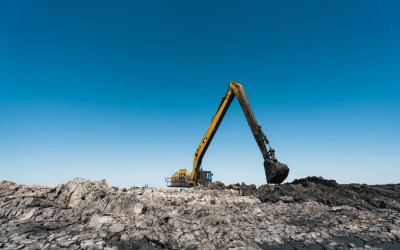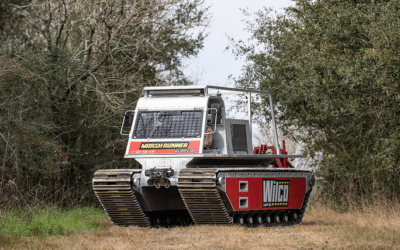
Working in wetlands, marshes, and other soft ground environments presents unique challenges. Traditional construction equipment is often unsuitable due to weight, ground pressure, and access limitations. This is where mini amphibious excavators from Wilco Manufacturing play a critical role. Designed to operate efficiently on waterlogged terrain, these machines allow contractors, environmental agencies, and land managers to complete projects with minimal ground disturbance.
This article explores the most common and practical mini amphibious excavator uses, with a focus on small marsh projects and equipment solutions developed by Wilco Manufacturing. It explains how floating mini excavators function, where compact aquatic excavators are most effective, and what factors to consider when selecting a marsh excavator for sale. The goal is to provide an informative, use-case-driven overview rather than a sales-focused discussion.
Understanding Mini Amphibious Excavators
Mini amphibious excavators are machines designed for work in wetlands, swamps, and shallow water. Equipped with sealed pontoons and hydraulic systems, they provide stability, mobility, and precision. Excavators are ideal for dredging, canal maintenance, environmental projects, and difficult terrain operations.
What Is a Mini Amphibious Excavator
A mini amphibious excavator is a compact excavator mounted on pontoons instead of traditional tracks. These pontoons distribute weight evenly, allowing the machine to float or travel over soft, saturated ground. Some models are capable of working in shallow water, mud, peat, and marshland without sinking or damaging the surface.
Often referred to as floating mini excavators or compact aquatic excavators, these machines are smaller than standard amphibious equipment. Their reduced size makes them suitable for projects with limited access, narrow waterways, or sensitive ecological conditions.
How Amphibious Excavation Differs From Conventional Excavation
Unlike conventional excavators that rely on solid ground stability, amphibious excavators are designed for buoyancy and low ground pressure. This difference allows them to operate where wheeled or tracked machines cannot.
Key distinctions include:
- Lower ground pressure to reduce soil compaction
- Ability to work in shallow water and marsh environments
- Improved access to remote or environmentally sensitive sites
- Reduced need for temporary access roads or matting
These features make mini amphibious excavators particularly useful for small marsh projects where environmental impact and precision are priorities.
Why Marsh Projects Require Specialized Equipment
Marsh projects require specialized equipment because soft, waterlogged terrain demands machines with low ground pressure, enhanced traction, corrosion resistance, and amphibious capability to ensure safety, efficiency, and environmental protection standards.
Challenges of Working in Marshland
Marsh environments are typically composed of soft soils, standing water, dense vegetation, and uneven terrain. These conditions can create safety risks and limit productivity when using standard equipment.
Common challenges include:
- Equipment sinking or becoming immobilized
- Damage to sensitive plant and wildlife habitats
- Difficulty transporting machinery to the worksite
- Increased risk of soil erosion and sediment disturbance
A small marsh buggy or amphibious excavator helps mitigate these issues by providing stable access without extensive site preparation.
Environmental and Regulatory Considerations
Many marsh projects are subject to environmental regulations aimed at protecting wetlands. Using equipment that minimizes disturbance can support compliance with these requirements.
Mini amphibious excavators allow operators to:
- Reduce soil displacement
- Limit vegetation damage
- Maintain natural water flow patterns
- Perform targeted excavation with greater control
This makes them suitable for both commercial and conservation focused applications.
Best Use Cases for Mini Amphibious Excavators in Small Marsh Projects
A mini amphibious excavator is ideal for small marsh projects such as drainage maintenance, pond cleaning, vegetation removal, pipeline installation, shoreline restoration, and working in confined, waterlogged areas with minimal environmental disturbance.
Marsh Restoration and Habitat Enhancement
One of the most common mini amphibious excavator uses is marsh restoration. Restoration projects often involve reshaping channels, removing invasive vegetation, or reestablishing natural water flow.
A floating mini excavator can access shallow wetlands without draining them, allowing work to proceed while preserving existing habitats. Its compact size supports precise digging and grading, which is essential for ecological balance.
Typical tasks include:
- Creating or restoring tidal channels
- Removing sediment buildup
- Installing natural barriers or berms
- Supporting native vegetation replanting
Drainage and Water Management
Small marshes often require drainage improvements to prevent flooding or maintain water levels. Compact aquatic excavators are well suited for cleaning ditches, maintaining culverts, and managing water flow in confined areas.
Their ability to operate in waterlogged conditions allows operators to:
- Clear blocked drainage channels
- Regrade shallow waterways
- Maintain stormwater retention areas
This is particularly relevant for agricultural land, golf courses, and municipal drainage systems adjacent to wetlands.
Utility and Infrastructure Support
Marshland is frequently crossed by pipelines, cables, and access routes that require maintenance. Mini amphibious excavators can support utility work by providing safe access to these locations.
Use cases include:
- Excavating around buried utilities
- Supporting bridge or boardwalk construction
- Installing erosion control structures
A small marsh buggy with excavation capability can maneuver around obstacles more easily than larger machines, reducing disruption.
Environmental Monitoring and Research Projects
Research and monitoring activities in wetlands often require small scale excavation or site preparation. These projects benefit from equipment that can operate quietly and precisely.
Mini amphibious excavators are used for:
- Installing monitoring wells
- Creating sampling pits
- Supporting scientific instrumentation placement
Their low impact design aligns well with the goals of environmental research organizations.
Vegetation and Sediment Management
Over time, marshes can become overgrown or clogged with sediment. Managing this buildup helps maintain water quality and habitat health.
A marsh excavator for sale that is properly sized for small projects can assist with:
- Removing excess sediment
- Clearing invasive plant species
- Maintaining open water areas
This type of maintenance often requires repeated access, making amphibious equipment a practical long term solution.
Comparison of Mini Amphibious Excavators and Conventional Equipment
| Feature | Mini Amphibious Excavator | Conventional Mini Excavator |
| Ground pressure | Very low | Moderate to high |
| Water operation | Yes | No |
| Marsh accessibility | High | Limited |
| Environmental impact | Reduced | Higher |
| Site preparation needed | Minimal | Often required |
This comparison highlights why floating mini excavators are preferred for marsh specific tasks.
Key Features to Look for in a Compact Aquatic Excavator
Key features include corrosion-resistant materials, amphibious tracks, strong hydraulic power, 360-degree rotation, fuel efficiency, easy transport, operator comfort, durability, low maintenance, and advanced safety controls for reliable aquatic operations daily.
Pontoon Design and Stability
Pontoon width, length, and buoyancy directly affect performance. For small marsh projects, compact pontoons that provide stability without excessive footprint are ideal.
Attachment Compatibility
Many mini amphibious excavators support attachments such as buckets, cutters, and grapples. This flexibility allows one machine to perform multiple tasks.
Transport and Assembly
Smaller units are easier to transport to remote marsh locations. Some models are designed for quick assembly, reducing setup time.
Operator Control and Visibility
Precision is critical in marsh environments. Good visibility and responsive controls help operators work accurately while avoiding sensitive areas.
Final Thoughts
Mini amphibious excavators have become an essential tool for working in marsh environments where access, stability, and environmental sensitivity matter. Their ability to operate on soft ground and shallow water makes them especially valuable for small marsh projects that demand precision and care.
By understanding the most effective mini amphibious excavator uses and selecting the right compact aquatic excavator for specific tasks, project managers and operators can achieve better results while respecting the unique challenges of marshland environments. For expert guidance or to learn more about the best equipment solutions for your project, please contact us today.
Frequently Asked Questions
What is the difference between a floating mini excavator and a marsh buggy
A floating mini excavator is primarily designed for excavation tasks and uses pontoons for buoyancy. A small marsh buggy may focus more on transport and access, with limited excavation capability.
Can mini amphibious excavators work in deep water
Most compact aquatic excavators are designed for shallow water and marsh conditions. Deep water operation typically requires larger, specialized amphibious equipment.
Are mini amphibious excavators suitable for year round use
They can be used year round depending on climate and site conditions. Seasonal factors such as freezing temperatures or high water levels may affect operation.
How do mini amphibious excavators reduce environmental impact
Their low ground pressure and precise control help minimize soil disturbance, vegetation damage, and erosion compared to conventional machinery.
What projects benefit most from a marsh excavator for sale
Projects involving wetland restoration, drainage maintenance, utility access, and sediment management in small marsh areas benefit the most.