Introduction
Amphibious Equipment plays a critical role in enabling construction and infrastructure work in wetlands and marshland environments. Amphibious Equipment is specifically engineered to operate on both land and water, making it essential for projects where traditional machinery cannot perform. Amphibious Equipment is widely used in areas with soft soil, standing water, and unstable ground, providing access and mobility where other machines would fail.
For engineers and government buyers, understanding Amphibious Equipment is important when planning projects in environmentally sensitive or physically challenging locations. These machines are designed to reduce ground pressure, improve safety, and maintain operational efficiency in complex terrain. This guide explains how they work, their applications, and why they are essential in marshland construction.
What Is Amphibious Equipment
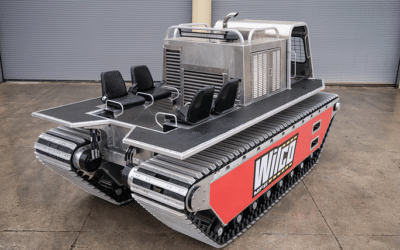
Amphibious machinery refers to specialised vehicles and machines capable of functioning both on solid ground and in waterlogged environments. Unlike standard construction equipment, these machines are designed with buoyant structures and low ground pressure systems.
Common features include:
- Pontoons or sealed tracks for flotation
- Lightweight yet durable construction
- Water resistant components
- Enhanced traction on soft terrain
These characteristics allow amphibious machinery to operate as swamp vehicles, providing reliable movement across marshes, swamps, and wetlands.
Types of Amphibious Equipment
There are several types of marshland equipment designed for different tasks. Each serves a specific purpose depending on project requirements.
Amphibious Excavators
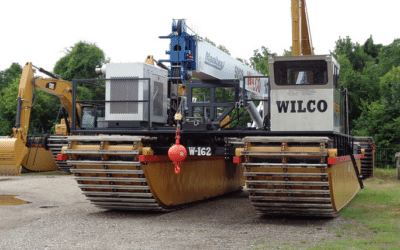
These are used for digging, dredging, and material handling in wet environments. They are often mounted on floating platforms or pontoons.
Marsh Buggies
Marsh construction equipment like marsh buggies are designed for transportation and support tasks. They can carry personnel, tools, and materials across difficult terrain.
Floating Work Platforms
Floating work platforms provide a stable base for construction activities. They are commonly used in projects that require stationary operations in water.
Utility and Support Vehicles
These swamp vehicles assist in logistics, maintenance, and transportation within marshland sites.
How Amphibious Equipment Works
The functionality of Amphibious Equipment is based on its ability to distribute weight evenly and maintain buoyancy. This prevents the machine from sinking into soft ground or water.
Key operational principles:
- Pontoons provide flotation and stability
- Wide tracks reduce ground pressure
- Hydraulic systems power attachments and movement
- Sealed components protect against water damage
These systems work together to ensure that wetland access equipment can operate efficiently in extreme conditions.
Maintenance and Parts Considerations
Maintaining Amphibious Equipment is essential for long term performance and safety. Regular inspections and timely replacement of parts ensure reliability.
Important maintenance areas:
- Inspection of pontoons and flotation systems
- Monitoring hydraulic components
- Checking seals and water resistant features
- Replacing worn parts as needed
Access to reliable components, such as those available through Hydratrek parts, supports consistent equipment performance.
Applications in Marshland Construction
Amphibious Equipment is essential for a wide range of construction activities in marshland areas. Its versatility makes it suitable for both large scale infrastructure projects and environmental work.
Common applications include:
- Building and maintaining levees and flood control systems
- Installing pipelines and utilities in wetlands
- Dredging and waterway maintenance
- Environmental restoration and habitat protection
- Bridge and roadway construction in marshy regions
In these scenarios, marsh construction equipment provides the access and capability needed to complete projects safely.
Importance for Engineers and Government Projects
For engineers and government agencies, selecting the right equipment is critical for project success. Amphibious machinery ensures that work can be carried out without causing excessive environmental damage.
Key considerations include:
- Compliance with environmental regulations
- Minimising disruption to ecosystems
- Ensuring worker safety in hazardous conditions
- Maintaining efficiency in remote locations
These factors make amphibious equipment a preferred choice for public infrastructure and environmental projects.
Advantages of Using Amphibious Equipment
Amphibious Equipment offers several benefits that make it indispensable in marshland construction.
Key advantages:
- Ability to operate in both land and water environments
- Reduced ground pressure to protect soil structure
- Access to remote and difficult locations
- Increased safety compared to traditional machinery
- Versatility across multiple applications
These benefits allow projects to proceed without the limitations imposed by challenging terrain.
Comparison with Traditional Construction Equipment
Traditional construction equipment is not designed for wetland conditions. It often struggles with stability and mobility in soft soil.
Differences include:
- Amphibious machinery provides flotation while standard machines do not
- Wetland access equipment operates in waterlogged areas
- Traditional equipment requires stable ground
- Amphibious systems minimise environmental impact
Understanding these differences helps in choosing the right solution for specific projects.
Choosing the Right Equipment for Your Project
Selecting the appropriate Amphibious Equipment depends on several factors. Engineers must evaluate project requirements carefully.
Key factors include:
- Type of terrain and water depth
- Nature of the construction work
- Load capacity requirements
- Environmental considerations
Different models, including those in the Marsh Runner range, are designed to meet varying operational needs.
Safety Considerations in Marshland Operations
Working in marshland environments presents unique risks. Proper safety measures are essential when using amphibious machinery.
Safety practices include:
- Training operators for wetland conditions
- Conducting regular equipment inspections
- Monitoring weather and water levels
- Using appropriate protective gear
These measures help ensure safe and efficient project execution.
When to Seek Expert Guidance
Choosing and deploying Amphibious Equipment requires technical expertise. For complex projects, consulting with specialists can improve outcomes.
If you need additional information or support, you can reach out through the contact Wilco Manufacturing page to better understand equipment options and requirements.
Conclusion
Amphibious Equipment is a vital solution for construction and infrastructure projects in marshland and wetland environments. Its ability to operate on both land and water makes it indispensable for engineers and government agencies working in challenging conditions.
By understanding its functionality, applications, and benefits, project planners can make informed decisions that improve efficiency and reduce environmental impact. Selecting the right equipment and maintaining it properly ensures long term success in marshland construction.
Frequently Asked Questions
1. What is Amphibious Equipment used for
It is used for construction, dredging, and transportation in wetlands, marshes, and waterlogged areas.
2. How does amphibious machinery work
It uses pontoons or specialised tracks to provide flotation and reduce ground pressure.
3. What are swamp vehicles
Swamp vehicles are a type of amphibious equipment designed to move across soft and wet terrain.
4. Why is Amphibious Equipment important in marshland construction
It provides access and stability in areas where traditional equipment cannot operate.
5. What should be considered when choosing marshland equipment
Factors include terrain conditions, project requirements, load capacity, and environmental impact.