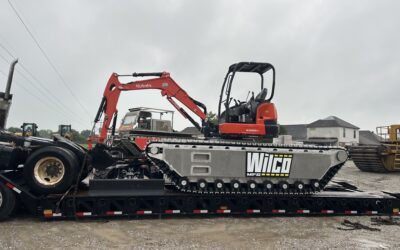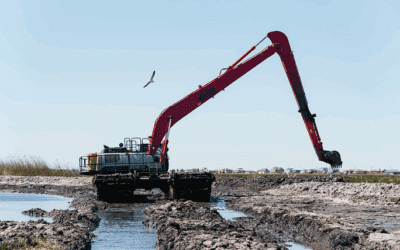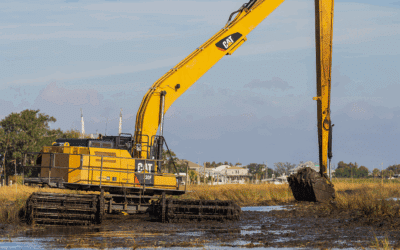
Wetland and soft terrain construction projects present a unique set of challenges. Unstable ground conditions, environmental sensitivity, and access limitations require specialized equipment that balances power, reach, and ground protection. One of the most commonly used machines for utility, construction, and infrastructure work in these environments is the digger derrick, such as those manufactured by Wilco Manufacturing.
Selecting the right digger derrick for wetland applications is not a straightforward decision. Buyers must evaluate terrain conditions, load requirements, mobility constraints, and machine specifications to ensure safe and efficient operation. This guide explores how digger derricks from Wilco Manufacturing are used in wetlands and soft ground, what specifications matter most, and how to approach the buyer decision process with clarity and confidence.
Understanding Wetland and Soft Terrain Work Environments
Wetlands and soft terrain areas include marshes, floodplains, coastal zones, peatlands, and other low bearing capacity surfaces. These environments are often protected by environmental regulations, which adds further complexity to equipment selection and operation.
Key challenges in wetland projects
Wetland construction sites typically involve:
- Low soil bearing strength
- High moisture content and standing water
- Risk of equipment sinking or becoming immobilized
- Limited access routes for heavy machinery
- Environmental protection requirements
Equipment used in these areas must minimize ground disturbance while still performing demanding lifting, digging, and material handling tasks.
What Is a Digger Derrick and How Is It Used?
A digger derrick is a versatile piece of equipment that combines a rotating crane with an auger used for drilling holes. It is commonly mounted on a truck or tracked carrier and is widely used in utility construction, telecommunications, foundation work, and commercial infrastructure projects.
Compact models, often referred to as a mini derrick digger, provide the same functionality in a smaller, more maneuverable design, making them ideal for projects with limited space or lighter-duty requirements.
Typical applications include
- Drilling holes for utility poles
- Lifting and setting poles or structural components
- Handling materials on site
- Supporting line construction and maintenance
In wetland environments, digger derricks are often used where traditional cranes or excavators may not be suitable due to ground conditions.
Why Wetland Projects Require Specialized Crane Equipment
Standard truck mounted cranes may exert excessive ground pressure, increasing the risk of sinking or site damage. Wetland crane equipment is designed to distribute weight more effectively and operate safely on soft or saturated soil.
Characteristics of wetland suitable equipment
- Lower ground pressure through tracks or flotation tires
- Stable lifting capacity on uneven surfaces
- Compact footprint for restricted access areas
- Ability to operate in shallow water or muddy conditions
A digger derrick configured for wetland use often incorporates these features through its carrier design, outriggers, and overall weight distribution.
Evaluating Digger Derrick Specifications for Soft Terrain
Understanding digger derrick specs is essential when evaluating equipment for wetlands. Specifications directly influence performance, safety, and suitability for challenging terrain.
Key specifications to review
1. Maximum lifting capacity
The rated lifting capacity determines the size and weight of materials the machine can safely handle. In wetland projects, lifts are often more conservative due to ground stability concerns.
2. Boom length and reach
Longer booms allow operators to work from stable ground without repositioning the machine frequently. This is especially important in environmentally sensitive areas.
3. Auger torque and diameter
Auger performance affects the ability to drill in saturated soils or mixed ground conditions. High torque and appropriate auger sizing improve efficiency and reduce rework.
4. Carrier type and weight
The carrier influences ground pressure and mobility. Lighter machines or tracked carriers are often preferred in soft terrain.
5. Outrigger design
Outriggers that spread load effectively help stabilize the digger derrick on uneven or soft surfaces.
Comparing Digger Derrick Carrier Options
Carrier selection plays a significant role in wetland suitability. The table below outlines common carrier types and their general advantages in soft terrain environments.
Table: Digger Derrick Carrier Types for Wetland Use
| Carrier Type | Ground Pressure | Mobility | Common Use Case |
| Truck Mounted | Higher | High on roads | Firm access routes near wetlands |
| Tracked Carrier | Low | Moderate | Deep wetlands and very soft soil |
| All Terrain Carrier | Medium | High | Mixed terrain projects |
| Mini Derrick Digger | Low to medium | High in tight spaces | Restricted access and light duty work |
When a Mini Derrick Digger Makes Sense
A mini derrick digger is a compact alternative designed for projects with limited access or lower lifting requirements. In wetland settings, smaller machines can reduce environmental impact while still performing essential tasks.
Advantages of mini derrick diggers in wetlands
- Reduced ground pressure compared to full size units
- Easier transport to remote sites
- Improved maneuverability in confined spaces
- Lower operating weight
However, mini units also have limitations in lift capacity and reach. Buyers should carefully match machine size to project scope.
Environmental and Regulatory Considerations
Wetland projects are often subject to environmental oversight. Equipment selection should align with regulatory requirements and best practices for minimizing site disturbance.
Common considerations include
- Avoiding soil compaction and rutting
- Protecting vegetation and water flow
- Using mats or temporary access roads
- Limiting machine movements
Selecting the right digger derrick helps support compliance by reducing the need for corrective environmental measures.
Assessing Commercial Project Requirements
For commercial projects, digger derricks must balance productivity with environmental responsibility. Utility installations, renewable energy infrastructure, and communications projects often operate on tight schedules and budgets.
Questions to guide the buyer decision
- What is the maximum load and reach required?
- How soft or saturated is the terrain?
- Will the machine need to travel long distances on site?
- Are access points limited or temporary?
- Is year round operation required?
Clear answers to these questions help narrow the range of suitable digger derricks.
Conclusion
Wetland and soft terrain projects demand thoughtful equipment selection. A digger derrick that performs well on firm ground may struggle in saturated or unstable conditions without the right configuration. By understanding digger derrick specs, evaluating carrier options, and aligning equipment choice with environmental and operational requirements, buyers can make informed decisions that support safety, efficiency, and compliance.
Whether selecting a mini derrick digger for limited access work or evaluating a full size digger derrick for sale for commercial applications, careful planning is essential. The right machine reduces risk, protects sensitive environments, and supports long term project success. Contact us today to find the digger derrick solution that fits your project needs and ensures optimal performance in challenging conditions.
Frequently Asked Questions
What type of digger derrick is best for wetland projects?
The best digger derrick depends on soil conditions, access, and load requirements. Tracked carriers or lighter truck mounted units with flotation support are commonly used in wetlands.
Can a standard truck mounted digger derrick be used in soft terrain?
In some cases, yes. If access roads are stable and ground protection measures are used, truck mounted units may operate safely. However, they generally exert higher ground pressure.
How do digger derrick specs affect wetland performance?
Specifications such as carrier weight, outrigger spread, and boom reach directly influence stability and ground impact. Properly matched specs reduce risk and improve efficiency.
Is a mini derrick digger suitable for commercial wetland work?
Mini derrick diggers can be suitable for light duty commercial tasks, especially in restricted access areas. They are not ideal for heavy lifts or large diameter drilling.
What should buyers inspect when considering a digger derrick for sale?
Buyers should inspect structural components, hydraulic systems, carrier condition, and maintenance records. Suitability for soft terrain should be verified before purchase.