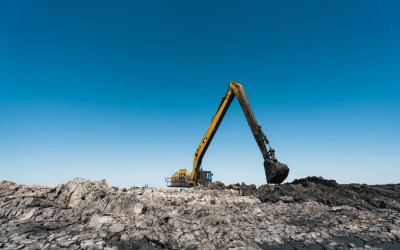
Amphibious excavators, also known as floating or aquatic excavators, are specialized machines engineered to operate efficiently in wetlands, marshes, and shallow water where conventional excavators cannot function. These machines are mounted on sealed, buoyant pontoons that distribute weight evenly, preventing sinking into soft, unstable ground. Wide tracks or hydraulic spuds provide additional stability and mobility across muddy terrain.
A powerful hydraulic system drives the boom, arm, and bucket, enabling dredging, vegetation removal, and sediment excavation with precision. Many models feature 360-degree rotation and long-reach arms for extended working range. Advanced versions from Wilco Manufacturing incorporate GPS positioning and modular attachments, making them highly versatile for environmental restoration, flood control, and shoreline maintenance projects.
What Is an Amphibious Excavator?
An amphibious excavator is a type of excavator specifically engineered to work on soft, waterlogged, or marshy terrain. It combines the versatility of a traditional excavator with modifications that allow it to float or operate in shallow water.
Unlike standard excavators, which rely on tracks or wheels for stability on firm ground, amphibious excavators use pontoons or floatation devices. This enables them to remain stable on soft mud or water surfaces, making them indispensable in wetland construction, dredging, and environmental restoration projects.
Key Components of an Amphibious Excavator
Understanding how an amphibious excavator works requires a closer look at its specialized components:
1. Pontoons (Floating Tracks)
The pontoons, also referred to as flotation pontoons, are the primary feature that allows an amphibious digger, including a mini amphibious excavator, to operate on soft terrain or shallow water. Typically made of high-strength steel, these pontoons distribute the machine’s weight across a larger surface area, preventing it from sinking and ensuring stability during wetland or shallow water operations.
2. Hydraulic System
Hydraulics control the boom, arm, and bucket movements of the excavator. In amphibious models, the hydraulic system is often reinforced and sealed to withstand submersion or operating in wet environments.
3. Track System
Unlike standard excavators with rigid tracks, the tracks on an amphibious excavator are designed to work in soft mud. The tracks extend across the pontoons and help propel the machine forward while maintaining flotation.
4. Engine and Powertrain
Amphibious excavators are equipped with engines capable of operating under high torque conditions, essential for pushing through marshy soils. Many models also feature low-emission engines suitable for environmentally sensitive areas.
5. Boom, Arm, and Bucket
The excavator’s working arm components are similar to conventional machines but are often reinforced to handle the resistance of wetland materials. Buckets may be specialized for dredging, sludge removal, or cutting through dense aquatic vegetation.
How Does an Amphibious Excavator Work?
The operation of a floating excavator in wetlands or shallow water involves several coordinated mechanisms:
- Flotation: The pontoons distribute the excavator’s weight across soft terrain or shallow water, preventing it from sinking.
- Propulsion: Tracks within the pontoons move the excavator forward, backward, or sideways. Some models can pivot in place, providing maneuverability in confined wetland areas.
- Excavation: The hydraulic system moves the boom, arm, and bucket to dredge soil, remove vegetation, or perform other excavation tasks.
- Stability Maintenance: The wide pontoon base and low center of gravity ensure the machine remains balanced even in uneven or saturated terrain.
Environmental Adaptation: Specialized attachments, such as long-reach booms or dredging buckets, allow the excavator to perform in various water depths and soil conditions without damaging the ecosystem.
Applications of Amphibious Excavators
Amphibious excavators are used in multiple sectors where wetland access is required. Common applications include:
Wetland Restoration and Conservation
Restoring wetlands often involves removing invasive plant species, sediment, or debris while minimizing disturbance to delicate ecosystems. Amphibious diggers provide precision and reach in these sensitive areas.
Dredging and Waterway Maintenance
Floating excavators are used to dredge rivers, canals, and shallow lakes. They remove sediment build-up, clear debris, and maintain navigable waterways.
Flood Control and Embankment Projects
Amphibious excavators are effective in building or reinforcing levees and embankments in flood-prone areas. Their ability to work in soft soil allows for early intervention before floods worsen.
Oil, Gas, and Mining Projects
Some oil and mining projects require excavation in marshlands or riverbanks. Amphibious excavators allow access without constructing temporary roads or causing extensive environmental disruption.
Advantages of Using Amphibious Excavators
| Advantage | Description |
| Terrain Accessibility | Can operate on soft soil, mud, and shallow water where conventional excavators cannot. |
| Environmental Safety | Reduced ground disturbance minimizes ecological impact in wetlands. |
| Versatility | Compatible with various attachments for dredging, cutting, or vegetation removal. |
| Operational Efficiency | Capable of continuous work in difficult terrain, reducing project timelines. |
| Stability | Wide pontoon base ensures stability on uneven surfaces. |
Limitations to Consider
While amphibious excavators provide significant advantages, they also have limitations:
- Lower Speed: Movement is slower than standard excavators due to the flotation system.
- Weight Restrictions: Pontoons limit the maximum load capacity compared to land-based excavators.
- Maintenance Requirements: Operating in water increases the risk of corrosion and requires regular maintenance.
- Environmental Restrictions: Special care must be taken to prevent contamination or damage to sensitive habitats.
Operating Techniques for Wetland Excavation
For optimal use of a marsh excavator, operators must adopt specialized techniques: maintaining low ground pressure, using slow and controlled movements, and carefully planning travel paths to prevent disturbance, ensuring stability, safety, and minimal environmental impact.
Positioning
Proper positioning of the amphibious excavator ensures stability and reduces the risk of tipping. Operators should position the machine perpendicular to soft slopes for maximum support.
Controlled Excavation
The hydraulic system should be used gradually, avoiding abrupt movements that could destabilize the excavator. Slow, consistent digging minimizes sediment disruption in wetlands.
Attachment Selection
Selecting the right bucket or attachment is crucial. For example, a dredging bucket is ideal for sediment removal, while a cutting bucket works best for dense vegetation.
Regular Inspection
Operators must check for signs of water ingress, corrosion, or hydraulic leaks after each shift. Maintaining the pontoons and track system ensures long-term reliability.
Common Types of Amphibious Excavators
Common types of amphibious excavators include pontoon-based units, long-reach excavators, and modular designs, each suited for dredging, vegetation removal, or deep-water tasks, offering flexibility across diverse wetland and shallow water environments.
- Floating Excavator: Optimized for water flotation, commonly used in lakes, rivers, and marshes.
- Aquatic Excavator: Specialized for underwater operations, including vegetation removal and dredging.
- Marsh Excavator: Designed for soft, muddy terrains in wetlands and floodplains.
- Amphibious Digger: General-purpose model capable of handling mixed terrain and shallow water.
Conclusion
Understanding how an amphibious excavator works in wetlands and shallow water reveals why this specialized equipment is essential for projects in challenging terrains. Its combination of flotation pontoons, reinforced hydraulics, and versatile attachments enables precise, safe, and efficient excavation. Whether restoring marshlands, dredging rivers, or maintaining flood control structures, amphibious excavators provide the reliability and adaptability that conventional machines cannot match.
By selecting the appropriate machine type, attachment, and operating techniques, operators can maximize productivity while minimizing environmental impact. With continued innovations in design and technology, amphibious excavators will remain a critical tool for wetland and shallow water excavation projects. For more information, expert guidance, or customized solutions, contact us today to discuss your project requirements and discover the right amphibious equipment for your needs.
Frequently Asked Questions
How does an amphibious excavator differ from a conventional excavator?
An amphibious excavator is designed with pontoons and reinforced tracks, allowing it to operate in waterlogged, soft, or marshy terrain, unlike conventional excavators that require firm ground.
Can amphibious excavators float on water?
Yes, with proper flotation pontoons, these excavators can operate in shallow water and soft mud without sinking, which is why they are also called floating excavators.
What attachments are used for wetland excavation?
Common attachments include dredging buckets, cutting buckets, and long-reach arms, allowing efficient removal of sediment, vegetation, and debris.
Are amphibious excavators environmentally safe?
When used correctly, they minimize disturbance to wetlands by spreading weight over a large area and using precise excavation techniques.
What maintenance is required for aquatic excavators?
Regular checks for hydraulic leaks, corrosion, pontoon integrity, and track performance are necessary to maintain operational efficiency.