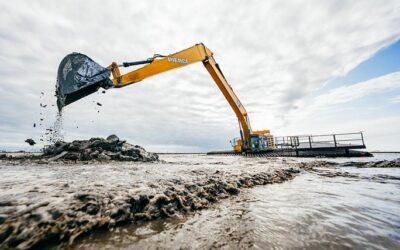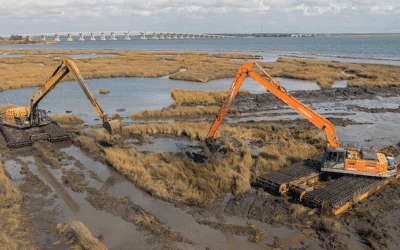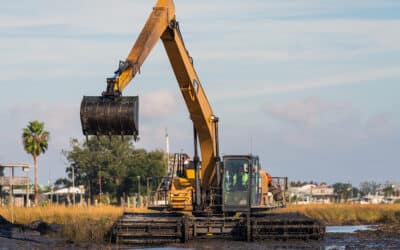
Choosing the right amphibious undercarriage for your excavator is crucial to maximizing performance and minimizing downtime in wet, marshy, or unstable environments. The ideal undercarriage should match the excavator’s weight, operational depth, and intended application—whether for dredging, land reclamation, or environmental restoration.
Brands like Wilco Manufacturing are renowned for producing high-quality amphibious undercarriages designed for durability, stability, and performance in extreme conditions. Factors such as track width, pontoon material, and corrosion resistance play a vital role in ensuring long-term reliability. Additionally, compatibility with auxiliary attachments like hydraulic spuds or side pontoons can enhance versatility and stability.
By evaluating manufacturer support, ease of maintenance, and spare parts availability, you can select a Wilco Manufacturing undercarriage that ensures superior traction, balance, and operational efficiency across varying terrains and water depths.
Understanding Amphibious Undercarriages
Amphibious undercarriages, sometimes called swamp undercarriages or hydraulic undercarriages, allow excavators to work on soft ground, wetlands, and shallow water areas. Unlike traditional undercarriages, these systems distribute weight over a wider area, minimizing sinking and maintaining operational efficiency.
Key Components
- Amphibious Tracks – Wide tracks that spread weight across a larger surface area to reduce ground pressure.
- Hydraulic Pontoons – Provide buoyancy and enable limited water navigation.
- Suspension System – Maintains balance on uneven terrain.
- Track Drive Motors – Ensure controlled movement and traction on soft surfaces.
Factors to Consider When Choosing an Amphibious Undercarriage
When choosing an amphibious undercarriage, several critical factors must be considered to ensure optimal performance and longevity. First, assess the terrain and soil conditions where the machine will operate, as soft or marshy areas require wider tracks for better flotation. Evaluate the machine’s load capacity and compatibility with the undercarriage. Durability and material quality are essential for withstanding harsh environments.
Additionally, consider maintenance ease, availability of spare parts, and overall cost-effectiveness to achieve reliable, long-term operation in challenging conditions. The Marsh Runner series exemplifies these qualities, offering superior stability and performance for excavator operations in swampy and waterlogged terrains.
Selecting the correct undercarriage depends on evaluating several critical factors. Using the right model enhances safety, efficiency, and equipment longevity.
Load Capacity
Load capacity indicates the maximum weight an amphibious undercarriage can support, including the excavator and any attachments. Insufficient load capacity can cause track sinking or damage to the machine.
Ground Pressure
Ground pressure determines how the excavator’s weight is distributed. Low ground pressure prevents sinking in soft soil or marshes and improves stability.
Terrain Type
Different undercarriage models are designed for specific terrains:
- Swamps and marshes – Require wide, low-pressure tracks.
- Shallow water bodies – Require pontoons for buoyancy.
- Soft soil or clay – Need enhanced suspension and hydraulic traction.
Maintenance Requirements
Routine maintenance is essential for performance and durability. Consider:
- Ease of track replacement
- Hydraulic system serviceability
- Lubrication schedules
Best Amphibious Undercarriage Specs to Look For
When selecting the best amphibious undercarriage, focus on specifications such as high load-bearing capacity, low ground pressure, durable pontoons, corrosion-resistant materials, and adjustable track widths. These features ensure superior stability, performance, and longevity in demanding wetland and marsh environments.
When determining which amphibious undercarriage to choose, certain specifications are critical:
- Track width: Wider tracks reduce ground pressure.
- Pontoons size and buoyancy: Important for waterlogged areas.
- Hydraulic efficiency: Affects speed and maneuverability.
- Compatibility: Ensure the undercarriage fits your excavator without extensive modification.
How Terrain Influences Undercarriage Selection
The type of terrain significantly impacts the choice of undercarriage, as it determines traction, stability, and durability. Soft, swampy areas require wider tracks for better flotation, while rocky or uneven terrains need reinforced components to prevent wear and ensure smooth, efficient operation.
Shallow Water Excavation
Undercarriages with larger pontoons provide buoyancy, allowing operation in shallow water without tipping.
Maintenance Best Practices
Regular maintenance of an amphibious undercarriage ensures optimal performance and longevity. Operators should routinely inspect pontoons, tracks, and bearings for wear or damage, lubricate moving parts, and clean debris after use. Consistent maintenance prevents costly repairs and enhances reliability in demanding environments.
Proper maintenance enhances longevity and performance:
- Regular Inspection: Examine track tension, hydraulic lines, and pontoons for damage.
- Lubrication: Grease pivot points and rollers per manufacturer guidelines.
- Cleaning: Remove mud, vegetation, and debris to avoid track damage.
- Hydraulic Fluid Checks: Maintain optimal fluid levels for hydraulic systems.
- Replacement Schedule: Replace worn tracks or damaged pontoons promptly.
Advantages of Using an Amphibious Undercarriage
An amphibious undercarriage allows heavy machinery to operate on swamps, wetlands, and shallow water with stability and reduced ground pressure. It improves accessibility, boosts productivity, and minimizes environmental disturbance on sensitive surfaces.
- Improved mobility in soft or waterlogged areas
- Reduced risk of sinking or tipping
- Enhanced operational safety
- Minimized ground damage, crucial in sensitive environments
Conclusion
Choosing the right amphibious undercarriage for excavator operations is essential for efficiency and safety in marsh, swamp, and waterlogged terrains. Evaluating load capacity, ground pressure, terrain type, and maintenance requirements allows engineers and project managers to make informed decisions. Comparing models, understanding terrain influence, and following proper maintenance practices ensures long-term performance and reduces operational risk.
By selecting the correct undercarriage, projects can maintain productivity, safety, and environmental compliance, making amphibious undercarriages a critical component for excavator operations in challenging terrains. Contact us today to learn more about our range of amphibious undercarriages and find the perfect fit for your project needs.
Frequently Asked Questions
What is the difference between a hydraulic undercarriage and a standard undercarriage?
A hydraulic undercarriage uses motors to drive tracks and support flotation, suitable for soft or waterlogged terrain. Standard undercarriages are optimized for firm ground.
How do I know which amphibious undercarriage to choose?
Consider load capacity, ground pressure, terrain type, and maintenance requirements. Compare manufacturer specifications to project needs.
Can amphibious undercarriages be used in deep water?
They are designed for shallow water and swampy areas. Deep water use is limited by pontoon buoyancy and hydraulic power.
How often should maintenance be performed?
Routine inspections should be weekly, with comprehensive maintenance every 500 operational hours or per manufacturer guidelines.
Are amphibious undercarriages compatible with all excavators?
Not all models fit every excavator. Compatibility must be verified to ensure proper installation and safe operation.