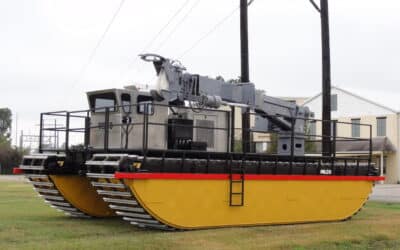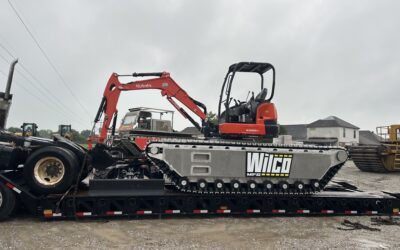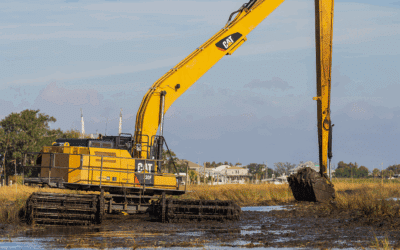
Amphibious undercarriages from Wilco Manufacturing rely heavily on hydraulic systems to deliver mobility, stability, and operational control across wetlands, marshes, and shallow water environments. As the demand for versatile and fuel-efficient amphibious machines grows, engineers and R&D teams at Wilco Manufacturing are developing new hydraulic designs that improve performance, reduce energy losses, and extend equipment lifespan. These innovations are reshaping how original equipment manufacturers approach machine architecture, component selection, and diagnostic strategies.
This technical article examines the latest hydraulic undercarriage innovations from Wilco Manufacturing, including variable displacement systems, advanced sensors, energy recovery solutions, and intelligent control systems. It offers a deep dive into the engineering principles, performance benefits, and practical considerations that guide the next generation of amphibious mobility platforms.
Understanding the Role of Hydraulics in Amphibious Undercarriages
Hydraulic systems remain the core power transmission method for amphibious machines. They provide consistent torque, responsive control and adaptability to changing terrain conditions. An undercarriage designed for amphibious environments must account for fluctuating loads, buoyancy effects and drag forces. Hydraulics offer the precision needed to regulate track motion, steering and ancillary functions.
Traditional hydraulic systems, while reliable, often suffer from energy losses and heat buildup during high-load operations. As a result, engineers have been exploring methods to increase efficiency through improved pump control, smarter valve designs and enhanced system monitoring.
Advancements Shaping the Future of Hydraulic Undercarriages
Emerging hydraulic undercarriage technologies focus on enhanced energy efficiency, adaptive suspension systems, and durable materials, enabling amphibious and heavy machinery to perform reliably in diverse terrains while reducing maintenance costs.
1. Variable Displacement Systems for Better Energy Use
One of the most significant trends in amphibious hydraulic undercarriages innovations is the adoption of variable displacement pumps and motors. Compared to fixed displacement systems, variable displacement components allow hydraulic output to match real-time demand. This reduces energy waste, lowers operating temperatures, and ensures smoother transitions between load conditions.
How Variable Displacement Improves Performance
Variable displacement offers the following advantages:
- Optimized power transfer during both low-speed maneuvering and high-torque operations
- Reduced heat generation, which directly supports longer component life
- Lower fuel consumption due to minimized hydraulic throttling losses
- Improved controllability in complex terrains
For amphibious equipment, the ability to adapt hydraulic output based on water resistance and track engagement makes variable displacement systems a preferred design choice among OEMs and R&D teams.
Energy Recovery Systems and Efficiency Gains
Hydraulic energy recovery is emerging as a practical solution for reducing fuel consumption in amphibious machines. These systems capture unused energy that would otherwise dissipate as heat. The recovered energy can be redirected to assist propulsion, operate auxiliary functions or charge an electrical storage unit.
Key Energy Recovery Methods
- Accumulator-based recovery during deceleration or track reversal
- Regenerative pump control for capturing low-load flow
- Hybrid hydraulic-electric setups for storing and reusing excess power
Energy recovery is especially beneficial for machines operating in environments where resistance changes quickly, such as transitioning between mud, shallow water and solid ground.
Integration of Advanced Sensors and Diagnostics
Modern hydraulic systems rely heavily on data. Sensors integrated into pumps, valves, motors and undercarriage components provide continuous performance monitoring. This data can be used for real-time control adjustments, predictive maintenance and diagnostic reporting.
Types of Sensors Used in New Hydraulic Designs
- Pressure sensors for monitoring load changes
- Flow sensors to detect inefficiencies or blockages
- Temperature sensors that help prevent heat-related failures
- Position sensors for tracking actuator and motor alignment
The integration of sensors supports more accurate diagnostics and reduces downtime by identifying issues early.
Control System Innovations for Amphibious Performance
As hydraulic system complexity increases, control systems have become vital. Engineers now use intelligent controllers that coordinate multiple hydraulic functions simultaneously. These controllers manage pump output, valve timing and motor response to ensure efficient operation.
Functions of Modern Hydraulic Control Systems
- Real-time optimization of power distribution
- Adaptive tuning based on terrain and resistance
- Coordination between propulsion and steering to maintain stability
- Automated safety responses in overload conditions
Control system advancements contribute significantly to improving undercarriage efficiency, particularly in challenging environments where manual control is insufficient.
Diagnostics and Predictive Maintenance
Enhanced diagnostics are a key component of new hydraulic designs for amphibious machines. Machine owners benefit from reduced service costs and increased uptime, while engineering teams gain actionable data for improving future designs.
Diagnostic Approaches
- Sensor-driven monitoring
- Cloud-linked reporting platforms
- Integrated fault detection algorithms
- Historical data analysis for component degradation trends
Predictive maintenance allows technicians to act before a critical failure occurs. For undercarriages that operate in remote or soft-soil environments, this capability is essential for reliable field performance.
Comparing Traditional vs Innovative Hydraulic Designs
The table below highlights how modern hydraulic innovations compare with older systems used in amphibious undercarriages.
| Feature | Traditional Hydraulic Systems | Innovative Hydraulic Designs |
| Pump Type | Fixed displacement | Variable displacement systems |
| Energy Use | Constant power draw | Adjusts output based on demand |
| Heat Management | Higher heat generation | Reduced heat due to optimized flow |
| Diagnostics | Manual inspection | Sensors and automated monitoring |
| Efficiency | Lower overall efficiency | High efficiency through adaptive control |
| Terrain Adaptability | Limited responsiveness | Intelligent adjustments to load and water resistance |
| Maintenance | Reactive maintenance | Predictive and data-driven maintenance |
This comparison clearly illustrates the shift toward intelligent, adaptable and efficient hydraulic architectures.
Engineering Considerations in Modern Undercarriage Development
Designing hydraulic systems for amphibious machines requires attention to both mechanical and environmental factors. Engineers must consider structural loads, buoyancy impact and corrosion challenges inherent in water-based operations.
Load and Environmental Dynamics
Key considerations include:
- Water drag forces that influence hydraulic power requirements
- Soil suction effects in marsh terrain
- Corrosion from constant water exposure
- Temperature fluctuations that affect fluid viscosity
These conditions demand hydraulic components that can sustain continuous stress without compromising precision.
The Impact of Control Algorithms and Software Development
Software plays a central role in modern hydraulic undercarriage innovations. Control algorithms enable coordinated machine movement, power optimization and system safety. Software tuning can also allow OEM partners to customize machine behavior for specific environments or applications.
Software-Driven Improvements
- Dynamic pump control curves
- Custom response modes for varying terrains
- Efficiency-focused power allocation
- Assisted steering and stability features
Software-based enhancements will continue to shape the next generation of amphibious hydraulic systems.
Future Directions for Hydraulic Undercarriage Technology
The trajectory of innovation suggests growing emphasis on hybrid systems, digital control integration and energy efficiency. Development teams are exploring ways to combine hydraulic power with electric components for improved performance and reduced emissions.
Emerging Trends
- Smart hydraulic modules with onboard processors
- Integration with telematics systems
- Use of eco-friendly hydraulic fluids
- Lightweight materials for reduced load
These advancements align with global engineering efforts toward sustainability and operational efficiency.
Conclusion
Hydraulic system innovations are transforming the capabilities of amphibious undercarriages, making machines more efficient, reliable, and adaptable to challenging environments. From variable displacement systems and energy recovery solutions to advanced sensors, intelligent control systems, and predictive maintenance tools, these technological advancements enable precise operation, lower fuel consumption, and longer equipment lifespan. As engineers continue to integrate software-driven controls, hybrid solutions, and eco-friendly components, the future of amphibious machinery promises even greater performance, sustainability, and operational versatility. Contact us today to learn how our solutions can enhance your amphibious equipment performance.
Frequently Asked Questions
What are the main benefits of variable displacement systems?
They adapt hydraulic output to real-time demand, improving fuel efficiency, lowering heat generation and delivering smoother control across varying terrain conditions.
How do sensors improve hydraulic undercarriage performance?
Sensors provide ongoing measurement of pressure, flow, temperature and component positioning, enabling accurate diagnostics and optimized system control.
Why is energy recovery important in amphibious machines?
Energy recovery reduces fuel consumption and repurposes otherwise wasted power, improving operational efficiency during complex or variable-load tasks.
What role do control systems play in modern hydraulic designs?
Control systems manage pump output, valve behavior and motor coordination to maximize efficiency, stability and responsiveness.
Are predictive maintenance tools necessary for amphibious undercarriages?
Yes. Predictive maintenance helps prevent failures, reduces downtime and ensures reliable performance in remote or harsh environments.