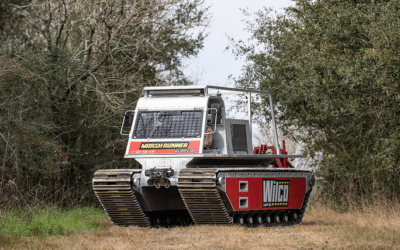
A Mini Amphibious Excavator is becoming an important option for projects that require equipment capable of working in soft, wet, and unstable environments. A Mini Amphibious Excavator is designed to provide better access and stability where traditional construction equipment may struggle. For small wetland restoration projects, pond maintenance, and environmental improvement tasks, this type of equipment can offer practical solutions while reducing disturbance to sensitive areas.
Wetland and pond restoration projects often involve difficult working conditions, including muddy terrain, shallow water, floating vegetation, and uneven ground. Choosing the right equipment is essential for completing tasks safely and efficiently. Standard excavators may face challenges when operating in these conditions because they are not designed for unstable surfaces.
An amphibious excavator provides specialized features that allow operators to complete excavation, dredging, vegetation management, and restoration work in areas where conventional machinery has limited access. Businesses and environmental teams can explore equipment solutions from Wilco Manufacturingto understand how specialized machinery supports challenging terrain projects.
Understanding Mini Amphibious Excavators
A mini amphibious excavator is a smaller version of amphibious machinery designed specifically for wet and unstable environments. It combines excavation capabilities with floating and low-ground-pressure features, allowing it to operate in areas such as wetlands, marshes, ponds, and shallow water zones.
Unlike traditional excavators that rely on tracks or wheels designed for solid ground, amphibious models use pontoons or floating structures to improve stability. These features allow the machine to move across soft surfaces without becoming stuck or causing significant ground damage.
A mini amphibious excavator can be used for:
• Pond restoration
• Wetland maintenance
• Sediment removal
• Vegetation control
• Environmental construction projects
• Waterway improvement work
Its compact size makes it suitable for smaller projects where larger equipment may not be practical.
Why Small Wetland Projects Require Specialized Equipment
Wetland restoration requires careful planning because these environments support important ecosystems. Heavy equipment that is not designed for wetlands can create unnecessary disturbance, damage vegetation, and become difficult to operate in soft ground.
Small restoration projects often involve tasks such as removing unwanted plant growth, improving water flow, removing accumulated sediment, and reshaping pond areas. A machine designed for these conditions can improve efficiency while allowing operators to work more effectively.
A mini amphibious excavator provides advantages because it can:
• Access areas with limited entry points
• Operate on soft or muddy surfaces
• Reduce pressure on sensitive ground
• Work in shallow water conditions
• Support precise excavation tasks
These capabilities make it a useful choice for environmental projects where accessibility and control are important.
How Amphibious Mini Excavators Differ From Traditional Excavators
Traditional excavators are designed for construction sites with stable surfaces such as roads, foundations, and prepared work areas. While they are powerful and versatile, they may not perform well in wetlands or areas with unstable soil conditions.
An amphibious mini excavator is built differently. It includes features that improve flotation and stability, allowing it to perform excavation work in challenging locations.
Key differences include:
Improved Stability
The floating design helps distribute machine weight across a larger surface area. This reduces the risk of sinking and improves operator control.
Better Access
Wetland areas often have limited access points. A smaller amphibious machine can reach areas that may not be accessible for larger equipment.
Reduced Environmental Impact
Restoration projects often aim to protect natural areas. Equipment designed for wetlands can help minimize unnecessary ground disturbance.
Applications of Mini Amphibious Excavators in Pond Restoration
Pond restoration projects often require equipment that can handle both water and land conditions. A mini amphibious excavator can support several restoration activities.
Sediment Removal
Over time, ponds can collect sediment that affects water quality and reduces available depth. Amphibious equipment can help remove accumulated materials while operating near or within water areas.
Vegetation Management
Excessive aquatic vegetation can affect pond health. Specialized equipment can help manage unwanted plant growth while allowing operators to reach difficult areas.
Shoreline Improvement
Restoring pond edges and improving shoreline stability often requires careful excavation. A floating mini excavator can provide controlled operation in areas where traditional machinery may not be suitable.
Drainage and Water Flow Improvements
Wetland and pond projects may require adjustments to improve water movement. Specialized excavators can assist with creating channels and improving drainage systems.
Benefits of Using a Floating Mini Excavator
A floating mini excavator provides several advantages for projects involving water-based environments. Its design allows it to perform tasks while maintaining stability on soft ground and shallow water.
Some important benefits include:
Increased Mobility
The floating structure allows the equipment to move through areas that may be difficult for standard machinery to access.
Better Weight Distribution
By spreading the machine’s weight across floating components, the equipment can operate on softer surfaces with improved stability.
Versatile Operation
A floating excavator can perform multiple tasks, including digging, lifting, dredging, and material handling.
Suitable for Smaller Projects
Large amphibious equipment may not always be necessary for smaller restoration projects. A mini model can provide the required capabilities while being better suited for limited work areas.
Choosing the Right Equipment for Wetland Restoration
Selecting the appropriate equipment depends on several factors, including project size, terrain conditions, water depth, and required tasks.
Before choosing machinery, project managers should consider:
• Site accessibility
• Soil conditions
• Water levels
• Required attachments
• Project timeline
Understanding these factors helps ensure that equipment matches the specific needs of the project.
Specialized marsh equipment can help address challenges associated with soft terrain and wet environments by providing equipment designed for these demanding conditions.
The Role of Aquatic Excavators in Environmental Projects
An aquatic excavator is designed to work in environments where water and land conditions overlap. These machines are commonly used for environmental restoration, dredging, and maintenance projects.
Aquatic excavators help operators complete tasks without relying on temporary access roads or extensive site preparation. This can be especially valuable in environmentally sensitive areas where minimizing disruption is important.
Projects that may benefit from aquatic excavator technology include:
• Wetland restoration
• River maintenance
• Pond cleanup
• Habitat improvement
• Flood control projects
The ability to operate in water-based environments makes these machines valuable tools for specialized applications.
When Is a Mini Amphibious Excavator the Right Choice?
A mini amphibious excavator may be the right choice when a project involves limited access, soft terrain, or shallow water conditions. It is especially useful for smaller restoration projects where precision and mobility are more important than maximum digging capacity.
However, equipment selection should always depend on project requirements. Larger projects with deeper water or heavier excavation needs may require different machinery solutions.
Consulting with equipment specialists can help determine whether a mini amphibious excavator matches the project’s goals and site conditions.
Supporting Complex Wetland Projects With Specialized Machinery
Wetland restoration requires equipment that can balance performance with environmental considerations. Specialized machinery helps operators complete necessary tasks while adapting to challenging conditions.
For projects requiring additional lifting or excavation capabilities, equipment such as a wetlands digger crane may provide support for more complex applications.
Choosing equipment based on terrain, project requirements, and environmental needs helps improve overall project efficiency.
Conclusion
A Mini Amphibious Excavator can be a valuable choice for small wetland and pond restoration projects because of its ability to operate in soft terrain, shallow water, and difficult access areas. Its specialized design allows operators to complete excavation, maintenance, and restoration tasks more effectively compared to traditional equipment.
From sediment removal to vegetation management, these machines provide flexibility for projects where stability and accessibility are important. Understanding project requirements and selecting suitable equipment can help ensure successful restoration outcomes.
Organizations looking for specialized equipment options or additional project information can visit the Contact Us page to discuss their requirements.
Frequently Asked Questions
What is a mini amphibious excavator used for?
A mini amphibious excavator is used for projects involving wet and unstable environments, including pond restoration, wetland maintenance, dredging, and vegetation management.
How is an amphibious mini excavator different from a standard excavator?
An amphibious mini excavator is designed with floating components and improved stability features that allow it to operate in soft ground and shallow water areas.
Can a floating mini excavator work in deep water?
Floating mini excavators are generally designed for shallow water and soft terrain applications. The appropriate equipment depends on project conditions and water depth requirements.
What projects require an aquatic excavator?
Aquatic excavators are commonly used for wetland restoration, pond maintenance, waterway improvements, dredging, and environmental construction projects.
How do I choose the right equipment for a wetland project?
Equipment selection depends on factors such as terrain conditions, project size, water depth, accessibility, and the specific tasks required. Consulting with equipment professionals can help identify suitable options.