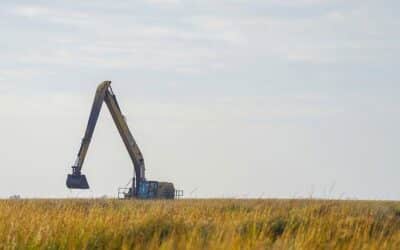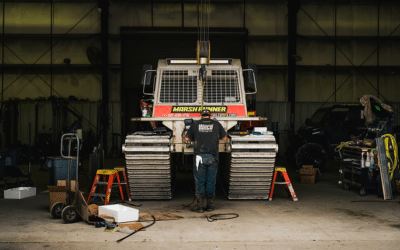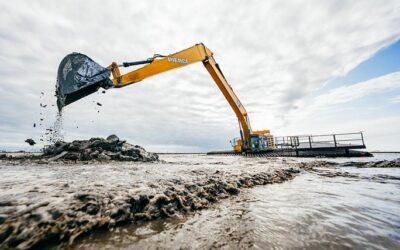
Effective project planning is essential when working with amphibious fleets used in wetlands, marshes, shallow waterways, and other sensitive environments. These projects often support infrastructure development, environmental restoration, pipeline installation, and access to remote terrain. Because amphibious equipment operates under unique conditions, planning requires a structured approach to budgeting, logistics, compliance, and operational readiness.
Manufacturers such as Wilco Manufacturing, known for designing and supporting amphibious and low-ground-pressure equipment, play an important role in helping contractors plan reliable fleet operations. Understanding equipment capabilities, transport requirements, and long-term operating costs is critical when selecting amphibious solutions for complex environments.
This article provides a detailed and practical guide to planning an amphibious fleet project. It focuses on budgeting considerations, deployment logistics, transport, crew training, permitting, and ongoing operational costs.
Understanding Amphibious Fleet Project Planning
Amphibious fleet project planning involves coordinating equipment, people, and processes to achieve project objectives in environments where traditional vehicles cannot operate effectively. Fleet planning for amphibious equipment requires a balance between technical capability, environmental impact, and cost control.
Unlike standard construction fleets, amphibious units such as marsh buggies or amphibious excavators require specialized transport, trained operators, and permits tailored to environmental regulations. Early planning reduces downtime and ensures that the equipment performs as expected throughout the project lifecycle.
Common Applications of Amphibious Fleets
Amphibious fleets are commonly used in:
- Wetland restoration and mitigation projects
- Pipeline and utility installation across marshes
- Dredging and shoreline stabilization
- Flood control and water management infrastructure
- Environmental surveys and maintenance work
Each application places different demands on fleet configuration, budgeting, and deployment timelines.
Budgeting an Amphibious Fleet Project
Creating a realistic budget for an amphibious fleet project requires a comprehensive understanding of both direct and indirect costs, including equipment acquisition, transport, permitting, and maintenance.
Budgeting should begin early and be revisited throughout the planning phase to reflect scope changes and regulatory requirements. Working closely with a reliable amphibious excavator supplier can also help improve cost accuracy, ensure equipment availability, and reduce unexpected operational expenses.
Key Cost Categories
A well structured amphibious fleet budget typically includes the following categories:
| Cost Category | Description | Planning Considerations |
| Equipment acquisition | Purchase or rental of amphibious units | Evaluate duration, availability, and maintenance responsibility |
| Transport and mobilization | Moving equipment to and from site | Route access, permits, and load limits |
| Crew and labor | Operators, support staff, and supervisors | Certification, experience, and shift planning |
| Training | Equipment specific and safety training | Time, cost, and compliance requirements |
| Permits and compliance | Environmental and operational approvals | Lead times and jurisdictional rules |
| Fuel and maintenance | Ongoing operational expenses | Usage rates and service intervals |
| Contingency | Allowance for unforeseen issues | Typically 10 to 20 percent of total budget |
Each category should be itemized to avoid underestimating total project costs.
Equipment Acquisition Strategy
Deciding whether to purchase or rent amphibious equipment is a major budget decision. Short term projects may benefit from rentals, while long term or recurring projects may justify ownership. Fleet planning amphibious equipment should consider availability in the region, compatibility with attachments, and service support.
Contingency Planning
Environmental conditions can change rapidly in wetland and marsh areas. Weather delays, access restrictions, or equipment downtime can increase costs. Including a contingency line in the budget provides flexibility without disrupting the entire project plan.
Fleet Planning for Amphibious Equipment
Fleet planning amphibious equipment involves selecting the right mix of machines and support assets to meet project requirements. Overestimating fleet size increases costs, while underestimating capacity leads to delays.
Matching Equipment to Project Scope
Key factors to consider include:
- Ground bearing pressure requirements
- Payload and lifting capacity
- Attachment compatibility
- Operating depth and water conditions
- Environmental sensitivity of the site
Accurate site assessments and geotechnical data support informed equipment selection.
Standardization and Compatibility
Using standardized equipment models and attachments simplifies training, maintenance, and spare parts management. This approach reduces complexity and improves reliability during deployment.
Deployment Logistics and Transport Planning
Deployment logistics are often one of the most complex aspects of an amphibious fleet project. Transporting oversized and specialized equipment to remote or environmentally sensitive sites requires careful coordination.
Transport Route Assessment
Before mobilization, planners should evaluate:
- Road weight limits and bridge capacities
- Loading and unloading areas
- Seasonal access restrictions
- Local traffic regulations
Transport planning should also include contingency routes in case primary access points become unavailable.
Staging and Assembly
Some amphibious units require partial disassembly for transport. Identifying staging areas near the project site reduces transport time and cost. These areas should have adequate space, ground stability, and access permissions.
How to Deploy Marsh Buggies: Project Plan Essentials
A deploy marsh buggies project plan must address both technical and environmental considerations. Marsh buggies are often used in soft ground where minimal disturbance is critical.
Site Preparation
Before deployment, planners should confirm:
- Entry and exit points
- Water depth and sediment conditions
- Protected areas or restricted zones
Clear communication with environmental consultants helps ensure compliance.
Operational Sequencing
Marsh buggy deployment should follow a defined sequence to avoid congestion and inefficiency. This includes scheduling work zones, refueling points, and maintenance windows.
Crew Training and Workforce Planning
Skilled operators are essential for safe and efficient amphibious operations. Crew training should be integrated into the overall project plan rather than treated as an afterthought.
Training Requirements
Training typically includes:
- Equipment specific operation
- Environmental protection procedures
- Emergency response and recovery
- Daily inspection and maintenance tasks
Documentation of training supports compliance and risk management.
Workforce Scheduling
Remote projects often require extended shifts or rotational schedules. Workforce planning should account for fatigue management, accommodation logistics, and local labor regulations.
Permits and Regulatory Compliance
Permitting is a critical path item in many amphibious projects. Delays in approvals can halt deployment and increase costs.
Common Permit Types
Depending on location and scope, permits may include:
- Environmental impact approvals
- Wetland access permits
- Transport and oversize load permits
- Waterway use authorizations
Early engagement with regulatory agencies reduces uncertainty and helps align project timelines.
Monitoring and Reporting
Some permits require ongoing monitoring and reporting during operations. Project planners should allocate resources for data collection and documentation.
Managing Operational Costs During Deployment
Once the fleet is deployed, controlling operational costs becomes a priority. Real time tracking and proactive maintenance help maintain budget discipline.
Fuel and Maintenance Management
Fuel usage can vary significantly based on terrain and operating conditions. Monitoring consumption trends helps identify inefficiencies. Preventive maintenance reduces unplanned downtime and repair expenses.
Performance Tracking
Tracking productivity metrics such as hours worked, output achieved, and downtime reasons provides insight into fleet performance. These metrics support informed adjustments to the project plan.
Risk Management in Amphibious Fleet Projects
Risk management is integral to successful amphibious fleet planning. Environmental, technical, and logistical risks should be identified and mitigated early.
Common Risks
- Equipment immobilization due to soft ground
- Weather related access restrictions
- Regulatory non compliance
- Operator availability issues
Developing response plans for these risks improves resilience.
Communication and Coordination
Clear communication between planners, field teams, and stakeholders ensures that emerging issues are addressed quickly and consistently.
Amphibious Fleet Project Planning Checklist
A structured checklist helps ensure that no critical planning element is overlooked.
Pre Planning
- Define project scope and objectives
- Conduct site and environmental assessments
- Identify regulatory requirements
Budgeting and Fleet Selection
- Develop detailed budget amphibious fleet project plan
- Select appropriate amphibious equipment
- Allocate contingency funds
Logistics and Deployment
- Plan transport routes and staging areas
- Develop deploy marsh buggies project plan
- Schedule mobilization and demobilization
Operations and Compliance
- Confirm crew training and certifications
- Secure all permits and approvals
- Establish monitoring and reporting processes
Closeout
- Demobilize equipment safely
- Review project performance and costs
- Document lessons learned
Conclusion
Project planning for the budgeting and deployment of an amphibious fleet requires a disciplined and informed approach. By addressing budgeting, fleet planning, logistics, training, permits, and operational management in a structured manner, project planners and contractors can reduce risk and improve outcomes.
A comprehensive plan that integrates environmental considerations with practical logistics supports efficient deployment and responsible operations. Using a detailed checklist and continuously monitoring performance helps ensure that amphibious fleet projects remain on schedule, compliant, and within budget. For expert guidance or to discuss your project requirements, contact us to learn how we can support your amphibious fleet planning and deployment needs.
Frequently Asked Questions
What is the most common budgeting mistake in amphibious fleet projects?
The most common mistake is underestimating indirect costs such as transport, permitting delays, and contingency allowances. These costs can significantly impact the overall budget if not planned properly.
How early should permits be addressed in the project plan?
Permits should be addressed during the initial planning phase. Some approvals require long review periods and can delay deployment if not initiated early.
Why is fleet planning amphibious equipment different from standard equipment planning?
Amphibious equipment operates in sensitive and variable environments. This requires specialized machines, trained operators, and stricter compliance measures compared to standard construction equipment.
What factors influence marsh buggy deployment schedules?
Key factors include site access conditions, weather patterns, environmental restrictions, and availability of trained operators. A deploy marsh buggies project plan should account for all of these variables.
How can operational costs be controlled during deployment?
Operational costs can be controlled through preventive maintenance, fuel monitoring, performance tracking, and clear communication between planning and field teams.