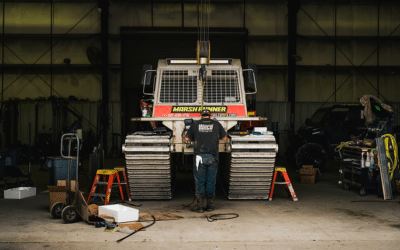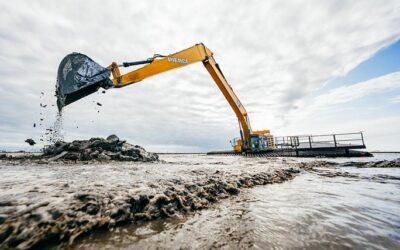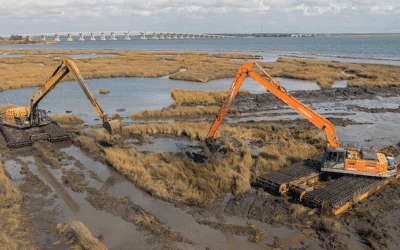
A digger derrick is a versatile utility vehicle designed to drill holes, lift heavy materials, and set poles or foundations in challenging terrain. It typically consists of a truck-mounted boom, an auger for drilling, and a lifting mechanism that allows crews to install utility poles, anchors, and other infrastructure safely and efficiently. In wetland environments where the ground is soft, waterlogged, and environmentally sensitive, digger derricks provide precise control and reduced ground disturbance compared to larger construction machinery.
Utility crews rely on these machines to install power lines, communication poles, and structural supports while minimizing impact on fragile ecosystems. The auger drills stable holes even in saturated soil, while the boom enables workers to position materials accurately from a safe distance. Modern equipment from Wilco Manufacturing is engineered with durability and adaptability in mind, making it well suited for wetland utility work where reliability and environmental care are critical.
Additionally, digger derricks can be equipped with specialized attachments and stabilization systems to operate safely on uneven or muddy surfaces. Their multifunctional design reduces the need for multiple machines, which helps limit vehicle traffic and soil compaction in protected areas. By combining drilling, lifting, and positioning capabilities in a single unit, digger derricks support efficient project execution while helping utility providers meet environmental regulations and sustainability goals in wetland regions.
Understanding the Digger Derrick
A digger derrick is a specialized utility truck designed for drilling holes and lifting heavy materials during infrastructure installation. It combines an auger, boom, and winch system to set poles efficiently, even in difficult terrain.
What Is a Digger Derrick?
A digger derrick is a versatile piece of utility equipment commonly used for installing and maintaining poles for power, telecommunications, and other infrastructure. Essentially, it combines two primary functions:
- Drilling – Using an auger, the digger derrick can drill holes into the ground for pole installation.
- Lifting – Equipped with a crane or boom, it can lift and set heavy poles and other materials safely and accurately.
Digger derricks are often mounted on heavy-duty trucks, allowing them to be transported easily to various job sites, including wetlands and other challenging terrains.
Key Components of a Digger Derrick
Understanding the components of a digger derrick helps clarify its versatility:
| Component | Function |
| Auger | Drills holes for pole installation |
| Derrick boom | Lifts and positions poles and equipment |
| Outriggers | Stabilizes the unit, especially on uneven ground |
| Winch | Assists with lifting heavy loads |
| Hydraulic system | Powers lifting and drilling operations |
This combination of drilling and lifting makes digger derricks indispensable for utility work in locations that are difficult to access with standard machinery.
Why Digger Derricks Are Ideal for Wetlands
Digger derricks are well suited for wetlands because they provide precise drilling and lifting while minimizing ground disturbance. Their controlled operation helps utility crews install poles and infrastructure safely in soft, waterlogged terrain.
Challenges of Wetland Utility Work
Wetlands present unique environmental and operational challenges, including:
- Soft, unstable ground that complicates heavy machinery movement
- Sensitive ecosystems requiring careful handling
- Limited access due to water, mud, or vegetation
Traditional construction equipment often struggles in these conditions, which is why specialized solutions like wetlands digger derricks are necessary.
How Digger Derricks Address Wetland Challenges
Digger derricks are well-suited for wetland environments for several reasons:
- Stability – Outriggers provide a stable base even on soft or uneven terrain.
- Precision – The hydraulic boom allows for accurate pole placement without excessive movement or disturbance.
- Efficiency – Combining drilling and lifting in a single machine reduces the need for multiple pieces of equipment.
- Reduced Environmental Impact – Less soil disruption and shorter operation time minimize impact on wetland ecosystems.
By using digger derricks, utility companies can safely and efficiently perform essential work in wetlands without causing unnecessary damage to the environment.
Types of Digger Derricks
While all digger derricks share core functions, there are variations designed to meet specific utility needs:
Standard Digger Derricks
- Primarily used for residential and urban utility installations
- Suitable for firm ground conditions
- Often smaller and more maneuverable
Heavy-Duty Utility Digger Derricks
- Designed for commercial and industrial applications
- Can handle larger poles and heavier loads
- Often equipped with extended reach and higher lifting capacity
Wetland-Specific Digger Derricks
- Optimized for soft and marshy terrain
- Features enhanced stabilization and lightweight chassis options
- Minimizes soil compaction and environmental disruption
Applications of Digger Derricks in Wetlands
Digger derricks are well suited for wetlands because they provide precise drilling and lifting while minimizing ground disturbance. Their controlled operation helps utility crews install poles and infrastructure safely in soft, waterlogged terrain.
Pole Installation
One of the most common uses of digger derricks in wetlands is installing poles for:
- Electrical power lines
- Telecommunications networks
- Street lighting
The ability to drill and lift simultaneously reduces the need for extra machinery, making pole installation faster and more efficient.
Maintenance and Repair
Wetlands often require ongoing maintenance due to flooding, soil shifting, or storm damage. Digger derricks enable crews to:
- Replace damaged poles
- Lift transformers and utility boxes into place
- Perform routine inspections and upgrades
Utility Line Construction
When building new utility lines through wetlands, digger derricks provide the versatility needed to navigate sensitive areas while maintaining safety and environmental standards.
Safety Considerations for Wetland Operations
Working in wetlands comes with inherent risks. Digger derricks, while versatile, must be operated with strict adherence to safety protocols:
- Ground Assessment – Operators must evaluate soil conditions to prevent tipping or sinking.
- Outrigger Placement – Proper extension and leveling are critical for stability.
- Load Limits – Adhering to lifting capacity ensures safe operation.
- Environmental Protection – Avoid unnecessary soil disruption and protect surrounding vegetation.
Training operators to handle digger derricks in wetland conditions ensures both worker safety and environmental preservation.
Benefits of Using Digger Derricks in Wetlands
| Benefit | Explanation |
| Versatility | Combines drilling and lifting in a single machine |
| Efficiency | Reduces need for multiple pieces of equipment |
| Safety | Hydraulic controls and outriggers improve operational safety |
| Environmental Protection | Minimizes soil disturbance and ecosystem impact |
| Accessibility | Capable of navigating soft or uneven terrain |
These benefits explain why digger derricks have become a standard choice for utility projects in challenging wetland environments.
Conclusion
Digger derricks are indispensable tools for utility work in wetlands, offering a combination of drilling, lifting, and maneuverability that traditional equipment cannot match. By understanding what a digger derrick is and how it operates, utility professionals can ensure safer, more efficient, and environmentally responsible projects. Whether installing new poles or performing maintenance, these machines are central to modern wetland utility operations. For more information or to explore our range of digger derricks from Wilco Manufacturing, contact us today to discuss your project needs and equipment options.
Frequently Asked Questions
What is a digger derrick used for?
A digger derrick is used for drilling holes and lifting heavy poles, transformers, and utility materials, particularly in areas with limited accessibility or sensitive terrain.
Can digger derricks operate in wetlands?
Yes. Wetland-specific digger derricks are equipped with enhanced stabilization and lightweight features to safely operate on soft, marshy ground.
How does a digger derrick differ from a digger crane?
While both lift heavy loads, a digger derrick combines lifting with drilling capability, making it ideal for pole installation. A digger crane primarily focuses on lifting and placement without drilling.
What industries use digger derricks?
Utility companies, telecommunications providers, and municipalities commonly use digger derricks for pole installation, maintenance, and utility line construction, especially in challenging terrains.
Are digger derricks environmentally safe?
When used correctly, digger derricks minimize soil disruption and reduce the environmental impact of utility operations, making them suitable for sensitive ecosystems like wetlands.