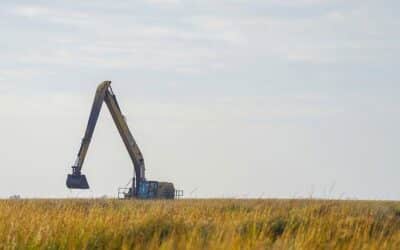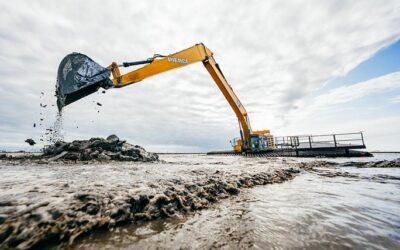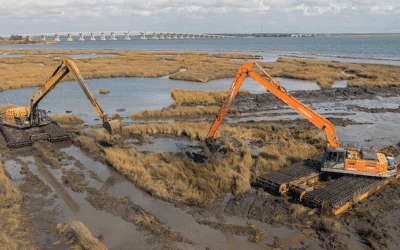
A marsh runner is a specialized amphibious vehicle designed to travel through wetlands, marshes, swamps, and shallow water areas where conventional vehicles cannot operate. Built with wide tracks or low-ground-pressure tires, marsh runners distribute weight evenly, preventing them from sinking into soft, muddy terrain. This makes them ideal for navigating fragile wetland ecosystems while minimizing environmental impact.
In wetland operations, marsh runners are widely used for environmental monitoring, habitat restoration, pipeline inspection, utility maintenance, and wildlife management. Researchers and field crews rely on them to safely reach remote areas for data collection, vegetation management, and conservation projects. They are also valuable in oil and gas, water management, and ecological research, where access to difficult landscapes is essential.
Companies like Wilco Manufacturing produce durable marsh runner vehicles engineered for reliability in extreme wetland conditions. With strong frames, corrosion-resistant materials, and powerful engines, these vehicles help crews transport equipment and personnel efficiently. By enabling safe access without damaging sensitive terrain, marsh runners play a critical role in supporting sustainable wetland operations and long-term environmental stewardship.
What Is a Marsh Runner Vehicle?
A marsh runner vehicle is a specialized utility vehicle designed to navigate challenging wetland terrains where conventional vehicles would struggle. These vehicles are engineered for stability, traction, and durability in soft, muddy, and waterlogged environments.
Unlike traditional off-road vehicles, marsh runners often feature:
- Low ground pressure tires or tracks to prevent sinking
- Water-resistant chassis and components
- Lightweight but robust construction
- High maneuverability in confined or uneven spaces
These features make marsh runners essential equipment for tasks such as environmental management, wildlife monitoring, and wetland construction.
Key Features of Marsh Runner Vehicles
Marsh runner vehicles feature low ground pressure tracks, amphibious capability, corrosion-resistant construction, powerful engines, and high load capacity. These features allow safe movement across soft marsh terrain while protecting delicate wetland ecosystems.
1. Specialized Tires or Tracks
The primary design focus of a marsh vehicle is its ability to distribute weight evenly across soft surfaces. Many marsh runners use paddle tires or tracked systems to prevent sinking while providing sufficient grip in swampy areas.
2. Lightweight Construction
Materials like aluminum and reinforced plastics are used to keep the vehicle light, reducing the risk of getting stuck while maintaining durability.
3. Cargo and Utility Options
Many marsh runners come equipped with racks, winches, and cargo beds, allowing operators to transport tools, equipment, and even personnel efficiently.
4. All-Terrain Capabilities
Marsh runners are not limited to soft ground. They can handle shallow water crossings, mud, and uneven terrain, making them versatile for wetland operations.
Applications of Marsh Runner Vehicles in Wetland Operations
Marsh runner vehicles are used for wildlife monitoring, habitat restoration, pipeline inspection, vegetation control, and water management. Their amphibious design allows crews to safely access remote wetlands and perform maintenance with minimal environmental impact.
1. Environmental Monitoring
Researchers use marsh vehicles to access difficult-to-reach areas for water sampling, soil testing, and wildlife surveys. Their low-impact design ensures minimal disturbance to sensitive ecosystems.
2. Wetland Construction and Maintenance
Marsh runners help transport construction materials, remove debris, and maintain water control structures such as levees, ditches, and boardwalks.
3. Wildlife Management
Conservationists use marsh vehicles to relocate animals, install monitoring equipment, and maintain habitats without damaging fragile vegetation.
4. Emergency and Rescue Operations
In areas prone to flooding or difficult terrain, marsh vehicles serve as reliable transport for emergency responders or evacuation of personnel.
Popular Models and Manufacturers
One notable option in the market is the Wilco Marsh Runner, which is recognized for its reliability and versatility. Other manufacturers offer a variety of marsh equipment, from swamp utility vehicles to amphibious cargo transporters.
| Vehicle Model | Terrain Capabilities | Load Capacity | Notable Features |
| Wilco Marsh Runner | Mud, shallow water, soft marsh | 1,500 lbs | Lightweight, all-terrain, modular cargo options |
| Swamp Utility Vehicle X | Swamp, wetlands | 1,200 lbs | Tracks for low ground pressure, waterproof engine |
| Amphibious Utility Carrier | Wetlands, flooded areas | 2,000 lbs | Amphibious hull, winch, cargo bed |
This table highlights the versatility and specifications of some commonly used marsh vehicles.
Advantages of Using Marsh Runners in Wetland Operations
1. Minimal Environmental Impact
Due to their low ground pressure and lightweight design, marsh runners minimize soil disturbance and protect sensitive wetland habitats.
2. Improved Accessibility
Areas that were once unreachable by traditional vehicles can now be accessed safely and efficiently, allowing better monitoring and maintenance.
3. Versatility in Tasks
From transporting equipment to facilitating research, marsh runners are multipurpose tools that support a range of operations in wetlands.
4. Cost-Effective and Efficient
By reducing the need for specialized transport methods or manual labor in challenging terrains, marsh vehicles save time and operational costs.
Tips for Selecting a Marsh Vehicle
When selecting a marsh runner, consider the following:
- Terrain Type – Determine if the area is primarily muddy, flooded, or a mix of soft and solid surfaces.
- Load Requirements – Choose a vehicle that can carry the weight of personnel, equipment, or materials needed.
- Maintenance and Durability – Check for water-resistant components, ease of maintenance, and reliability.
- Maneuverability – Ensure the vehicle can navigate narrow or irregular spaces common in wetlands.
Conclusion
Marsh runner vehicles have transformed wetland operations by providing safe, efficient, and environmentally friendly access to challenging terrains. Whether it’s for research, wildlife management, or maintenance, these swamp utility vehicles enable organizations and agencies to perform tasks that were previously difficult or impossible.
By understanding the capabilities and applications of a marsh runner, operators can choose the right model to meet their wetland management needs while protecting delicate ecosystems. Contact us today to learn more about our marsh runner models and how we can help support your wetland operations.
Frequently Asked Questions
What is a marsh runner vehicle used for?
A marsh runner is used for transportation, construction, monitoring, and maintenance tasks in wetlands, swamps, and marshy areas where traditional vehicles cannot operate efficiently.
How does a Wilco Marsh Runner differ from other marsh vehicles?
The Wilco Marsh Runner is known for its lightweight construction, modular cargo options, and ability to operate across mud, shallow water, and soft terrain, making it highly versatile.
Can marsh runners operate in deep water?
Most marsh vehicles are designed for shallow water and soft terrain. Fully amphibious models can handle deeper water, but standard marsh runners are not intended for swimming-level depths.
Are marsh runners environmentally safe?
Yes. Their low ground pressure tires or tracks minimize soil compaction and habitat disturbance, making them suitable for sensitive wetland ecosystems.
What maintenance is required for marsh vehicles?
Regular cleaning, inspection for water damage, and lubrication of moving parts are essential to ensure long-term performance and reliability.