Choosing the right Marsh Excavator requires more than comparing machine size or appearance. A Marsh Excavator is designed to operate in soft, wet, unstable, and marshy terrain where conventional construction equipment may struggle. When reviewing a Marsh Excavator for sale, buyers need to inspect its structure, flotation system, tracks, hydraulics, operating capacity, and overall condition.
A Marsh Excavator can be used for wetland restoration, dredging, environmental work, pipeline maintenance, shoreline projects, and other applications where low ground pressure and improved mobility are important. Because operating conditions can vary significantly from one site to another, inspecting a Marsh Excavator before purchase helps determine whether its design matches the actual requirements of the project.
Wilco Manufacturing provides amphibious equipment designed for applications involving marshes, wetlands, soft ground, and challenging terrain.
Start With the Intended Application
The first inspection should focus on how the machine will be used. A Marsh Excavator intended for light vegetation management may have different requirements from one used for dredging or heavy material handling.
Before comparing equipment, identify:
- Type of terrain
- Expected water depth
- Soil and ground conditions
- Required digging depth
- Required working reach
- Material weight
- Expected operating hours
- Required attachments
- Transportation requirements
A machine that performs well in shallow wetlands may not be appropriate for deeper water or demanding excavation work. Understanding the application first makes it easier to compare machines based on useful specifications rather than appearance alone.
Inspect the Flotation System
Flotation is one of the most important areas to inspect on amphibious excavation equipment. The flotation system helps distribute the machine’s weight and supports operation over soft or waterlogged terrain.
Inspect the pontoons for visible damage, corrosion, cracks, deformation, or signs of previous repairs. Check whether the compartments are properly sealed and whether the overall construction is appropriate for the environment where the equipment will operate.
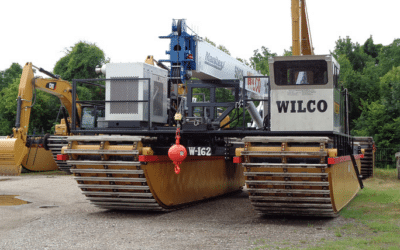
For example, amphibious undercarriages can use sealed pontoon structures with multiple watertight compartments. This type of construction helps provide flotation while allowing the machine to work across difficult terrain.
If you are evaluating a used Marsh Excavator for sale, ask for maintenance and repair records relating to the pontoons. Previous damage or repeated repairs may indicate that the equipment has experienced operating conditions beyond its intended use.
Examine the Track System
The track system directly affects mobility, stability, and ground pressure. Wide tracks can help distribute the machine’s weight across a larger surface area, which is particularly important in soft ground.
Inspect the track chains, rollers, sprockets, track shoes, drive components, and related hardware. Look for excessive wear, damaged components, unusual movement, or uneven wear patterns.
Also ask how the tracks were maintained and whether replacement components are readily available. A track system may appear functional during a brief inspection while still requiring significant maintenance after purchase.
The condition of the track system should therefore be evaluated together with the machine’s operating hours and maintenance history.
Inspect the Excavator’s Upper Structure
The upper excavator structure should also receive a detailed inspection. Check the boom, arm, bucket linkage, swing system, engine compartment, cab, and mounting areas.
Look for:
- Cracks in structural components
- Weld repairs
- Hydraulic leaks
- Excessive wear at pivot points
- Damaged pins and bushings
- Unusual movement
- Engine issues
- Electrical problems
The upper structure should be evaluated together with the amphibious undercarriage. The two systems must work together correctly for safe and effective operation.
Review the Machine’s Capacity
Machine capacity should match the work you expect it to perform. Consider operating weight, lifting capacity, digging depth, reach, hydraulic power, and attachment requirements.
A larger machine is not automatically the better option. An oversized excavator may be difficult to transport or unsuitable for certain wetland areas. A smaller machine may offer better mobility but may not provide sufficient lifting or digging capacity.
Create a list of the tasks the machine must perform and compare those requirements with the manufacturer’s specifications.
This approach is particularly useful when comparing multiple options listed as a marsh excavator for sale.
Inspect Available Attachments
Attachments can significantly influence the usefulness of a Marsh Excavator. Depending on the project, you may require buckets, dredging tools, cutters, rakes, or other specialized equipment.
Inspect existing attachments for structural damage, hydraulic compatibility, excessive wear, and proper operation. If the machine is being sold without the attachment required for your project, determine whether compatible equipment can be sourced.
Attachment compatibility should also be checked against hydraulic flow, pressure, mounting dimensions, and the excavator’s operating capacity.
Consider a Marsh Buggy Excavator for Different Applications
Some projects may benefit from comparing an excavator with other amphibious machines. A marsh buggy excavator for sale may be suitable when the project requires access across soft terrain along with excavation capabilities.
Marsh buggies can also be used for transporting personnel, tools, materials, and equipment in areas where conventional vehicles have difficulty operating. The appropriate machine depends on the balance between excavation requirements, payload needs, mobility, and terrain conditions.
A useful comparison should therefore focus on the work required rather than simply searching for the largest machine available.
Inspect Other Marsh Equipment Options
Not every wetland project requires a full excavator. Some applications may involve vegetation management, personnel transportation, material movement, or other support tasks.
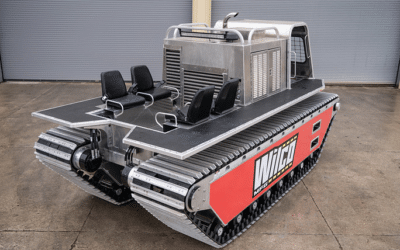
For these situations, buyers may want to inspect specialized marsh equipment such as the Marsh Runner. The Marsh Runner is designed for wet and challenging terrain and can be configured with different attachments and accessories for specific applications.
The right equipment should be selected according to the actual work rather than choosing a machine based only on its general category.
Inspect Corrosion and Structural Protection
Wet and marsh environments can expose equipment to moisture, mud, standing water, and other conditions that accelerate corrosion.
Inspect exposed metal surfaces, fasteners, hydraulic components, undercarriage structures, and connection points. Pay particular attention to areas where water and debris may accumulate.
Corrosion should not be evaluated only by appearance. Ask about the materials used in the construction and whether the machine has been maintained according to the manufacturer’s recommendations.
For used equipment, request information about previous operating environments. A machine used extensively in wet or corrosive conditions may require closer inspection than equipment operated primarily on dry terrain.
Review Maintenance History
Maintenance records can provide important information about the actual condition of a machine. Ask for records showing routine servicing, component replacements, hydraulic repairs, track maintenance, engine service, and previous structural work.
Important questions include:
- How many operating hours does the machine have?
- When was the last major service completed?
- Have the pontoons required repairs?
- Have hydraulic components been replaced?
- How often were the tracks serviced?
- Are replacement parts still available?
- Has the machine been refurbished?
A complete maintenance history can make it easier to identify potential future maintenance requirements.
Final Inspection Before Purchase
Before purchasing a Marsh Excavator, arrange a detailed inspection whenever possible. A qualified technician can evaluate structural condition, hydraulics, engine performance, undercarriage components, flotation systems, and attachment compatibility.
For used equipment, compare the machine’s current condition with its maintenance records and stated operating hours. If there are unexplained repairs, unusual wear patterns, or missing documentation, investigate these issues before proceeding.
For equipment questions or project specific information, you can Contact us to discuss the requirements and determine what type of amphibious equipment may be appropriate.
Frequently Asked Questions
1. What should I inspect first when comparing a Marsh Excavator?
Start by reviewing the intended application, terrain, water depth, machine capacity, flotation system, and ground pressure. These factors help determine whether the excavator is appropriate for the project.
2. Why is the flotation system important?
The flotation system helps distribute machine weight and supports operation on soft or waterlogged terrain. Damaged or poorly maintained pontoons can affect stability and operating performance.
3. What should I check on a used Marsh Excavator?
Inspect the pontoons, tracks, hydraulic system, engine, structural components, attachments, and corrosion protection. Maintenance records and previous repair information should also be reviewed.
4. Is a marsh buggy excavator suitable for every wetland project?
No. Equipment requirements vary depending on terrain, water depth, excavation needs, payload, working reach, and required attachments. A project may require an excavator, marsh buggy, or another type of amphibious equipment.
5. Should transportation be considered before buying?
Yes. Machine dimensions, operating weight, modular components, disassembly requirements, and site access can all affect transportation and setup. These factors should be reviewed before purchasing equipment.