Introduction
A Marsh Buggy Excavator is a specialised machine designed to operate in soft, wet, and unstable ground conditions where traditional equipment cannot function effectively. A Marsh Buggy Excavator is widely used in industries that require access to swamps, marshes, and other challenging terrains. These machines provide stability, mobility, and efficiency in environments that would otherwise be inaccessible.
Understanding the purpose of a Marsh Buggy Excavator is essential for anyone involved in construction, environmental management, or energy projects in wetland areas. Unlike standard excavators, these machines are built to distribute weight evenly and prevent sinking, making them ideal for swamp excavation equipment needs. This guide explores how they work, where they are used, and when they are necessary.
What Is a Marsh Buggy Excavator
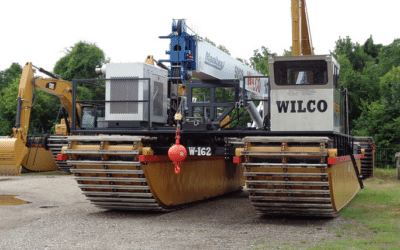
A marsh excavator is a modified form of a conventional excavator mounted on pontoons or tracks designed for low ground pressure. These pontoons allow the machine to float or move across waterlogged terrain without getting stuck.
Key characteristics include:
- Wide tracks or pontoons for weight distribution
- Sealed undercarriage to prevent water damage
- Enhanced stability on soft ground
- Capability to operate in shallow water
This design allows the equipment to function as a floating swamp buggy in certain conditions, making it highly versatile.
How Marsh Buggy Excavators Work
The primary function of a Marsh Buggy Excavator is to reduce ground pressure while maintaining operational capability. Traditional excavators exert significant pressure on the ground, which can cause them to sink in soft soil. Marsh buggies solve this problem through their unique design.
Key working features:
- Pontoons create buoyancy and distribute weight
- Hydraulic systems operate attachments efficiently
- Tracks provide traction on unstable surfaces
- Engine components are protected from moisture exposure
These features make the machine suitable for swamp excavation equipment applications where standard machinery fails.
When Do You Need a Marsh Buggy Excavator
There are specific situations where using a Marsh Buggy Excavator becomes necessary. These machines are not typically used for general construction but are critical in specialised environments.
Common scenarios include:
- Wetland construction projects
- Pipeline installation in marshy areas
- Environmental restoration work
- Dredging and waterway maintenance
- Oil and gas operations in swamps
In these situations, a floating swamp buggy provides the access and stability required to complete tasks safely and efficiently.
Role of Amphibious Equipment Manufacturers
An amphibious equipment manufacturer plays a crucial role in designing and producing machines that meet the demands of wetland operations. These manufacturers focus on innovation, durability, and safety.
Important aspects include:
- Engineering for low ground pressure
- Use of corrosion resistant materials
- Customisation based on project needs
- Compliance with environmental regulations
To understand more about manufacturing expertise, you can explore the company background.
Industries That Use Marsh Excavators
Several industries rely on marsh excavators to carry out their operations in difficult terrain, including construction, mining, oil and gas, environmental restoration, dredging, and wetland management, where stability and access are essential.
Oil and Gas
Pipeline construction and maintenance often take place in remote wetlands. Marsh buggies allow workers to access these areas without damaging the environment.
Environmental Services
Restoration of wetlands and ecosystems requires careful handling. Low ground pressure equipment helps minimise disruption to sensitive habitats.
Construction and Infrastructure
Projects such as bridges, levees, and drainage systems often require work in waterlogged areas. Marsh excavators provide the necessary support.
Utility Services
Installing and maintaining underground utilities in swampy regions is made possible with specialised equipment.
Advantages of Using a Marsh Buggy Excavator
Using a Marsh Buggy Excavator offers several benefits compared to traditional machinery.
Key advantages:
- Ability to operate in soft and unstable ground
- Reduced environmental impact due to low ground pressure
- Improved safety in hazardous conditions
- Increased access to remote locations
- Versatility across different types of terrain
These advantages make marsh buggies an essential tool for specific project requirements.
Differences Between Marsh Buggies and Standard Excavators
While both machines serve excavation purposes, their design and functionality differ significantly.
Main differences include:
- Ground pressure distribution
- Mobility in wet conditions
- Structural design and materials
- Operational environments
Standard excavators are suitable for firm ground, while marsh buggies are designed for extreme conditions.
Choosing the Right Marsh Buggy Equipment
Selecting the right equipment depends on several factors, including project type, terrain, and operational requirements.
Consider the following:
- Water depth and soil condition
- Type of work being performed
- Required attachments and capabilities
- Transportation and setup requirements
Different models, such as those available in the Marsh Runner range, are designed to meet varying needs.
Safety Considerations
Operating in wet and unstable environments requires strict safety measures. Proper training and equipment maintenance are essential.
Safety tips include:
- Regular inspection of pontoons and tracks
- Monitoring weather and water conditions
- Ensuring proper load distribution
- Using protective gear and safety protocols
Following these practices helps reduce risks and ensures smooth operations.
Environmental Impact and Benefits
Marsh Buggy Excavators are designed to minimise environmental damage. Their low ground pressure reduces soil disruption and protects vegetation.
Environmental benefits:
- Reduced impact on ecosystems
- Ability to work without extensive land preparation
- Support for restoration projects
- Compliance with environmental standards
These features make them suitable for projects that require careful environmental management.
When to Consider Professional Guidance
Choosing and operating a Marsh Buggy Excavator requires expertise. If you are unsure about equipment selection or project requirements, seeking professional guidance is recommended.
You can reach out through the contact Wilco Manufacturing page to better understand available options and technical considerations.
Conclusion
A Marsh Buggy Excavator is a specialised solution for working in wet, unstable, and challenging environments. Its unique design allows it to perform tasks that standard equipment cannot handle.
Understanding when and how to use this equipment is essential for industries operating in wetlands and swampy areas. By selecting the right machine and following proper safety practices, projects can be completed efficiently while minimising environmental impact.
Frequently Asked Questions
Q1. What is a Marsh Buggy Excavator used for
It is used for excavation and construction work in wetlands, swamps, and other soft ground conditions.
Q2. How does a floating swamp buggy work
It uses pontoons or wide tracks to distribute weight and provide buoyancy, allowing it to move across waterlogged terrain.
Q3. What industries use marsh excavators
Industries such as oil and gas, environmental services, construction, and utilities commonly use this equipment.
Q4. Is a Marsh Buggy Excavator environmentally friendly
Yes, its low ground pressure design helps reduce damage to sensitive ecosystems.
Q5. When should I use swamp excavation equipment
You should use it when working in soft, wet, or unstable ground where standard machinery cannot operate effectively.