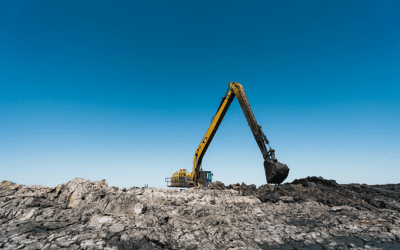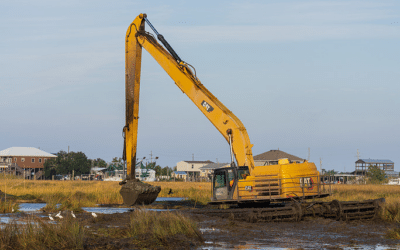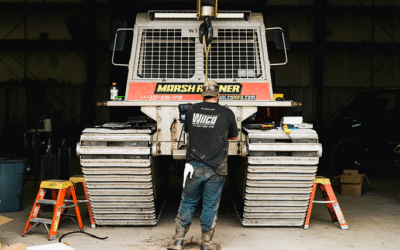
A Floating Excavator is designed to perform excavation and material handling where conventional land based equipment cannot operate effectively. A Floating Excavator can work in shallow water, marshes, swamps, ponds, canals, and other environments where soft or saturated ground creates difficult operating conditions. Unlike a conventional excavator that depends on solid ground for support, a Floating Excavator uses a specialized platform or buoyant structure to distribute its weight and maintain stability.
Understanding how a Floating Excavator operates starts with its basic design. A Floating Excavator combines an excavator upper structure with a platform that allows the machine to operate in or near water. Depending on the configuration, the equipment may be supported by pontoons, amphibious undercarriage components, or other buoyant structures.
For equipment information and specialized machinery solutions, Wilco Manufacturing provides information about equipment designed for demanding wetland and water based applications.
What Is a Floating Excavator?
A Floating Excavator is a specialized excavating machine configured for work in environments where water or unstable ground limits the use of standard construction equipment.
Traditional excavators depend on their tracks resting on firm soil. In wetlands, the ground may contain saturated soil, mud, peat, or other materials that cannot reliably support the machine’s weight. A floating configuration changes how that weight is distributed.
Depending on the equipment design, a Floating Excavator may use large pontoons or other buoyant components that provide greater surface area and support. This allows the machine to work in conditions where ordinary tracked equipment could sink, become stuck, or cause excessive ground disturbance.
How Does a Floating Excavator Stay Stable?
Stability is one of the most important considerations when operating excavation equipment in water.
A floating platform works by distributing the equipment’s weight across a larger area. This reduces the amount of pressure applied to the ground beneath the machine or allows the equipment to remain partially supported by water.
Several factors influence stability, including:
- Machine weight
- Pontoon or platform dimensions
- Water depth
- Ground conditions
- Boom and arm position
- Bucket load
- Excavation depth
- Material being handled
- Operating conditions
The operator must understand how movement of the boom and bucket affects the machine’s center of gravity. Extending the boom, lifting a heavy load, or working at an angle can change the distribution of forces on the platform.
Proper operating procedures are therefore essential when using specialized excavation equipment in water.
What Is a Floating Swamp Buggy?
A floating swamp buggy is another type of specialized equipment associated with work in marshes, swamps, and saturated terrain.
The term generally refers to machinery designed to operate where conventional equipment may experience difficulty because of low bearing capacity.
A floating swamp buggy can be considered when a project requires equipment capable of working across challenging wet terrain.
The specific design and capabilities vary, so operators should review the equipment’s rated capacity, flotation characteristics, dimensions, and intended applications before selecting a machine.
How Does the Excavation Process Work?
The basic excavation process is similar to that of a conventional excavator. The machine uses a boom, arm, and bucket to reach the material being removed.
The difference is the support system beneath the excavator.
During operation, the machine positions itself over or beside the work area. The boom and arm extend toward the material, and the bucket collects sediment, soil, vegetation, or other material.
The bucket is then raised and moved to the designated placement area. Depending on the project, excavated material may be placed on a nearby bank, into a transport vessel, or into another suitable containment system.
Operators must account for the movement of the platform as the bucket is loaded and repositioned.
Floating Excavators in Shallow Water
Shallow water presents unique challenges because there may not be enough depth for conventional watercraft, while the ground may be too soft for standard construction equipment.
A Floating Excavator can provide an alternative for projects where equipment needs to operate directly within the wet environment.
Common shallow water applications may include:
- Pond maintenance
- Canal excavation
- Drainage work
- Sediment removal
- Shoreline maintenance
- Aquatic vegetation removal
- Wetland restoration
- Waterway maintenance
The appropriate machine configuration depends on the water depth, soil conditions, required reach, and type of material being excavated.
Working in Wetlands and Marshes
Wetlands often combine water with unstable soil conditions. A machine that performs well on dry construction sites may not be suitable for these environments.
An amphibious configuration can help distribute machine weight over a larger footprint, reducing the likelihood of excessive sinking.
An amphibious excavator can be configured for challenging terrain where flotation and low ground pressure are important considerations.
Wetland projects may include environmental restoration, drainage maintenance, habitat management, vegetation removal, and sediment control.
The machine must be selected according to the specific characteristics of the site rather than simply the presence of water.
Floating Excavator vs. Conventional Excavator
The main difference between a Floating Excavator and a conventional excavator is the way the machine is supported.
A standard excavator is generally designed to operate on relatively firm ground. Its tracks provide traction and distribute weight across the surface.
A floating or amphibious configuration is designed to address conditions where the ground cannot provide the same level of support.
Important differences can include:
- Larger support structures
- Lower effective ground pressure
- Greater flotation
- Ability to operate in saturated environments
- Specialized mobility systems
- Different stability considerations
A conventional excavator may still be suitable for areas surrounding a wetland or waterway. A specialized machine becomes more relevant when the work area itself is inaccessible to standard equipment.
What Is an Aquatic Excavator?
An aquatic excavator is another term used to describe equipment designed for excavation and material handling in water based environments.
An aquatic excavator may be used for projects involving waterways, ponds, canals, reservoirs, and other aquatic areas.
Its usefulness depends on factors such as:
- Water depth
- Required excavation reach
- Sediment type
- Access conditions
- Material disposal requirements
- Environmental restrictions
- Required production capacity
The terminology used for specialized equipment can vary between manufacturers and industries. Therefore, project managers should focus on the actual machine specifications and operating capabilities rather than the equipment name alone.
How Does an Amphibious Digger Operate?
An amphibious digger is designed to combine excavation capability with mobility across soft terrain and shallow water.
Its specialized undercarriage or flotation system allows it to move across areas where conventional tracked equipment may have difficulty maintaining sufficient support.
The machine can transition between different terrain conditions depending on its configuration.
This makes an amphibious digger useful for projects where the work area includes a combination of:
- Mud
- Soft soil
- Shallow water
- Marsh
- Swamp
- Wetland
- Firm shoreline
The machine’s ability to work across these conditions can reduce the need to rely exclusively on conventional access routes.
How Does a Floating Mini Excavator Help?
Not every wetland project requires a large excavator. Smaller projects may benefit from a floating mini excavator when access is limited or the required excavation volume is relatively modest.
A floating mini excavator may be useful where a smaller working footprint and maneuverability are important.
Potential applications can include smaller drainage projects, shoreline maintenance, vegetation management, and work in confined wetland areas.
The machine still needs to be evaluated according to its lifting capacity, reach, attachment compatibility, water depth requirements, and site conditions.
Attachments Used With Floating Excavators
The excavator itself is only one part of the overall system. Attachments can significantly affect how the machine performs a particular task.
Depending on the project, attachments may include different bucket configurations or specialized tools for handling sediment, vegetation, or other materials.
Choosing the right attachment involves considering:
- Material type
- Required digging depth
- Bucket capacity
- Desired production rate
- Environmental conditions
- Handling requirements
The attachment must also be compatible with the excavator’s hydraulic system and rated operating capacity.
Safety Considerations
Operating heavy equipment over water or unstable ground requires careful planning. Conditions can change quickly, particularly in wetlands where water levels, soil stability, and weather may vary.
Before operation, project teams should evaluate the site and establish appropriate procedures.
Important considerations include:
- Water depth and changes in water level
- Ground stability
- Weather conditions
- Equipment capacity
- Load limits
- Boom and bucket positioning
- Safe access and exit routes
- Emergency procedures
- Environmental requirements
Operators should follow the equipment manufacturer’s instructions and applicable workplace safety requirements.
Environmental Considerations
Wetland and aquatic projects can have environmental implications. Excavation may disturb sediment, vegetation, habitats, or water quality if not carefully planned.
Project teams may need to consider erosion control, sediment management, protected habitats, water quality requirements, and local environmental regulations.
Using equipment suited to soft terrain can help reduce unnecessary ground disturbance, but equipment selection alone does not eliminate environmental risks.
Site specific planning remains essential.
Final Thoughts
A Floating Excavator works by combining excavation equipment with a support system designed for shallow water, saturated ground, wetlands, and other difficult environments. Its specialized platform or amphibious undercarriage helps distribute weight and provide stability where conventional excavators may not be suitable.
Understanding water depth, soil conditions, required reach, machine capacity, attachments, and environmental considerations is important when selecting equipment for a specific project. Aquatic excavators, amphibious diggers, floating swamp buggies, and floating mini excavators can serve different applications depending on the site and project requirements.
If you have questions about equipment configurations for shallow water or wetland applications, Contact us to discuss your project requirements.
Frequently Asked Questions
Q1. What is a Floating Excavator used for?
A Floating Excavator is used for excavation and material handling in environments where conventional equipment may have difficulty operating. Applications can include shallow water, wetlands, marshes, canals, ponds, and shoreline projects.
Q2. How does a Floating Excavator stay stable in water?
A Floating Excavator uses specialized support structures, such as pontoons or amphibious undercarriage components, to distribute its weight and improve flotation. Stability also depends on water depth, machine configuration, load, and boom position.
Q3. What is the difference between an aquatic excavator and a conventional excavator?
An aquatic excavator is configured for work in water or saturated environments, while a conventional excavator is generally designed for firmer ground. Aquatic equipment uses specialized support or flotation systems to operate in challenging wet conditions.
Q4. Can an amphibious digger operate on both land and water?
Many amphibious digger configurations are designed to work across soft land, mud, marshes, and shallow water. The exact operating range depends on the machine’s design, flotation system, water depth, and site conditions.
Q5. What should be considered before using a Floating Excavator?
Important factors include water depth, soil stability, machine capacity, required reach, bucket or attachment type, site access, environmental conditions, and applicable safety requirements. A site specific assessment should be completed before operation.