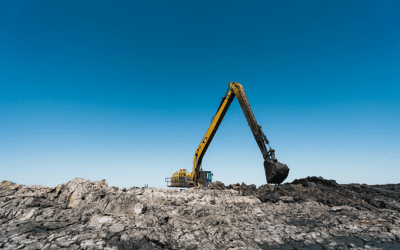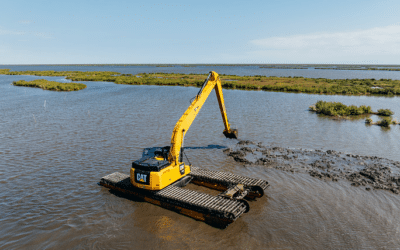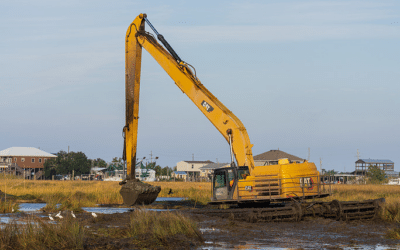
A Marsh Runner is specialized equipment designed to help crews access soft, muddy, wet, and difficult terrain where conventional vehicles may struggle. A Marsh Runner provides a practical way to move personnel, tools, and equipment through wetlands and other challenging environments. A Marsh Runner can support environmental restoration, site inspection, utility work, habitat management, and other projects where ground conditions make conventional transportation difficult.
Wetlands can contain saturated soil, standing water, dense vegetation, mud, and unstable surfaces. These conditions can limit access for standard trucks and other land-based vehicles. Specialized marsh equipment is designed to address these challenges by providing mobility across terrain that may not support conventional equipment.
Understanding how a Marsh Runner works, where it can be used, and what factors should be considered before selecting one can help environmental teams and contractors plan projects more effectively. Businesses researching specialized access solutions can explore Wilco Manufacturing for information about equipment designed for demanding terrain.
What Is a Marsh Runner?
A Marsh Runner is a specialized marsh vehicle developed for travel across wet and unstable environments. It is designed to provide access in locations where standard vehicles may become stuck or cause excessive ground disturbance.
Depending on the configuration, marsh vehicles may be used to transport personnel, tools, materials, and other equipment across wetlands and soft terrain.
These vehicles can be useful for:
• Wetland restoration
• Environmental inspections
• Habitat management
• Utility access
• Surveying
• Remote site maintenance
• Construction support
The exact capabilities of a marsh vehicle depend on its design, configuration, attachments, and intended application.
Why Wetland Access Can Be Difficult
Wetlands are naturally challenging environments for transportation and construction. Unlike stable roads or prepared work sites, wetlands can change considerably depending on weather, water levels, soil conditions, and seasonal factors.
Common access challenges include:
Soft Ground
Wetland soils may have limited load-bearing capacity. Heavy conventional vehicles can sink into the ground or become difficult to maneuver.
Standing Water
Water can cover portions of a work area, making ordinary roads or access routes unavailable.
Mud
Mud can reduce traction and increase the possibility of vehicles becoming stuck.
Dense Vegetation
Plants, reeds, and other vegetation can make navigation more complicated and restrict access to specific locations.
Limited Existing Roads
Many wetland areas do not have permanent roads or paths. Building temporary access routes may increase project costs and environmental disturbance.
A specialized marsh vehicle can help address these conditions by providing mobility specifically suited to difficult terrain.
How a Marsh Runner Supports Environmental Restoration
Environmental restoration projects often require teams to reach areas that are difficult to access. Before restoration work can begin, crews may need to inspect conditions, transport equipment, remove materials, or monitor environmental changes.
A Marsh Runner can support these activities by providing access without depending entirely on conventional road systems.
Common restoration applications include:
• Wetland habitat improvement
• Invasive vegetation management
• Waterway maintenance
• Habitat monitoring
• Environmental surveys
• Restoration site preparation
Access is particularly important because restoration teams may need to work across large areas where ground conditions vary considerably.
The Role of Marsh Equipment in Field Operations
Marsh equipment encompasses specialized machinery and vehicles designed for wetland and soft-ground applications. Different projects may require different types of equipment depending on whether the primary requirement is transportation, excavation, lifting, dredging, or material handling.
A Marsh Runner is generally associated with mobility and access, while other marsh equipment may provide excavation or construction capabilities.
For example, a marsh excavator can support excavation-related activities, while a marsh vehicle can help transport people and equipment to locations where standard vehicles may have limited access.
Using different types of specialized equipment together can allow project teams to address several stages of a wetland project.
How Amphibious Buggies Compare With Traditional Vehicles
Amphibious buggies are designed to operate in environments where conventional vehicles may face access limitations. Their design focuses on mobility across soft ground, mud, and water affected areas.
Traditional trucks and utility vehicles generally depend on firm ground for effective operation. When conditions become too soft or wet, their tires may lose traction or the vehicle may become immobilized.
Amphibious buggies and similar specialized vehicles can provide greater flexibility in these situations.
The appropriate choice depends on factors such as:
• Ground conditions
• Water depth
• Required payload
• Distance to be traveled
• Terrain accessibility
• Project objectives
A site assessment can help determine what type of access equipment is appropriate.
What Is the Wilco Marsh Runner?
The Wilco Marsh Runner is a specialized solution intended for operations in challenging wetland environments. Its application can vary depending on the requirements of the project and the configuration selected.
The Wilco Marsh Runner can be considered for projects where access across soft or difficult terrain is an important requirement.
Potential applications can include environmental fieldwork, wetland restoration, remote site access, and transportation of equipment or personnel.
Project managers should evaluate the terrain and operational requirements before determining whether a particular Marsh Runner configuration is suitable.
Benefits of Using a Marsh Vehicle for Wetland Access
Specialized marsh vehicles can provide several practical benefits when conventional transportation is not suitable.
Improved Accessibility
A marsh vehicle can provide access to locations that may be difficult to reach using standard vehicles.
Reduced Dependence on Temporary Roads
Wetland projects may not always require extensive temporary road construction when appropriate specialized equipment is available.
Better Mobility on Soft Terrain
Equipment designed for marsh conditions can provide improved mobility across surfaces that may present challenges for standard vehicles.
Support for Remote Operations
Environmental teams may need to work far from established roads or facilities. A specialized vehicle can help transport personnel and equipment to remote work areas.
Environmental Restoration Applications
Wetland restoration can involve a wide range of activities, and access is often a key part of successful project planning.
Habitat Restoration
Teams may need to transport materials and tools to areas where habitat improvements are planned.
Vegetation Management
Environmental crews may need to inspect or manage invasive vegetation across large wetland areas.
Environmental Monitoring
Scientists and field technicians may require regular access to monitor water conditions, wildlife habitats, vegetation, and restoration progress.
Site Surveys
Surveyors may need to reach difficult terrain to collect measurements, inspect conditions, and document environmental changes.
How Marsh Runners Can Support Utility Projects
Wetlands are not limited to environmental projects. Utility infrastructure can also cross wetland areas, requiring maintenance teams to access difficult locations.
A marsh vehicle can support certain utility activities by transporting personnel, tools, and materials to remote locations.
Potential applications include:
• Utility inspections
• Infrastructure maintenance
• Surveying
• Remote equipment transportation
• Access for repair crews
The specific use depends on project requirements and applicable environmental regulations.
Factors to Consider Before Selecting a Marsh Runner
Selecting specialized access equipment requires an assessment of the project and operating environment.
Terrain
Consider whether the project involves mud, soft soil, shallow water, vegetation, or uneven surfaces.
Payload
Determine the combined weight of personnel, tools, materials, and equipment that must be transported.
Distance
The size of the work area and distance between access points can influence equipment selection.
Water Conditions
Water depth and changing water levels should be considered when evaluating wetland access equipment.
Project Duration
Long-term projects may require different equipment considerations than short field inspections.
Marsh Runner Maintenance and Operation
Like other specialized machinery, a Marsh Runner requires appropriate maintenance and operation practices. Regular inspections can help identify wear, damage, or mechanical issues before they affect field operations.
Maintenance requirements can include:
• Routine inspections
• Cleaning after wetland operations
• Checking mechanical components
• Monitoring fluid systems
• Inspecting mobility components
• Following manufacturer recommendations
Operators should also receive appropriate training and follow established safety procedures for the equipment and environment.
Marsh Runners and Amphibious Excavators
Marsh Runners and amphibious excavators can serve different but complementary purposes.
A Marsh Runner primarily provides transportation and access, while an amphibious excavator is designed primarily for excavation and material handling.
An amphibious excavator suppliercan provide equipment designed for excavation in soft ground and water affected environments.
For larger restoration projects, using transportation equipment alongside excavation machinery may provide a more complete approach to site operations.
Why Specialized Access Equipment Matters
Wetland projects require careful planning because the environment can affect both equipment performance and project logistics. Using machinery designed for the terrain can help crews access work areas while reducing dependence on conventional transportation methods.
The right equipment can also help project managers plan work around site conditions rather than attempting to adapt standard vehicles to environments for which they were not designed.
Conclusion
A Marsh Runner provides specialized mobility for wetland access, environmental restoration, utility work, surveys, and other operations conducted in soft, muddy, or water affected terrain. By providing a means of transportation across difficult surfaces, a marsh vehicle can help crews reach areas that may be inaccessible to conventional vehicles.
The Wilco Marsh Runner is one option for projects requiring specialized wetland access. However, equipment selection should always be based on terrain, payload, water conditions, project duration, and the specific tasks involved.
For projects that require both transportation and excavation, marsh vehicles can also be used alongside specialized amphibious equipment. Evaluating the complete project scope helps determine which combination of equipment is appropriate.
Organizations seeking additional information about wetland access equipment can use the Contact Us option to discuss their project requirements.
Frequently Asked Questions
What is a Marsh Runner used for?
A Marsh Runner is used to provide transportation and access across soft, muddy, wet, and difficult terrain. Applications can include environmental restoration, wetland surveys, habitat management, and remote site operations.
How is a Marsh Runner different from a regular vehicle?
A Marsh Runner is specifically designed for challenging terrain where conventional vehicles may have difficulty maintaining mobility. Its design focuses on access across wet and unstable environments.
What types of projects use marsh equipment?
Marsh equipment can be used for wetland restoration, environmental monitoring, utility work, habitat management, surveying, and other projects requiring access to difficult terrain.
Can a Marsh Runner be used with an amphibious excavator?
Yes, different types of specialized equipment can be used on the same project when their capabilities complement each other. A Marsh Runner can provide transportation and access, while an amphibious excavator can support excavation and material handling.
What should I consider when choosing a Marsh Runner?
Consider the terrain, water conditions, payload, project distance, duration, required mobility, and specific tasks the vehicle will need to perform. A site assessment can help determine the appropriate equipment.