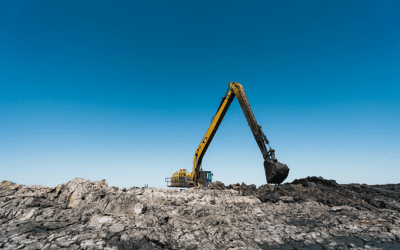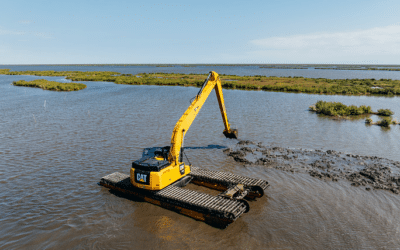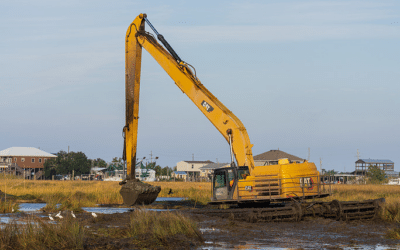
A Digger Derrick can provide an important solution for utility and infrastructure projects that must be completed in wetlands, shallow water, soft soil, or other difficult terrain. A Digger Derrick combines digging and lifting capabilities, allowing crews to perform several tasks with specialized equipment in locations where conventional machinery may have limited access.
Utility installation, infrastructure maintenance, environmental construction, and repair work can become challenging when projects are located away from stable roads or prepared construction surfaces. Wetlands can contain saturated soil, standing water, vegetation, and unstable ground conditions that make traditional equipment difficult to position and operate.
For these applications, wetlands digger derrick solutions provide a way to approach excavation and lifting requirements while adapting to challenging site conditions. Understanding how this equipment works and where it can be used can help project managers determine whether it is appropriate for a particular job.
Businesses exploring specialized equipment for difficult terrain can learn more about equipment solutions from Wilco Manufacturing.
What Is a Digger Derrick?
A Digger Derrick is a specialized machine that combines an excavation system with a boom and lifting capability. This combination allows operators to perform digging and material handling tasks using one piece of equipment.
Traditional excavation equipment is primarily designed for digging, while cranes focus on lifting. Digger cranes combine functions that can be useful for utility and infrastructure work.
Typical applications may include:
• Utility pole installation
• Foundation excavation
• Infrastructure maintenance
• Material placement
• Construction support
• Utility repair projects
The exact configuration of a machine depends on its intended application and operating environment.
Why Wetland Projects Require Specialized Equipment
Wetlands present conditions that are significantly different from conventional construction sites. Soil may be saturated or unstable, and standing water can make access difficult.
Project crews may need to work around:
• Shallow water
• Soft soil
• Mud
• Dense vegetation
• Uneven ground
• Limited access routes
Using standard equipment in these environments can create access and stability challenges. Specialized machinery can provide an alternative approach when conventional equipment cannot reach the required work area effectively.
How Wetlands Digger Derrick Solutions Support Utility Work
Utility projects frequently involve installing, replacing, or maintaining poles, cables, pipelines, and other infrastructure. When these assets are located in wetlands or near water, access becomes a major consideration.
Wetlands digger derrick solutions can support utility projects by providing digging and lifting capabilities in specialized terrain.
Utility Pole Installation
Installing utility poles requires excavation, positioning, and lifting. A digger derrick can help crews prepare the required hole and position the pole using the same machine.
This can reduce the need to coordinate multiple pieces of equipment at the work location.
Infrastructure Maintenance
Existing utility infrastructure may require repairs or replacement. Difficult terrain can make it challenging to transport standard construction machinery to the site.
Specialized equipment designed for wetland applications can help crews access locations where conventional machinery may have limitations.
Material Handling
Utility projects may require materials to be positioned accurately. The lifting capabilities of a digger crane can assist with handling equipment and infrastructure components.
Digger Derricks for Wetland Applications
Digger derricks for wetland projects need to be suited to the conditions in which they will operate. Stability, accessibility, lifting capacity, and excavation capability are important considerations.
The appropriate machine depends on factors such as:
• Water depth
• Soil conditions
• Project size
• Required lifting capacity
• Excavation requirements
• Site accessibility
Equipment should be selected according to the specific conditions rather than simply based on general machine specifications.
Specializeddigger derricks for wetland applications can provide options for projects that require both excavation and lifting capabilities in challenging environments.
How Digger Cranes Improve Worksite Flexibility
Digger cranes can provide greater flexibility because they combine multiple functions in one machine. This can be particularly useful when access to a project site is restricted.
Instead of moving several types of machinery into a difficult area, a suitably configured digger derrick may be able to perform multiple tasks.
This can help crews manage:
• Excavation
• Lifting
• Material placement
• Pole installation
• Infrastructure support
The actual capabilities depend on the machine configuration and project requirements.
The Role of Shallow Water Equipment
Shallow water equipment is designed to operate in environments where conventional land-based machinery may not be practical. Such equipment can help crews reach work areas surrounded by water or unstable ground.
For infrastructure projects, shallow water access may be necessary when utilities cross wetlands, drainage areas, ponds, or other water-affected locations.
The use of specialized equipment can help project teams address site access without relying entirely on extensive temporary ground preparation.
How Amphibious Equipment Supports Difficult Terrain Projects
Amphibious equipment can operate across land and water environments, making it useful for projects where terrain conditions change throughout the work area.
An amphibious excavator may be used alongside other specialized machinery when projects involve excavation, material handling, or environmental work.
For projects requiring equipment designed for these conditions, anamphibious excavator supplier can provide information about available machinery and applications.
Digger Derricks and Environmental Considerations
Wetland projects require careful consideration of environmental conditions. Construction and utility work may take place in areas that support vegetation, wildlife, and water resources.
Equipment selection can therefore be an important part of project planning.
Using equipment that is appropriate for the terrain can help crews avoid unnecessary movement through sensitive areas. Project teams should also follow applicable environmental regulations and site-specific requirements.
The goal is to complete necessary infrastructure work while managing potential impacts on the surrounding environment.
How Wetlands Digger Derrick Solutions Can Support Efficiency
Efficiency is not simply about completing work faster. It also involves using equipment that matches the site’s conditions and the tasks being performed.
A suitable wetlands digger derrick can help by combining digging and lifting functions. This may simplify equipment coordination and reduce the number of machines required at certain work locations.
Potential efficiency benefits include:
• Fewer equipment transitions
• Improved access to difficult locations
• Combined digging and lifting capabilities
• Greater flexibility for utility projects
• Better suitability for challenging terrain
Project managers should evaluate these potential benefits based on the specific requirements of each job.
Factors to Consider Before Choosing a Wetlands Digger Derrick
Selecting a wetlands digger derrick requires careful planning. Different projects have different requirements, so there is no single machine that works for every application.
Terrain Conditions
Determine whether the site contains soft soil, mud, shallow water, or uneven ground.
Lifting Requirements
Consider the weight and dimensions of the materials that must be lifted or positioned.
Excavation Requirements
Identify the required digging depth, soil conditions, and excavation locations.
Site Access
Evaluate how equipment will reach the work area and whether temporary access preparation is necessary.
Project Scope
The size and duration of the project can influence the type and configuration of equipment required.
Amphibious Excavator Services and Digger Derrick Applications
Some projects may require more than one type of specialized equipment. Amphibious excavator services can support excavation and material movement, while digger derricks may provide additional lifting and installation capabilities.
For example, a large wetland infrastructure project may involve excavation, utility installation, material placement, and site restoration. Matching each task with the appropriate equipment can help create a more organized work process.
Industries That Can Use Wetland Digger Derrick Equipment
Wetlands digger derrick equipment can be relevant to several industries and applications.
Potential uses include:
• Electric utility projects
• Telecommunications infrastructure
• Pipeline construction
• Environmental restoration
• Municipal infrastructure
• Remote construction projects
Each application requires an assessment of site conditions and equipment requirements before work begins.
Why Equipment Selection Matters
Choosing equipment based on the actual work environment can influence project safety, accessibility, and efficiency. Machines designed for stable construction sites may not be appropriate for wetlands or shallow water.
A properly selected wetlands digger crane can provide useful excavation and lifting capabilities while adapting to the site’s unique requirements.
Project managers should consider equipment specifications, operating conditions, required attachments, transportation requirements, and operator qualifications when planning a project.
Conclusion
Wetlands digger derrick solutions can help utility and infrastructure crews address projects located in difficult terrain, including wetlands, soft soil, and shallow water. By combining digging and lifting capabilities, these machines can support tasks such as utility pole installation, infrastructure maintenance, excavation, and material placement.
The right equipment depends on the site’s conditions, project requirements, lifting needs, excavation requirements, and accessibility. Digger derricks are not a universal solution for every project, but they can provide valuable capabilities when conventional machinery is not well suited to the environment.
Specialized equipment selection is especially important when work takes place near environmentally sensitive areas. Careful planning can help crews balance project requirements with site conditions and applicable environmental considerations.
Organizations seeking additional information about wetlands equipment and infrastructure solutions can use the Contact Us option to discuss specific project requirements.
Frequently Asked Questions
What is a wetlands digger derrick?
A wetlands digger derrick is specialized equipment designed to provide digging and lifting capabilities for projects conducted in challenging environments such as wetlands, soft terrain, and shallow water.
What are digger derricks used for?
Digger derricks can be used for excavation, utility pole installation, material handling, infrastructure maintenance, and other projects requiring both digging and lifting capabilities.
Can a digger derrick operate in shallow water?
Some specialized configurations are designed for difficult terrain and shallow water applications. The appropriate equipment depends on water depth, ground conditions, machine specifications, and project requirements.
How are amphibious excavators different from digger derricks?
Amphibious excavators are primarily designed for excavation and operation across soft ground and water environments. Digger derricks combine excavation with lifting capabilities, making them useful for certain utility and infrastructure applications.
What should I consider when choosing a wetlands digger derrick?
Consider terrain, water depth, lifting capacity, excavation requirements, site accessibility, project scope, and the specific tasks the equipment must perform. A site assessment can help determine the appropriate equipment configuration.