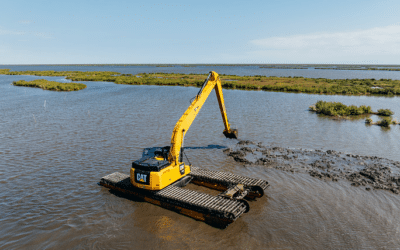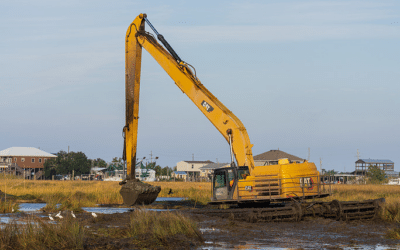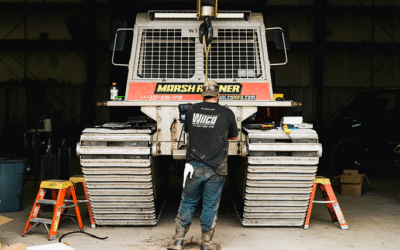
Working with an Amphibious Equipment Manufacturer requires more than selecting a machine from a product list. An Amphibious Equipment Manufacturer should understand the environmental conditions, project requirements, equipment capabilities, and operating challenges associated with wet and unstable terrain. An Amphibious Equipment Manufacturer can help determine whether a particular amphibious excavator configuration is appropriate for the work being planned.
Before choosing an Amphibious Equipment Manufacturer, contractors, environmental teams, municipalities, and other equipment users should evaluate the type of terrain, water depth, required attachments, operating conditions, and expected workload. These factors can influence equipment selection and the way a machine performs throughout a project.
Understanding what to ask and what information to provide can make the equipment selection process more practical. Wilco Manufacturing provides information about amphibious equipment and excavator solutions designed for challenging ground conditions.
What Is Amphibious Equipment?
Amphibious equipment is designed to operate in environments where conventional tracked equipment may have difficulty maintaining stability or mobility. These machines are commonly associated with wetlands, marshes, shallow water, soft ground, flood control areas, and other challenging terrain.
An amphibious excavator generally combines an excavator platform with specialized flotation or undercarriage systems that distribute machine weight over a larger surface area.
This configuration can help equipment operate in conditions where the ground has limited load bearing capacity.
Potential applications may include:
- Wetland restoration
- Dredging
- Vegetation management
- Flood control
- Drainage projects
- Shoreline work
- Environmental remediation
- Canal and waterway maintenance
- Soft terrain excavation
The specific capabilities of a machine depend on its design, configuration, attachments, and operating environment.
Start With the Project Requirements
Before contacting an amphibious equipment manufacturer, define the project requirements as clearly as possible. Equipment selection should be based on the actual work the machine needs to perform rather than simply choosing the largest or most capable model.
Important considerations may include:
- Type of terrain
- Soil conditions
- Water depth
- Required working reach
- Excavation requirements
- Material being handled
- Expected operating hours
- Required attachments
- Transportation requirements
- Site access limitations
Providing this information to the manufacturer can help establish which equipment configuration may be appropriate.
Evaluate the Terrain and Ground Conditions
Ground conditions are particularly important when selecting amphibious equipment. Wetlands, marshes, mud, shallow water, and saturated soils can vary significantly from one location to another.
A machine suitable for one wetland project may not necessarily be suitable for another.
Before equipment selection, consider whether the worksite contains:
- Deep or shallow water
- Unstable soil
- Muddy terrain
- Soft sediment
- Steep banks
- Uneven ground
- Dense vegetation
- Restricted access areas
Understanding the site conditions can help determine the type of flotation, undercarriage configuration, and operating capabilities required.
Understand the Amphibious Excavator Configuration
An amphibious excavator is not simply a standard excavator placed on a floating platform. Its design involves specialized components intended to improve mobility and stability in difficult environments.
Depending on the equipment configuration, features may include specialized pontoons, undercarriage systems, hydraulic components, and adjustable configurations designed for specific operating conditions.
When reviewing equipment, ask the manufacturer to explain:
- How the undercarriage is configured
- How the equipment distributes its weight
- The operating depth limitations
- Suitable terrain conditions
- Compatible attachments
- Transportation requirements
- Maintenance considerations
A clear understanding of these specifications can help prevent equipment from being used outside its intended operating conditions.
Consider the Required Attachments
The attachment requirements should be considered before selecting the base machine. Different projects can require very different tools.
For example, a wetland restoration project may require equipment capable of vegetation removal, material handling, grading, or excavation.
Potential attachments may include buckets, pumps, cutters, grapples, dredging tools, and other specialized equipment.
The attachment must be compatible with the excavator’s hydraulic system and operating specifications. It should also be appropriate for the material and task involved.
Discussing attachments early in the selection process can help ensure that the complete equipment configuration is suitable for the intended work.
Understand Transportation Requirements
Transportation is another important consideration. Amphibious equipment may have specialized components or dimensions that differ from conventional excavators.
Before selecting a machine, determine how it will be transported to and from the project site.
Consider:
- Road transportation requirements
- Loading and unloading procedures
- Equipment dimensions
- Component weight
- Site access
- Assembly requirements
- Storage between projects
Planning transportation in advance can reduce logistical challenges once the project begins.
Why Project Specific Equipment Selection Matters
There is no single amphibious machine configuration that is ideal for every project. Wetland restoration, dredging, flood management, and shoreline work can involve different terrain and performance requirements.
Project specific selection can help ensure that the equipment’s capabilities align with the actual work.
For smaller or more restricted worksites, users may also need to consider specialized options such as a mini amphibious excavator. The appropriate machine depends on factors including access, working conditions, required reach, and project scope.
Consider Maintenance and Service Requirements
Like any heavy equipment, amphibious equipment requires routine inspection and maintenance. However, machines operating in wet, muddy, or abrasive environments may encounter conditions that require particular attention.
Before working with a manufacturer, ask about recommended maintenance intervals and the components that require regular inspection.
Areas to discuss may include:
- Hydraulic systems
- Undercarriage components
- Pontoons or flotation systems
- Pins and bushings
- Attachment connections
- Engine systems
- Structural components
Understanding maintenance requirements before purchasing or operating equipment can help teams plan routine servicing and minimize avoidable downtime.
Understand Equipment Limitations
Every machine has operating limits. Understanding those limits is essential for safe and effective equipment use.
An amphibious excavator may be designed for soft ground and shallow water, but this does not mean it can operate in every aquatic environment.
Water depth, current, slope, soil conditions, load, attachment weight, and other factors can affect machine performance.
The manufacturer’s operating instructions and technical specifications should always be reviewed before equipment is used on a project.
Consider the Operator’s Requirements
The machine is only one part of the overall equipment system. Operators also need to understand how amphibious equipment behaves differently from conventional excavators.
Training and familiarity with the equipment can help operators understand:
- Machine stability
- Operating limitations
- Attachment handling
- Water and soft ground conditions
- Inspection requirements
- Emergency procedures
- Transportation procedures
Operators should follow manufacturer guidance and project specific safety requirements.
Final Thoughts
Choosing an Amphibious Equipment Manufacturer should begin with understanding the project rather than the machine itself. Terrain, water conditions, access, required attachments, operating specifications, transportation, maintenance, and operator requirements all influence whether particular amphibious equipment is suitable.
An amphibious excavator can provide capabilities that conventional equipment may not offer in soft or wet environments, but its performance depends on selecting the right configuration and operating the machine within its intended limitations.
For more information about amphibious equipment and project specific equipment requirements, Contact us to discuss your requirements.
Frequently Asked Questions
Q1. What should I consider when choosing an amphibious equipment manufacturer?
Consider the manufacturer’s experience, equipment specifications, available configurations, attachment compatibility, maintenance requirements, transportation needs, technical documentation, and understanding of the terrain where the machine will operate.
Q2. What is an amphibious excavator used for?
An amphibious excavator can be used for applications involving soft ground, wetlands, shallow water, marshes, waterways, flood control areas, dredging, environmental restoration, and other challenging terrain.
Q3. How do I know which amphibious equipment configuration I need?
Start by evaluating the project’s terrain, water depth, soil conditions, required reach, material, attachments, access restrictions, and expected workload. These details can then be discussed with the manufacturer.
Q4. What attachments can be used with amphibious excavators?
Attachment compatibility depends on the excavator’s hydraulic capacity and configuration. Depending on the application, options may include buckets, pumps, grapples, cutters, dredging equipment, and other specialized tools.
Q5. Why is maintenance important for amphibious equipment?
Amphibious equipment often operates in wet, muddy, or abrasive environments. Regular inspection and maintenance of hydraulic systems, undercarriage components, flotation systems, attachments, and other parts can help maintain equipment condition and support reliable operation.