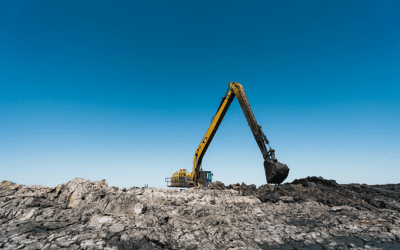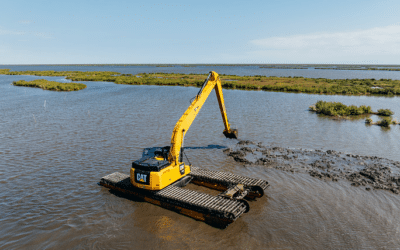
Amphibious Equipment is designed to operate in environments where conventional construction machinery may struggle with unstable terrain. Amphibious Equipment can work across soft ground, mud, marshes, shallow water, and wetlands by distributing machine weight over a larger surface area. Amphibious Equipment is particularly useful when conventional excavators risk sinking or becoming immobilized in low bearing capacity soils.
Understanding how Amphibious Equipment works on soft terrain helps explain why an amphibious excavator can remain stable where standard equipment may lose traction or become stuck. These machines combine specialized undercarriage systems, flotation, wide tracks, and carefully managed ground pressure to support operation in challenging environments.
For projects involving wetlands, waterways, flood control areas, and other difficult terrain, Wilco Manufacturing provides information about equipment designed for specialized ground conditions.
Why Soft Ground Creates Problems for Conventional Equipment
Soft ground can have a very low load bearing capacity. Wet clay, saturated soil, peat, mud, and marsh terrain may not provide enough resistance to support the concentrated weight of a conventional excavator.
When heavy equipment enters this type of environment, several problems can occur.
- The machine may sink into the soil.
- Tracks can lose traction.
- The undercarriage may become buried.
- Machine movement can become difficult.
- Excavation work may become inefficient.
- Recovery operations may be required if the machine becomes immobilized.
The problem is largely related to how the machine’s weight is transferred to the ground. A conventional machine concentrates a substantial amount of weight over a relatively small contact area.
Amphibious equipment approaches the problem differently by increasing the effective footprint of the machine and distributing its weight over a larger area.
How Flotation Helps Amphibious Equipment Stay on Soft Ground
One of the defining characteristics of amphibious equipment is its ability to provide flotation support.
Instead of relying entirely on conventional tracks contacting the ground, an amphibious excavator uses specialized pontoons or flotation components that help distribute the machine’s weight.
The flotation system can reduce the amount of pressure transferred to soft terrain. This makes it possible for the machine to operate in environments where ordinary excavators may sink.
The principle is similar to how a wider object can remain on a soft surface more effectively than a narrow object carrying the same weight. By increasing the contact area, the machine can reduce ground pressure.
This is particularly useful in marshes, swamps, shallow waterways, and saturated construction sites.
The Role of Wide Tracks
Wide tracks are another important component of amphibious equipment. Tracks with a broader contact area help spread the machine’s weight across the ground.
The larger footprint can improve stability and reduce the likelihood of excessive sinking.
Wide tracks also help the machine move across soft terrain where narrow conventional tracks may cut deeply into the soil.
The design of the tracks is therefore important for maintaining mobility. The objective is not simply to make the machine heavier or larger, but to create a suitable relationship between machine weight, track dimensions, flotation, and ground conditions.
Managing Ground Pressure
Ground pressure is one of the most important factors when operating heavy equipment on soft terrain.
Ground pressure refers to the force exerted by the machine over the area supporting it. A machine with a large supporting footprint can distribute its weight more effectively than one with a smaller footprint.
Amphibious equipment is engineered with this principle in mind.
Lower ground pressure can help:
- Reduce sinking
- Improve mobility
- Increase stability
- Protect sensitive terrain
- Reduce the risk of becoming immobilized
The exact ground pressure depends on the machine configuration, operating conditions, load, attachments, and terrain.
Operators still need to evaluate the site before beginning work because extremely soft or unpredictable ground can present challenges even for specialized equipment.
The Importance of the Undercarriage
The undercarriage is central to an amphibious machine’s ability to operate in difficult terrain.
It supports the machine while helping distribute its weight and maintain traction. The design must account for the relationship between the excavator, flotation components, tracks, and terrain.
A properly designed undercarriage can help the machine maintain a stable working position while reducing the risk of excessive sinking.
For information about specialized equipment configurations, an amphibious excavator supplier can provide details about available systems and their intended applications.
How Amphibious Excavators Move Through Mud
An amphibious excavator is designed to maintain movement across terrain where conventional equipment may struggle.
Its undercarriage and flotation system work together to keep the machine supported while specialized tracks provide traction.
The machine does not simply float like a boat. Its ability to move depends on the combination of flotation, track design, machine balance, and the characteristics of the terrain.
In shallow water and soft mud, the machine can use its specialized undercarriage to maintain a more stable operating position while traveling or performing excavation work.
This makes amphibious excavators suitable for applications such as:
- Wetland restoration
- Dredging support
- Drainage maintenance
- Flood control
- Canal work
- Pond and lake maintenance
- Environmental construction
- Vegetation management
Stability During Excavation
Mobility is only one part of the equation. The machine must also remain stable while performing work.
An excavator creates changing forces when its boom, arm, bucket, or other attachment moves. These forces can affect machine balance, particularly on unstable terrain.
Amphibious equipment is designed to provide a broader and more stable support platform.
The flotation components and specialized undercarriage help distribute forces across the supporting surface. This can allow the machine to perform excavation and material handling tasks without concentrating all of the force in a small area.
Operators must still work within the equipment’s operating limits. Bucket size, reach, load, boom position, water depth, and soil conditions can all affect stability.
What Makes Swamp Machines Different?
The term swamp machines is often used to describe equipment designed to operate in marshes, swamps, wetlands, and other areas with poor ground conditions.
Traditional construction equipment is generally designed for firmer surfaces. Swamp machines are developed with terrain limitations in mind.
Important characteristics can include:
- Low ground pressure
- Wide or specialized tracks
- Flotation capability
- Increased stability
- Adaptability to wet terrain
- Specialized undercarriage designs
These characteristics help distinguish amphibious equipment from standard excavators.
The specific configuration required depends on the project. A machine working in a shallow wetland may have different requirements from one operating in deeper water or extremely soft peat.
Why Conventional Recovery Methods Can Be Risky
When a conventional excavator becomes stuck in soft ground, recovering it can be difficult. Additional machinery may be needed to pull or lift the equipment from the affected area.
Recovery operations can introduce additional risks and costs while also disturbing the surrounding terrain.
In environmentally sensitive locations, extracting a stuck machine can create additional soil disturbance.
Using equipment designed for the terrain from the beginning can help reduce the likelihood of this type of problem.
However, no machine can eliminate every terrain related risk. Proper site assessment, operator training, equipment selection, and operating procedures remain important.
Choosing the Right Amphibious Equipment
Selecting amphibious equipment requires more than determining whether the project involves mud or water.
Several site characteristics should be evaluated before choosing a machine.
These may include:
- Soil type
- Water depth
- Expected load
- Required digging depth
- Site access
- Terrain slope
- Ground bearing capacity
- Required attachment
- Expected operating duration
- Environmental restrictions
The required machine configuration will depend on the combination of these factors.
For example, a project involving shallow water and soft sediment may have different equipment requirements from a wetland restoration project involving deeper water and extensive excavation.
Marsh Runners and Wetland Applications
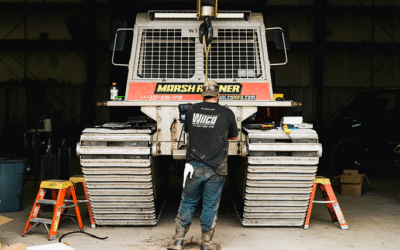
Specialized machines such as the Wilco Marsh Runner are designed for challenging wetland environments where conventional equipment may have limited mobility.
The concept behind marsh equipment is to provide access to areas where ground conditions make standard machinery unsuitable.
Such equipment can be relevant for projects involving marsh maintenance, environmental restoration, drainage work, vegetation management, and other activities requiring access across unstable terrain.
The appropriate machine should always be selected according to the specific site conditions and work requirements.
How Operators Can Reduce the Risk of Getting Stuck
Even with specialized amphibious equipment, operating practices matter.
Operators can reduce the risk of immobilization by understanding the terrain before entering it and avoiding unnecessary movements in areas with uncertain ground conditions.
Important considerations include:
- Assessing water depth before operation
- Identifying extremely soft sections
- Monitoring machine stability
- Avoiding excessive loads
- Maintaining appropriate travel speeds
- Using suitable attachments
- Following manufacturer operating limits
- Monitoring changes in terrain conditions
Weather can also change ground conditions. Heavy rainfall, flooding, or changes in water levels may affect the site’s bearing capacity.
Final Thoughts
Amphibious Equipment handles soft ground by combining flotation, specialized undercarriage systems, wide tracks, and controlled ground pressure. These features allow amphibious excavators and other swamp machines to operate across terrain that may be unsuitable for conventional construction equipment.
The goal is not simply to prevent a machine from sinking. Effective amphibious equipment must also provide traction, stability, maneuverability, and sufficient support for the work being performed.
For questions about amphibious equipment and its suitability for challenging terrain, Contact us to discuss your project requirements.
Frequently Asked Questions
Q1. How does amphibious equipment avoid getting stuck in soft ground?
Amphibious equipment uses flotation systems, specialized undercarriages, wide tracks, and low ground pressure to distribute machine weight across a larger area. This can reduce sinking and improve mobility.
Q2. Can an amphibious excavator operate in water?
Many amphibious excavators are designed to work in shallow water and wet environments. The suitable operating depth depends on the specific machine configuration and manufacturer specifications.
Q3. What are swamp machines used for?
Swamp machines can be used for wetland restoration, drainage maintenance, environmental projects, dredging support, flood control, vegetation management, and other work in areas with soft or saturated ground.
Q4. Are amphibious excavators suitable for all wetlands?
Not necessarily. Wetlands can vary significantly in soil composition, water depth, vegetation, slope, and bearing capacity. Equipment should be selected after evaluating the specific site conditions.
Q5. What factors should be considered when selecting amphibious equipment?
Important factors include soil conditions, water depth, ground bearing capacity, required excavation depth, attachment requirements, machine load, site access, and environmental restrictions. A suitable configuration should be determined based on the project’s specific requirements.