Introduction
A Marsh Buggy is a specialised machine designed to operate in wet, unstable, and low bearing ground conditions where traditional equipment cannot perform effectively. A Marsh Buggy is commonly used in wetlands, marshes, and swamp environments to provide mobility, stability, and access for construction and utility work. For commercial buyers evaluating equipment options, understanding the difference between a Marsh Buggy and a swamp buggy is essential for making the right investment.
The term Marsh Buggy is often used interchangeably with swamp vehicles, but there are important distinctions between the two. Each type of amphibious equipment is designed for specific applications, terrain conditions, and operational requirements. This guide provides a detailed comparison to help determine which option best fits your project.
What Is a Marsh Buggy
A marsh buggy is a low ground pressure vehicle designed to operate on soft, waterlogged terrain. It typically features wide pontoons or tracks that distribute weight evenly, preventing the machine from sinking.
Key characteristics include:
- Pontoons for flotation and stability
- Sealed undercarriage for water resistance
- Ability to support attachments such as excavators
- Suitable for both land and shallow water
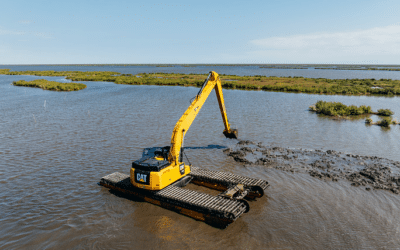
An amphibious marsh buggy can function as a base platform for various operations, making it a versatile choice for wetland projects.
What Is a Swamp Buggy
A swamp buggy is a broader category of off-road vehicles designed for navigating swampy or muddy terrain. These vehicles are often used for transportation, exploration, or light duty work rather than heavy construction.
Common features include:
- Elevated chassis for water clearance
- Large tires or tracks for traction
- Simpler design compared to marsh buggies
- Focus on mobility rather than heavy lifting
Swamp vehicle types vary widely, ranging from recreational vehicles to utility transport units.
Key Differences Between Marsh Buggy and Swamp Buggy
Understanding the differences between these two types of equipment is crucial for selecting the right solution.
Design and Structure
- Marsh buggy uses pontoons or wide tracks for flotation
- Swamp buggy typically relies on large tires or basic tracks
Functionality
- Marsh buggy supports heavy equipment such as a marsh buggy excavator
- Swamp buggy is mainly used for transport and light tasks
Terrain Capability
- Marsh buggy performs better in extremely soft or waterlogged areas
- Swamp buggy is suitable for moderately wet or muddy terrain
Application Scope
- Marsh buggy is used in construction, oil and gas, and environmental projects
- Swamp buggy is used for access, inspection, and recreational purposes
Types of Marsh Buggies
Marsh buggies come in different configurations depending on their intended use.
Standard Marsh Buggy
Designed for general wetland access and support tasks, offering balance between mobility and load capacity.
Floating Swamp Buggy
A floating swamp buggy provides enhanced buoyancy, allowing it to operate in deeper water conditions.
Marsh Buggy Excavator
This configuration integrates an excavator with the buggy platform, enabling digging and material handling in wetlands.
Different models, such as those in the Marsh Runner range, are built to meet specific operational needs.
Applications of Marsh Buggies
Marsh buggies are widely used in industries that require reliable performance in challenging environments.
Common applications include:
- Pipeline installation in wetlands
- Environmental restoration projects
- Dredging and waterway maintenance
- Infrastructure development in marshy areas
These machines provide the stability and capability needed for complex operations.
Applications of Swamp Buggies
Swamp buggies are typically used for lighter tasks and transportation.
Typical uses include:
- Accessing remote or flooded areas
- Carrying personnel and equipment
- Inspection and maintenance tasks
- Recreational use in off road environments
While useful, they are not designed for heavy construction work.
Wetland Equipment Comparison Factors
When comparing marsh buggy and swamp buggy options, several factors should be considered.
Key considerations include:
- Ground conditions and water depth
- Type of work being performed
- Load capacity requirements
- Mobility and access needs
- Environmental impact and compliance
A thorough wetland equipment comparison helps ensure that the selected machine meets project demands.
Advantages of Choosing a Marsh Buggy
For commercial projects, a Marsh Buggy often provides significant advantages.
Benefits include:
- Ability to operate in extreme wet conditions
- Support for heavy equipment and attachments
- Reduced environmental impact due to low ground pressure
- Increased safety and stability
These advantages make it a preferred choice for demanding applications.
When a Swamp Buggy May Be Sufficient
In some cases, a swamp buggy may be adequate for project needs.
Suitable scenarios include:
- Light duty transportation tasks
- Areas with moderate terrain challenges
- Short term or low intensity operations
Understanding project scope helps determine whether a simpler solution is sufficient.
Importance of Manufacturer Expertise
Selecting the right equipment also depends on the expertise of the manufacturer. Engineering quality, design innovation, and reliability are critical factors.
You can learn more about manufacturing background and capabilities through the company information page.
Making the Right Buying Decision
Choosing between a Marsh Buggy and a swamp buggy requires careful evaluation of project requirements.
Steps to consider:
- Assess terrain and environmental conditions
- Identify operational needs and workload
- Compare equipment specifications
- Evaluate long term usage and maintenance
Taking a structured approach ensures a well informed decision.
When to Seek Professional Guidance
For complex projects, consulting with experts can provide valuable insights into equipment selection. If you need assistance, you can reach out through the contact Wilco Manufacturing page to discuss your specific requirements.
Conclusion
A Marsh Buggy and a swamp buggy serve different purposes, and choosing the right one depends on the nature of your project. While swamp buggies are suitable for light tasks and mobility, marsh buggies offer the capability, stability, and versatility required for heavy duty operations in wetlands.
By understanding the differences and evaluating key factors, commercial buyers can select the equipment that best supports their project goals. Making the right choice ensures efficiency, safety, and long term success in challenging environments.
Frequently Asked Questions
1. What is the main difference between a Marsh Buggy and a swamp buggy
A marsh buggy is designed for heavy duty work in wetlands, while a swamp buggy is mainly used for transportation and light tasks.
2. Can a marsh buggy operate in water
Yes, many models function as a floating swamp buggy and can operate in shallow or moderate water conditions.
3. What is a marsh buggy excavator
It is a marsh buggy equipped with an excavator for digging and material handling in wetland environments.
4. Which vehicle is better for construction projects
A marsh buggy is generally better suited for construction due to its stability and load capacity.
5. How do I choose the right amphibious vehicle
You should consider terrain conditions, project requirements, and equipment capabilities before making a decision.