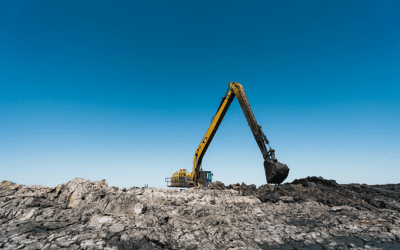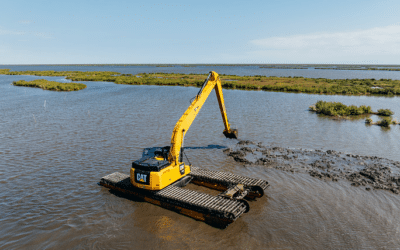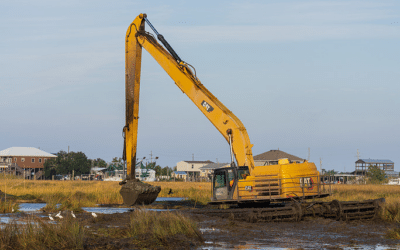
Operating heavy equipment in wetlands, marshes, swamps, and shallow water environments presents unique engineering challenges. Conventional excavators and tracked machines are designed primarily for stable ground conditions and often struggle when faced with saturated soils or standing water. This is where an amphibious hydraulic undercarriage becomes a critical component. Designed specifically for difficult terrain, these systems allow equipment to maintain stability, flotation, and mobility where traditional undercarriages would fail.
Engineers, fleet managers, and procurement professionals evaluating specialized equipment often focus on productivity and durability. However, understanding the underlying technology is equally important. The undercarriage directly influences machine stability, safety, maintenance requirements, and operational efficiency. For organizations researching equipment solutions for wetland operations, additional information can be found through Wilco Manufacturing, which provides resources on amphibious equipment and related technologies.
The defining characteristic of an amphibious hydraulic undercarriage is its ability to combine flotation, mobility, and hydraulic control within a single system.
Why Traditional Undercarriages Struggle in Wetland Conditions
Standard excavators rely on tracks to distribute weight across the ground. While tracked machines generally outperform wheeled equipment in soft terrain, they still have limitations. Wetlands and marshes often consist of unstable soils with low bearing capacity. Under these conditions, excessive ground pressure can cause equipment to sink or become immobilized.
Another challenge involves water intrusion and environmental exposure. Conventional undercarriage systems are not typically designed for prolonged operation in saturated environments. Continuous exposure to water, mud, and debris can accelerate wear and increase maintenance requirements.
These limitations make specialized undercarriage systems necessary for projects involving:
- Wetland restoration
- Shoreline stabilization
- Dredging operations
- Flood control projects
- Pipeline installation
- Environmental remediation
To address these challenges, amphibious equipment uses engineering solutions specifically tailored to difficult terrain.
The Importance of Flotation Systems
One of the most significant differences between standard and amphibious equipment is the incorporation of a flotation system.
A flotation system allows equipment to distribute weight across a larger surface area while providing buoyancy in wet conditions. This capability enables machines to travel across terrain that would otherwise be inaccessible.
Key benefits of an effective flotation system include:
- Reduced ground pressure
- Improved stability
- Enhanced operator safety
- Better environmental protection
- Greater access to remote locations
By minimizing the force exerted on the ground, flotation systems help protect sensitive ecosystems while maintaining operational efficiency.
Modern flotation systems often consist of sealed pontoons integrated into the machine structure. These components contribute both buoyancy and stability, allowing equipment to function in areas where conventional machinery would encounter significant limitations.
Amphibious Tracks and Their Role in Mobility
Track design is another major factor that distinguishes amphibious equipment from conventional machines.
Unlike traditional tracks, amphibious tracks are engineered specifically for operation in unstable environments. They are typically wider and designed to maximize surface contact with the ground.
Important characteristics of amphibious tracks include:
- Increased width for weight distribution
- Enhanced traction in soft terrain
- Improved flotation support
- Corrosion resistant construction
- Durability under harsh environmental conditions
These tracks work together with the flotation system to reduce ground pressure while maintaining traction and maneuverability.
For professionals evaluating specialized equipment, understanding the engineering behind these systems is essential. Detailed information about the design and applications of an amphibious hydraulic undercarriage can provide valuable insight into how these components support equipment performance in challenging environments.
Hydraulic Technology and Precision Control
Hydraulic systems play a central role in amphibious equipment functionality. The hydraulic undercarriage is designed to provide precise control while operating across uneven and unstable surfaces.
In wetland environments, operators frequently encounter changing terrain conditions. A machine may transition from soft mud to shallow water and then to firmer ground within a short distance. Hydraulic systems help manage these transitions smoothly.
Advantages of hydraulic control include:
- Accurate maneuverability
- Responsive movement adjustments
- Enhanced operational safety
- Better adaptability to changing terrain
- Reduced operator fatigue
The integration of hydraulic technology allows equipment to maintain consistent performance despite challenging environmental conditions.
How Marsh Buggy Technology Influences Modern Equipment
The evolution of amphibious equipment is closely connected to marsh buggy technology. Originally developed for access to difficult wetland environments, marsh buggy technology introduced concepts that continue to influence modern equipment design.
Core principles include:
- Low ground pressure operation
- Enhanced flotation
- Increased terrain accessibility
- Reduced environmental disturbance
Today’s amphibious equipment builds upon these foundations through improved materials, hydraulic systems, and engineering techniques.
Many modern undercarriage systems incorporate lessons learned from decades of marsh buggy technology development. As a result, operators benefit from improved reliability, efficiency, and performance.
Applications Across Multiple Industries
The versatility of amphibious undercarriage systems makes them suitable for a wide range of industries.
Environmental Restoration
Restoration projects often require access to fragile ecosystems. Low ground pressure equipment helps minimize environmental impact while allowing crews to complete necessary work.
Dredging Operations
Dredging frequently occurs in shallow water and soft sediment conditions. Amphibious equipment provides access where conventional machines may be unable to operate effectively.
For projects involving excavation and waterway management, information about specialized equipment such as an amphibious excavator can help project planners better understand equipment capabilities and operational applications.
Utility Infrastructure
Pipeline installation, utility maintenance, and drainage improvements often require equipment capable of traversing difficult terrain.
Flood Control Projects
Managing flood risks frequently involves work in saturated environments. Amphibious equipment supports these operations by providing reliable access and mobility.
Durability Considerations for Long Term Performance
Because amphibious equipment operates in harsh environments, durability is a critical concern.
Common challenges include:
- Corrosion exposure
- Abrasive sediment contact
- Moisture intrusion
- Hydraulic component wear
- Structural fatigue
Manufacturers address these issues through various engineering strategies, including corrosion resistant materials, sealed components, and protective coatings.
Long term performance depends not only on equipment design but also on proper maintenance practices. Regular inspections and preventive maintenance help extend service life and reduce downtime.
Key Factors Buyers Should Evaluate
Engineers and procurement teams should consider multiple factors when evaluating amphibious equipment.
Terrain Requirements
Understanding the specific environmental conditions of a project is essential when selecting equipment.
Flotation Capacity
The effectiveness of the flotation system directly influences mobility and stability.
Track Design
Track width, durability, and performance characteristics affect operational success.
Hydraulic Reliability
The hydraulic system should provide consistent performance under demanding conditions.
Lifecycle Costs
Purchase price is only one aspect of equipment evaluation. Maintenance, repair, and operational costs should also be considered.
A comprehensive assessment helps ensure equipment selection aligns with both operational requirements and long term financial objectives.
Future Developments in Amphibious Undercarriage Design
Technology continues to improve the performance of amphibious equipment.
Emerging innovations include:
- Advanced hydraulic control systems
- Lightweight structural materials
- Improved flotation technologies
- Enhanced corrosion protection
- Real time equipment monitoring
These developments aim to improve efficiency while reducing maintenance requirements and operational costs.
As environmental projects become more complex, demand for specialized equipment is expected to continue growing.
Conclusion
An amphibious hydraulic undercarriage differs significantly from conventional undercarriage systems because it is specifically engineered to operate in environments where flotation, mobility, and stability are essential. By integrating flotation systems, amphibious tracks, hydraulic controls, and concepts derived from marsh buggy technology, these systems provide access to terrain that would otherwise be inaccessible.
Professionals seeking further information about amphibious equipment applications, specifications, or project requirements can Contact Us for More Information to explore technical resources and industry insights.
Frequently Asked Questions
Q1. What is an amphibious hydraulic undercarriage?
An amphibious hydraulic undercarriage is a specialized mobility system designed for equipment operating in wetlands, marshes, swamps, and shallow water environments. It combines flotation, hydraulic control, and low ground pressure technology.
Q2. How does a flotation system improve equipment performance?
A flotation system distributes machine weight across a larger area, reducing ground pressure and helping equipment travel across soft or waterlogged terrain without sinking.
Q3. What are amphibious tracks?
Amphibious tracks are specially designed track systems that provide traction, flotation support, and stability in soft ground and wetland environments.
Q4. How is marsh buggy technology related to amphibious equipment?
Marsh buggy technology introduced many of the low ground pressure and flotation concepts that influenced the development of modern amphibious equipment and undercarriage systems.
Q5. What industries commonly use amphibious hydraulic undercarriages?
Industries such as environmental restoration, dredging, flood control, utility infrastructure, shoreline maintenance, and wetland conservation commonly rely on amphibious hydraulic undercarriage systems.