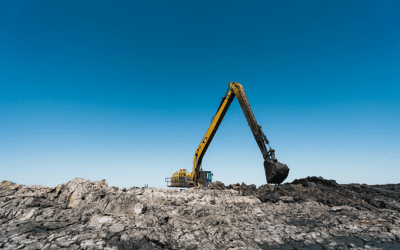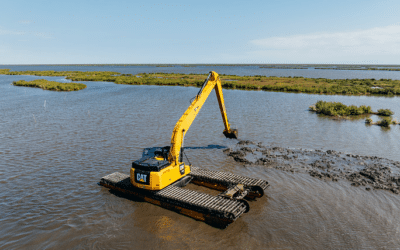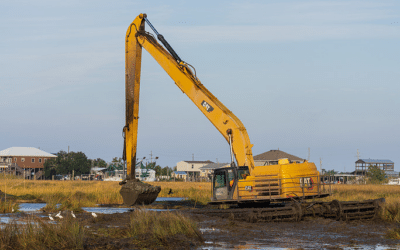
Working in wetlands, marshes, and other soft terrain environments presents unique challenges for contractors. Traditional heavy equipment often struggles in saturated ground conditions where stability and mobility become major concerns. An Amphibious Excavator is specifically designed to address these challenges by operating efficiently in environments where conventional excavators cannot perform effectively. Understanding how an Amphibious Excavator works can help contractors choose the right equipment for demanding wetland projects.
An Amphibious Excavator combines the digging capabilities of a standard excavator with flotation systems that allow it to travel across soft ground, marshes, swamps, and shallow water. These machines have become valuable assets for contractors involved in environmental restoration, dredging, waterway maintenance, and infrastructure projects.
Companies such as Wilco Manufacturing develop specialized equipment designed to handle difficult terrain while maintaining productivity and safety. By understanding the engineering and operational principles behind amphibious equipment, contractors can better evaluate whether these machines are suitable for their project requirements.
As environmental regulations and wetland development projects continue to increase, the demand for specialized wetland equipment has grown significantly. Amphibious excavators offer solutions that allow contractors to access areas that would otherwise be difficult or impossible to reach.
What Is an Amphibious Excavator?
An amphibious excavator is a modified excavator equipped with flotation pontoons and specialized undercarriage systems that allow operation in wet, unstable, and waterlogged environments.
Unlike conventional excavators, these machines are engineered to:
- Travel across marshes and wetlands
- Operate in shallow water
- Minimize ground pressure
- Maintain stability on soft surfaces
These capabilities make them suitable for projects involving swamp excavation, environmental restoration, and waterway maintenance.
Understanding the Flotation System
One of the most important features of an amphibious excavator is its flotation system. The machine’s undercarriage is supported by large pontoons that distribute weight over a wider surface area.
Benefits of flotation pontoons include:
- Reduced ground pressure
- Improved stability
- Enhanced buoyancy
- Better mobility on soft terrain
This design allows the equipment to travel across areas where standard tracked machines may become stuck or cause excessive ground disturbance.
The Role of Amphibious Excavator Manufacturers
Equipment design and engineering play a major role in amphibious performance. Contractors often evaluate manufacturers based on reliability, durability, and specialized expertise.
Information about an experienced amphibious excavator manufacturer can help contractors better understand available equipment options and project suitability.
How the Pontoon Undercarriage Works
The pontoon undercarriage serves as the foundation of the machine’s amphibious capabilities. The pontoons function similarly to floating structures by helping distribute the excavator’s weight more evenly.
Key components include:
- Sealed flotation pontoons
- Reinforced track systems
- Hydraulic drive mechanisms
- Stabilizing structures
Together, these components allow a floating excavator to operate efficiently in wetlands and marshes.
Operating in Wetlands and Marshes
Wetlands often contain unstable soil conditions that make traditional excavation difficult. Saturated ground may not support the weight of conventional equipment, creating safety and operational challenges.
An aquatic excavator addresses these issues by:
- Lowering ground pressure
- Improving weight distribution
- Providing flotation support
- Maintaining machine stability
This capability allows contractors to access project sites while reducing the risk of equipment becoming immobilized.
Mobility in Shallow Water
Many projects require excavation work in shallow water environments. Amphibious excavators are specifically designed to perform tasks in these conditions without requiring extensive temporary access roads or support structures.
Common shallow water applications include:
- Canal maintenance
- Pond restoration
- Shoreline improvements
- Waterway dredging
The machine’s flotation system allows continued operation even when portions of the undercarriage are partially submerged.
Applications for Wetland Equipment
Wetland environments require specialized equipment that minimizes environmental impact while maintaining productivity. Amphibious excavators are commonly used in various sectors.
Typical applications include:
- Wetland restoration
- Habitat management
- Environmental remediation
- Flood control projects
As regulations increasingly emphasize environmental protection, specialized wetland equipment has become essential for many contractors.
Dredging and Waterway Maintenance
Dredging projects often occur in areas where conventional equipment access is limited. Amphibious excavators provide an effective solution by allowing operators to perform excavation tasks directly within challenging environments.
Common dredging activities include:
- Sediment removal
- Channel maintenance
- Drainage improvements
- Water flow restoration
The machine’s reach and mobility make it valuable for maintaining waterways and improving drainage systems.
Why Ground Pressure Matters
Ground pressure is a critical consideration when operating heavy equipment in wetlands and marshes. Excessive pressure can cause machines to sink or damage sensitive ecosystems.
Amphibious excavators reduce ground pressure by:
- Spreading weight across larger surfaces
- Utilizing flotation pontoons
- Increasing contact area
- Enhancing stability
These characteristics help contractors work more effectively in delicate environments.
Environmental Benefits of Amphibious Equipment
Environmental preservation is often a major concern during wetland projects. Specialized equipment helps reduce unnecessary disturbance to sensitive habitats.
Potential environmental advantages include:
- Reduced soil disruption
- Lower rutting impact
- Improved site access
- Minimized habitat disturbance
Many environmental projects rely on amphibious equipment because it allows contractors to reach project areas while limiting ecological damage.
Comparing Amphibious and Conventional Excavators
Although both machine types perform excavation functions, their operating capabilities differ significantly.
Conventional excavators are best suited for:
- Stable ground conditions
- Construction sites
- Road projects
- Urban environments
Amphibious excavators are often preferred for:
- Wetlands
- Marshes
- Swamps
- Shallow water projects
Selecting the appropriate machine depends on site conditions and project requirements.
Common Projects Requiring a Marsh Excavator
A marsh excavator is frequently used in projects where soft terrain creates access challenges.
Examples include:
- Pipeline installation
- Utility maintenance
- Environmental restoration
- Coastal management
These machines allow contractors to work in areas that may otherwise require extensive site preparation.
Swamp Excavation Challenges
Swamp excavation projects present unique operational difficulties due to unstable soil and standing water. Equipment selection can significantly influence project efficiency and safety.
Common swamp excavation challenges include:
- Poor load bearing capacity
- Limited access routes
- Waterlogged conditions
- Environmental restrictions
Amphibious excavators are specifically designed to address these challenges while maintaining productivity.
Additional Equipment Solutions
Some projects require support equipment capable of navigating difficult marsh and wetland environments. Specialized carriers and transport systems may be used alongside amphibious excavators.
One example is the Wilco Marsh Runner, which is designed to provide mobility and access in challenging terrain conditions.
Using complementary equipment can improve overall project efficiency while supporting access to remote areas.
Safety Considerations for Contractors
Operating in wetlands and marshes requires careful planning and risk assessment. Contractors must evaluate environmental conditions before beginning excavation activities.
Important considerations include:
- Water depth
- Soil stability
- Weather conditions
- Equipment capabilities
Proper equipment selection and operator training help improve safety and project outcomes.
Maintenance Requirements
Like all heavy equipment, amphibious excavators require regular maintenance to ensure reliable operation. Wet environments can increase exposure to moisture, debris, and corrosion.
Routine maintenance may include:
- Pontoon inspections
- Hydraulic system checks
- Track maintenance
- Corrosion prevention measures
Consistent maintenance helps extend equipment lifespan and reduce downtime.
Choosing the Right Equipment for Your Project
Every wetland or marsh project presents unique requirements. Contractors should evaluate multiple factors when selecting equipment.
Key considerations include:
- Site conditions
- Water depth
- Project scope
- Environmental regulations
Understanding these variables helps determine whether an amphibious excavator is the most effective solution for the job.
Conclusion
An Amphibious Excavator provides contractors with a practical solution for working in wetlands, marshes, swamps, and shallow water environments. Through specialized flotation pontoons, low ground pressure systems, and enhanced mobility, these machines allow excavation work to be performed in areas where conventional equipment often struggles.
Whether used as a floating excavator, aquatic excavator, or marsh excavator, these machines play a critical role in environmental restoration, dredging, waterway maintenance, and swamp excavation projects. Contractors seeking additional information about amphibious equipment solutions can visit the Wilco Manufacturing Contact Page.
Frequently Asked Questions
Q1. What is an Amphibious Excavator?
An Amphibious Excavator is a specialized excavator equipped with flotation pontoons that allow it to operate in wetlands, marshes, swamps, and shallow water environments.
Q2. How does a floating excavator stay stable on soft ground?
A floating excavator uses large pontoons that distribute the machine’s weight across a wider surface area, reducing ground pressure and improving stability.
Q3. What projects commonly use an aquatic excavator?
Aquatic excavators are often used for dredging, wetland restoration, environmental remediation, canal maintenance, and shoreline improvement projects.
Q4. Why is a marsh excavator better than a conventional excavator in wetlands?
A marsh excavator is designed for low ground pressure and enhanced flotation, allowing it to travel and work in soft, waterlogged terrain where standard excavators may become stuck.
Q5. What should contractors consider before selecting wetland equipment?
Contractors should evaluate soil conditions, water depth, environmental regulations, project requirements, equipment capabilities, and site accessibility before choosing wetland equipment.