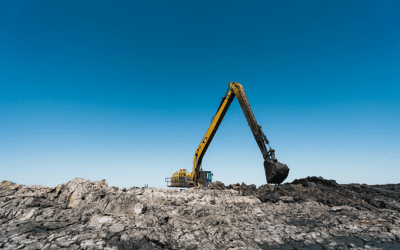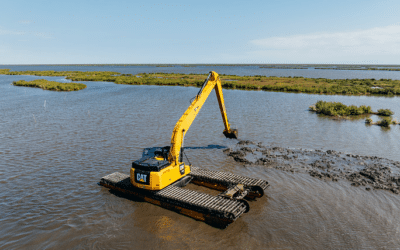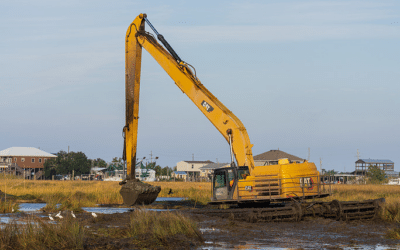
A Floating Excavator is designed for excavation projects where water access, stability, and mobility are essential. A Floating Excavator provides specialized capabilities that allow operators to complete tasks in areas where traditional equipment may not perform effectively. From deep water projects to wetland maintenance, these machines help improve productivity by providing reliable operation in challenging environments.
Choosing between a floating excavator and a standard amphibious digger depends on project conditions, water depth, terrain requirements, and the type of work being performed. While both machines are designed for difficult environments, they serve different purposes. Equipment solutions from Wilco Manufacturing are developed to support demanding applications where specialized excavation capabilities are required.
Understanding Floating Excavators
A floating excavator is a specialized machine designed to perform excavation work while operating on water or extremely wet terrain. Unlike standard excavators that require stable ground support, floating models are built with flotation systems that allow them to remain stable on water surfaces.
These machines are commonly used for projects involving:
• Waterway maintenance
• Dredging operations
• Canal cleaning
• Pond excavation
• River management
• Wetland projects
The ability to operate directly on water makes a floating excavator suitable for locations where conventional equipment cannot safely reach.
What Is an Amphibious Digger?
An amphibious digger is designed to operate on both land and water-based terrain. These machines combine excavator functionality with specialized undercarriage systems that improve flotation and movement across soft surfaces.
An amphibious digger is commonly used in:
• Swamps
• Marshes
• Muddy terrain
• Shallow water areas
• Wetland restoration projects
The main advantage of an amphibious excavator is versatility. It can move between land and water environments, making it suitable for projects where conditions change throughout the work area.
Floating Excavator vs Amphibious Digger: Key Differences
Although floating excavators and amphibious diggers are designed for challenging environments, their capabilities differ.
A floating excavator is generally better suited for projects where the machine must remain on water for extended periods. It provides enhanced flotation and stability for operations in deeper water environments.
An amphibious digger is more suitable when the project requires movement between land and shallow water areas.
The right choice depends on:
• Water depth
• Terrain conditions
• Project requirements
• Required mobility
• Type of excavation work
Understanding these differences helps operators choose equipment that matches their specific needs.
Importance of Equipment Maintenance
Specialized excavation equipment requires regular maintenance to maintain performance and reliability. Components must be designed to handle challenging conditions such as water exposure, mud, and demanding workloads.
Using quality replacement components helps support equipment longevity and reduce downtime.
For maintenance solutions and equipment support, operators can explore Hydratrek parts designed for amphibious and marsh equipment applications.
When Should You Choose a Floating Excavator?
There are several situations where choosing a floating excavator may provide better results than using a standard amphibious digger.
Deep Water Excavation Projects
One of the primary reasons to choose a floating excavator is when excavation work needs to be performed in deeper water. Standard machines may not provide enough stability when operating away from solid ground.
Floating excavators are designed to remain stable while working on water surfaces, making them useful for:
• River excavation
• Reservoir maintenance
• Lake dredging
• Waterway improvements
Their flotation capabilities allow operators to complete projects without requiring temporary access platforms or additional support equipment.
Large Scale Dredging Operations
Dredging projects often require equipment that can operate continuously in aquatic environments. A floating excavator provides the mobility and stability needed for removing sediment, debris, and other materials from waterways.
These machines are commonly used for:
• Removing accumulated sediment
• Maintaining navigation channels
• Improving water flow
• Supporting environmental projects
The ability to work directly on water helps reduce project delays and improves operational efficiency.
Projects With Limited Ground Access
Some locations do not provide suitable access points for traditional excavation equipment. Wetlands, lakes, and waterways may prevent standard machines from reaching the required work areas.
A floating excavator can provide access by operating directly from the water surface. This reduces the need for extensive site preparation and allows work to continue in difficult locations.
Environmental and Water Management Applications
Environmental projects often require equipment that can operate carefully in sensitive areas. Floating excavators help complete necessary work while reducing disturbance to surrounding environments.
Applications may include:
• Wetland restoration
• Habitat improvement
• Waterway maintenance
• Flood management
Choosing suitable equipment helps complete projects while maintaining better control over environmental impact.
When an Amphibious Digger May Be a Better Choice
While floating excavators offer advantages in aquatic environments, an amphibious digger may be more suitable for projects involving changing terrain.
An amphibious digger is often preferred when:
• The machine needs to travel between land and water
• The project involves shallow water
• The terrain includes mud and soft soil
• Versatility is a priority
These machines provide flexibility for projects where conditions are not limited to water-only operations.
Choosing the Right Equipment for Your Project
Selecting between a floating excavator and an amphibious digger requires careful consideration of project needs.
Important factors include:
• Working environment
• Water depth
• Required excavation capacity
• Project duration
• Equipment flexibility
For projects requiring dedicated aquatic operation, a floating excavator may provide better performance. For projects involving mixed terrain, an amphibious digger may offer greater flexibility.
Specialized marsh equipment solutions can help operators address challenging environments where standard machines may not be effective.
Benefits of Using a Floating Excavator
A floating excavator provides several advantages for specialized projects.
Improved Water Access
Floating excavators allow operators to work directly on water, making them valuable for projects where land-based equipment cannot reach.
Better Stability
Specialized flotation systems help maintain balance during excavation activities, allowing operators to perform tasks with greater control.
Reduced Equipment Limitations
Traditional excavators may require additional support when working near water. Floating equipment reduces these limitations by providing a platform designed for aquatic conditions.
Increased Productivity
By eliminating some access challenges, floating excavators can help improve workflow and reduce unnecessary delays.
Applications of Aquatic Excavators
An aquatic excavator is commonly used for projects involving water environments. These machines are designed to support excavation tasks where standard equipment may not provide sufficient performance.
Common applications include:
• Canal maintenance
• Waterway restoration
• Pond cleaning
• Marine construction support
• Sediment removal
The ability to operate in aquatic conditions makes these machines valuable for specialized industries.
Floating Mini Excavator Applications
A floating mini excavator provides similar capabilities in a smaller format. These machines are useful for projects that require maneuverability and access in smaller or restricted areas.
Floating mini excavators can be beneficial for:
• Small waterway projects
• Limited access locations
• Environmental maintenance
• Smaller excavation tasks
The compact design allows operators to complete specialized work while maintaining mobility.
Conclusion
Choosing between a Floating Excavator and a standard amphibious digger depends on the specific requirements of a project. Floating excavators are ideal for deep water operations, dredging, and projects where continuous water access is necessary. Amphibious diggers provide greater flexibility for areas that combine land, mud, and shallow water conditions.
Understanding the differences between these machines helps operators select equipment that improves productivity, safety, and project efficiency. For specialized excavation solutions and equipment guidance, you can contact Wilco Manufacturing to learn more about suitable options.
Frequently Asked Questions
Q1. What is a floating excavator?
A floating excavator is specialized equipment designed to perform excavation work while operating on water using flotation systems for stability and mobility.
Q2. How is a floating excavator different from an amphibious digger?
A floating excavator is designed mainly for water-based operations, while an amphibious digger is built to operate across both land and shallow water environments.
Q3. What projects use floating excavators?
Floating excavators are commonly used for dredging, waterway maintenance, canal cleaning, environmental projects, and aquatic excavation tasks.
Q4. Can a floating mini excavator work in small areas?
Yes, floating mini excavators are designed for smaller projects where maneuverability and access are important.
Q5. How do I choose between a floating excavator and an amphibious digger?
The choice depends on factors such as water depth, terrain conditions, project requirements, and whether the machine needs to operate mainly on water or across mixed environments.