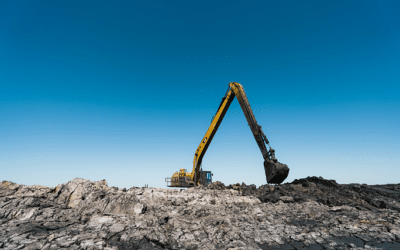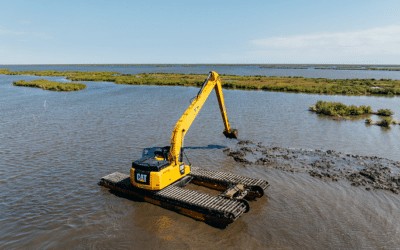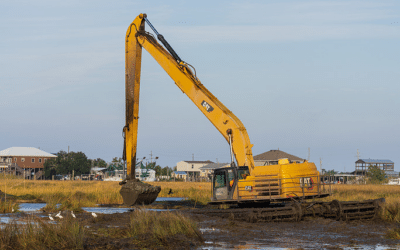
Large projects leave little room for equipment mistakes. When the site is wet, soft, or partly submerged, a standard machine may not be able to reach the work at all. Contractors who source an amphibious digger need to look beyond the basic specification and consider how the machine will perform across the full length of the job. This article covers the main factors to review before a purchase decision is made.
Define the Project Before Sourcing Equipment
Start with the scope. Large projects often involve high material volumes, long work areas, and tight schedules, so write down the tasks, the quantities, and the dates before contacting anyone. Record water depth across the seasons, soil layers, vegetation, and access points as well. Clear information lets everyone involved discuss the same facts and prevents specifications from drifting as the project grows.
Match Reach, Depth, and Capacity to the Work
Reach and digging depth determine how often the machine must reposition, and repositioning costs time on soft ground. Review these details:
- Boom and arm length: Longer reach covers more area from one position.
- Digging depth: Channel and dredging tasks may require significant depth.
- Lift capacity: The machine must handle a loaded bucket at full extension.
- Cycle speed: Hydraulic performance affects daily production on high-volume work.
Review Ground Pressure and Buoyancy
An aquatic excavator rides on pontoons that spread weight across a wide surface, so ground pressure and buoyancy deserve close review. Pontoons must carry the machine, attachments, fuel, and moved material with margin to spare. Lower ground pressure protects soft soil and reduces the chance of becoming stuck, while stable flotation keeps the machine level during heavy digging.
Plan for Transport and Launch
Large machines need careful logistics. Confirm the hauling route, trailer requirements, and loading method, and identify where a floating excavator will enter the water or soft ground. Launch points must be stable and, in many places, permitted. Plan the retrieval route as well, and schedule cleaning between sites to help prevent the spread of invasive species.
Look for an Experienced Supplier
Experience matters when equipment will work in remote wetlands for months. An amphibious excavator supplier should be able to explain specifications clearly, discuss configuration options, and describe how parts and technical questions are handled. Ask about delivery lead times, operator guidance, and how the supplier supports machines after they reach the field.
Consider Attachments and Versatility
Large projects rarely involve one task. Buckets, clamshells, mulching heads, and other attachments allow a single machine to dig, dredge, clear vegetation, and place material. Ask which attachments the machine can support and how each one affects weight, balance, and buoyancy. Fewer machines on site usually means simpler coordination and less contact with sensitive ground.
Consider Schedule and Seasonal Conditions
Large projects often span several seasons, and water levels can change the work environment quickly. Dry periods may expose more ground, while wet seasons bring deeper water and softer soil. Build the schedule around these shifts and around wildlife restrictions, and add contingency days for storms. Share the plan with engineers, surveyors, and permitting staff so each phase fits together without gaps.
Plan for Maintenance and Parts
Remote work makes downtime costly. Review service intervals, common wear items, and parts availability before the machine arrives. Inspect pontoons, drive components, hydraulic lines, and fuel systems before every shift. Keeping a small stock of critical parts on site can shorten repairs when a breakdown occurs far from a shop.
Budget for the Full Cost of Ownership
Purchase price is only part of the cost picture. Fuel use, routine maintenance, replacement parts, transport, and operator training all add to the total over the life of the machine. Estimate how many working hours the machine will log each year, and ask for expected service intervals. A realistic budget prevents surprises and supports steady project cash flow.
Address Permits and Environmental Requirements
Wetland work in the United States usually involves review by federal, state, and local agencies, often under the Clean Water Act. Permits can limit dredge volume, work windows, disposal methods, and erosion control, so review conditions before choosing a method. Low ground pressure and reduced need for temporary roads can support environmental goals. Photographs and daily logs help show that the work followed approved plans.
Prepare Crews and Prioritize Safety
Soft ground and open water create risks that standard earthmoving does not. Operators should understand buoyancy limits and stability with the boom extended, and crews should carry flotation devices and radios. Establish an emergency plan with clear meeting points, and review it with every shift before work begins.
Questions to Ask Before You Commit
Before committing, gather clear answers on these points:
- Specifications: What are the reach, depth, ground pressure, and buoyancy ratings?
- Configuration: Which attachment options are available?
- Support: How are parts, service, and technical questions handled?
- Delivery: What is the lead time, and how is the machine shipped?
- Training: Is operator guidance available for first use?
Written answers help project teams document the reasoning behind the decision for owners, lenders, and inspectors.
Final Thoughts on Sourcing Wetland Equipment
A successful purchase follows from thorough questions about the project, the terrain, the machine, and the support behind it. Contractors who answer these early avoid costly changes once work is underway. Careful preparation protects the surrounding wetland habitat and nearby communities. To discuss an amphibious digger for your next large project, contact Wilco Manufacturing, LLC.
Frequently Asked Questions
Q1. What is an amphibious digger?
An amphibious digger is an excavator mounted on buoyant pontoons so it can work on soft ground, in shallow water, and across the boundary between them. It allows crews to dig, dredge, and grade without building access roads first.
Q2. What does an amphibious excavator supplier provide?
An amphibious excavator supplier typically provides machine specifications, configuration options, delivery coordination, parts, and technical support. Ask for details on each before making a purchase.
Q3. Where is an aquatic excavator used?
An aquatic excavator is used in wetlands, canals, shorelines, and flooded ground. Common tasks include dredging, channel maintenance, shoreline restoration, and pipeline corridor work.
Q4. Does a floating excavator need access roads?
Often, no. Because a floating excavator can travel across soft ground and shallow water, many projects avoid building temporary roads or timber mat systems. This can save time and reduce disturbance to the site.
Q5. Do wetland projects need permits?
In most cases, yes. Wetland work in the United States commonly involves federal, state, and local review. Requirements vary by location and project type, so confirm details with the appropriate agencies before work begins.