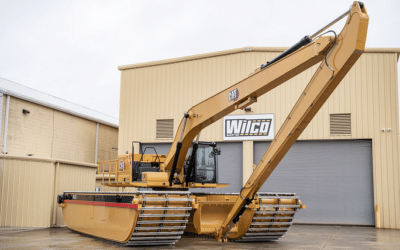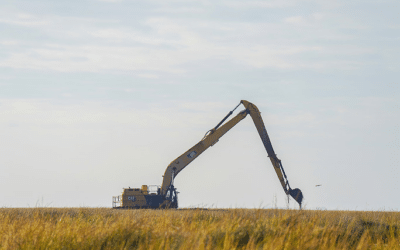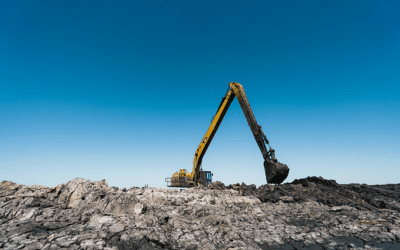
Land development often reaches places that are wet, soft, and overgrown. Clearing that ground with conventional machines can be slow, costly, and harmful to the site. A swamp dozer is built for this kind of terrain, using wide pontoons and a drive system that keeps the machine on top of mud and shallow water. This article explains where these machines are used, what they do, and how to plan for them.
Why Wet Land Is Hard to Clear
Developers face saturated soil, standing water, and thick vegetation before a single foundation is poured. Heavy tracked machines sink, and hauling in fill to build temporary roads adds time and expense. Stuck equipment can halt a schedule for days. Machines with large flotation surfaces avoid these problems by spreading weight over a wide area. Each of these obstacles raises cost and risk, which is why equipment selection matters from the very start of project planning.
How a Swamp Dozer Works
A swamp dozer pairs a pushing or grading blade with buoyant pontoons and a drive system designed for traction in mud. Operators can push debris, shape ground, and open drainage paths while floating or riding the surface. The machine does not need a firm base, which lets crews begin work before the site has dried or been stabilized.
Land Development Tasks It Supports
Developers use these machines for a range of early-stage tasks:
- Land clearing: Removing brush, small trees, and matted vegetation ahead of construction.
- Grading: Shaping soft ground to prepare building pads and access areas.
- Drainage work: Opening ditches and channels so water moves off the site.
- Debris removal: Clearing fallen timber and storm debris after floods.
- Berm building: Pushing soil into low ridges that control water flow.
Completing these tasks with one machine reduces the number of vehicles that cross sensitive ground.
Industries and Projects That Benefit
Residential and commercial developers use a swamp bulldozer to prepare low-lying parcels near rivers, bayous, and coastal areas. These sites are often attractive because of their location, but they require careful ground preparation before building can begin.
Energy and utility companies also depend on this type of machine. Pipeline routes, power line corridors, and access canals frequently cross marsh and swamp, and crews must clear vegetation and maintain easements throughout the year. Conservation groups use similar machines to remove invasive plants and restore natural water flow.
Protecting the Site While Clearing
Clearing wet land carries environmental responsibilities. Low ground pressure helps protect soil structure, and working directly from the machine reduces the need for temporary roads. In the United States, wetland work usually involves review by federal, state, and local agencies, often under the Clean Water Act. Permits can limit work windows, disposal methods, and erosion control, so teams should review conditions before choosing a clearing method. Photographs and daily logs help show that the work followed approved plans.
Timing the Work Around Water and Seasons
Water levels change through the year, and timing can decide how smoothly clearing goes. Dry periods may expose more ground, while wet seasons bring deeper water and softer soil. Because a floating machine can work in both, crews have flexibility, but breeding seasons and permit windows may still restrict activity. Build the schedule around these limits early. Share it with engineers, surveyors, and permitting staff so that clearing, grading, and later construction phases fit together without gaps.
What Happens After Clearing
Clearing is only the first stage. Once vegetation and debris are removed, surveyors confirm grades, engineers finalize drainage plans, and crews begin placing fill or building foundations. Machines that can also shape ground and push soil into berms help bridge this stage, since the same platform can continue working as the site changes. Careful documentation of cleared areas, disposal locations, and drainage features also supports inspections and future maintenance.
Questions to Ask Before Acquiring a Machine
Project length shapes how a team obtains equipment. A contractor handling a one-off clearing project may need to rent a swamp dozer and consider its availability, delivery, and operator requirements.
Companies with ongoing wetland work often assess their long-term equipment needs. Useful questions include:
- Ground pressure: Will the machine protect the soft soil on your sites?
- Blade and reach: Does the configuration suit your typical clearing and grading tasks?
- Serviceability: Are parts and technical support available for remote locations?
- Transport: Can the machine be hauled, launched, and retrieved with your current resources?
- Training: Are operators prepared for buoyancy limits and stability on soft ground?
Planning and Safety on Soft Ground
A site survey should record water levels, soil layers, vegetation, access points, and protected areas. Build the schedule around seasonal water conditions and any wildlife restrictions, and add contingency days for storms. Crews should carry flotation devices and radios, and inspect pontoons, drive components, and hydraulic lines before every shift. Downtime in a remote wetland is slow to resolve, so confirming parts and support before mobilizing keeps the project moving.
Final Thoughts on Land Development in Wet Terrain
Wet and overgrown land can be developed with the right preparation and the right equipment. Understanding the terrain, the regulations, and the scope of work leads to better decisions. To learn more about a swamp dozer for your next project, contact Wilco Manufacturing, LLC.
Frequently Asked Questions
Q1. What is a swamp dozer?
A swamp dozer is a machine built to clear and grade land in swamps, marshes, and other soft or flooded terrain. It uses buoyant pontoons and a specialized drive system to move across ground that would trap standard equipment.
Q2. What can a swamp bulldozer do on a development site?
A swamp bulldozer can clear brush, push debris, grade soft ground, open drainage paths, and build low berms. It allows crews to prepare wet parcels without building temporary access roads first.
Q3. When might a team look into swamp dozer hire?
Teams often consider swamp dozer hire for short projects, such as a single parcel clearing or a one-time storm cleanup. Confirm delivery, operator requirements, and site conditions before scheduling.
Q4. What should I consider when looking at a swamp dozer for sale?
When reviewing a swamp dozer for sale, consider ground pressure, blade configuration, serviceability, transport needs, and operator training. Matching these factors to your typical projects supports reliable results.
Q5. Do I need a permit to clear wetland?
In most cases, yes. Wetland work in the United States commonly involves federal, state, and local review. Requirements vary by location and project type, so confirm details with the appropriate agencies before work begins.