A Marsh Runner is specialized equipment designed to provide access across soft, wet, muddy, and difficult terrain where conventional vehicles may have limited mobility. Before searching for a Marsh Runner for sale, it is important to understand how the vehicle will be used, what type of terrain it needs to cross, and what equipment it must carry. A Marsh Runner can support personnel transportation, cargo movement, fuel transportation, vegetation management, and maintenance activities in challenging environments.
Wilco Manufacturing provides information about amphibious equipment designed for difficult terrain. The company’s equipment range includes Marsh Runner vehicles and amphibious excavators, allowing project teams to consider different solutions according to their specific site requirements.
Understand What a Marsh Runner Is
A Marsh Runner is a specialized marsh vehicle intended for operating in environments where ordinary trucks and utility vehicles may have difficulty maintaining access. These environments can include wetlands, marshes, muddy areas, soft ground, and remote rights of way.
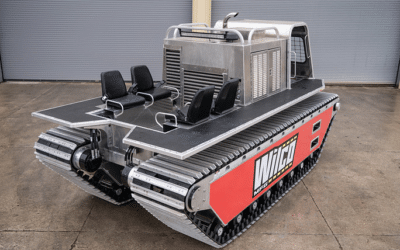
The Wilco Marsh Runner is described as a lightweight amphibious personnel carrier and is used for applications including pipeline and powerline right of way maintenance, vegetation control, personnel transportation, fuel transportation, and cargo transportation. Its aluminum construction is intended to keep the vehicle relatively lightweight, and the equipment can be towed with a properly equipped pickup truck.
Before looking for a Marsh Runner for sale, determine whether your main requirement involves transportation, maintenance access, vegetation management, cargo movement, or another field application.
Identify the Operating Environment
The terrain where the vehicle will operate should be one of the first factors considered. Wetland conditions can vary considerably depending on soil composition, water levels, vegetation, weather, and seasonal changes.
Consider whether the vehicle will operate across:
- Wetlands
- Marshes
- Muddy ground
- Soft soil
- Shallow water
- Pipeline rights of way
- Powerline corridors
- Remote maintenance areas
- Uneven or undeveloped terrain
A vehicle suitable for one type of wetland environment may not necessarily be appropriate for another. A site assessment can help determine the mobility and configuration required.
Consider Wet and Waterlogged Conditions
Water conditions should be assessed before choosing a Marsh Runner. A project may involve saturated soil, shallow water, standing water, or a combination of wet and firm terrain.
Do not assume that every marsh vehicle has identical operating capabilities. Review the manufacturer’s specifications and operating limitations for the particular configuration.
The project’s expected water depth, soil conditions, payload, and travel requirements should all be considered together.
Think About Transportation to the Job Site
Transportation requirements should be considered before purchasing equipment. A Marsh Runner may operate in terrain that conventional vehicles cannot access, but it still needs to be transported to the work location.
Review the vehicle’s dimensions, weight, towing requirements, loading procedures, and transportation equipment.
The Wilco Marsh Runner is described as a lightweight unit that can be towed using a properly equipped pickup truck. However, transportation requirements should still be evaluated according to the specific configuration and towing equipment being used.
If the equipment will move between multiple job sites, transportation can become an important part of the overall operating plan.
Review Maintenance Requirements
Maintenance should be considered before purchasing any specialized marsh vehicle.
Review the recommended service intervals and identify the systems that require regular inspection. These may include the engine, drivetrain, mobility components, hydraulic equipment, electrical systems, attachments, and structural components.
For used equipment, request service records whenever they are available. Maintenance records can reveal previous repairs, recurring problems, component replacements, and upcoming service requirements.
It is also useful to determine whether replacement parts and technical support are available for the specific configuration.
Compare New and Used Equipment
When searching for a Marsh Runner for sale, buyers may encounter new and used equipment. Each option should be assessed according to the project’s requirements and the actual condition of the equipment.
New equipment generally provides a known configuration and current specifications. Used equipment requires a closer review of operating hours, service history, structural condition, mechanical systems, and previous modifications.
Rather than comparing only the purchase condition, consider the expected operating environment and maintenance requirements over the equipment’s intended service period.
Consider Future Project Requirements
Current requirements may not remain the same throughout the equipment’s working life. A project may initially require personnel transportation but later require vegetation management, cargo movement, or additional field maintenance.
Consider whether additional attachments may be useful in the future and whether the vehicle’s configuration can accommodate them.
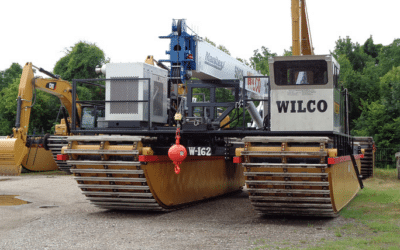
The available Marsh Runner options demonstrate how different attachments can be used for different applications. Planning around future requirements can help determine which configuration is appropriate.
Consider Other Amphibious Equipment
A Marsh Runner may not be the only type of equipment appropriate for a wetland project. Some applications require excavation, dredging, material handling, or other specialized capabilities.
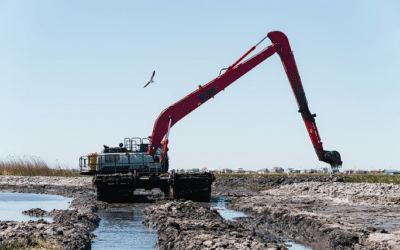
An amphibious excavator manufacturer can provide equipment designed to combine excavation capabilities with mobility across soft ground and shallow water. Amphibious excavators are used in applications such as environmental restoration, dredging, waterway maintenance, and other projects where conventional excavators may face access limitations.
The choice between a Marsh Runner, amphibious excavator, or another marsh vehicle should be based on the specific tasks and site conditions.
Ask Questions Before Purchasing
Before making a decision, prepare questions related to the vehicle’s configuration, operating conditions, payload, attachments, maintenance, transportation, and service history.
For used equipment, ask about operating hours, previous applications, modifications, major repairs, and component replacements.
For new equipment, confirm the available configurations, attachment compatibility, technical specifications, maintenance requirements, and transportation considerations.
Providing detailed information about your project can also make it easier to determine which equipment configuration is appropriate.
Final Thoughts
Looking for a Marsh Runner for sale should begin with a clear understanding of the project’s actual requirements. Terrain, water conditions, payload, passenger capacity, attachments, mechanical condition, transportation, and maintenance all influence whether a particular marsh vehicle is suitable.
A detailed evaluation is more useful than comparing equipment based only on appearance or general specifications. For used equipment, service records and physical inspections are particularly important.
If you need additional information about equipment specifications or want to discuss your project requirements, Contact us with details about the terrain, payload, application, and expected operating conditions.
Frequently Asked Questions
1. What is a Marsh Runner used for?
A Marsh Runner is used for transportation and field access across soft, muddy, wet, and difficult terrain. Applications can include personnel transportation, cargo movement, fuel transportation, vegetation management, and pipeline or powerline maintenance.
2. What should I consider before looking for a Marsh Runner for sale?
Consider the terrain, water conditions, payload, passenger requirements, attachments, mobility requirements, transportation needs, maintenance requirements, and intended application.
3. Can a Marsh Runner carry attachments?
Yes. Different Marsh Runner configurations can accommodate various attachments and accessories. Available options include cutters, roller choppers, ditching equipment, anchor setters, backhoes, spray rigs, and other accessories.
4. Is a Marsh Runner the same as an amphibious excavator?
No. A Marsh Runner is primarily associated with transportation and access, while an amphibious excavator is designed for excavation and material handling in soft or wet terrain. The appropriate choice depends on the project’s required tasks.
5. What should I inspect when considering used equipment?
Inspect the structural components, engine, drivetrain, mobility system, electrical components, attachments, and other major systems. Also review operating hours, service records, previous repairs, modifications, and replacement part availability.