Introduction
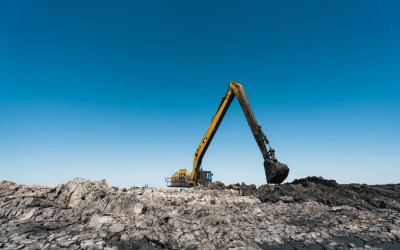
Marsh buggy excavators have become an essential piece of equipment for wetland construction, riverbank maintenance, forestry work, and other challenging terrain projects. Unlike traditional excavators, these amphibious machines are designed to operate efficiently in swampy, soft, or waterlogged environments where standard tracked or wheeled machinery would bog down or become unusable. For buyers searching for a marsh buggy excavator for sale, understanding the technical specifications, floating excavator price, and overall capabilities is crucial to making an informed investment.
Key features to evaluate include the flotation design, engine power, hydraulic performance, track width, and load‑handling capacity. Reputable manufacturers, such as Wilco Manufacturing, have a long history of producing durable, purpose‑built marsh buggies with customizable attachments that improve productivity on tough sites.
What is a Marsh Buggy Excavator?
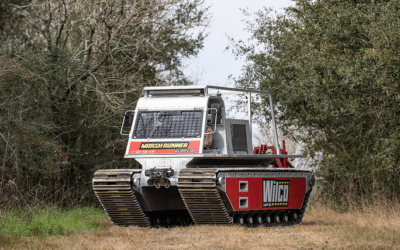
A marsh buggy excavator is a type of amphibious excavator engineered to navigate wetlands, marshes, and shallow water areas. Its specialized undercarriage, typically featuring pontoons or track systems, allows it to maintain stability and traction in soft terrain where standard machines would get stuck.
These machines are used in a variety of applications, including:
- Wetland restoration projects
- Canal and river maintenance
- Flood control operations
- Environmental construction projects
Understanding how a marsh buggy works helps buyers evaluate whether it meets the specific demands of their projects.
Key Features to Consider
When evaluating a marsh buggy excavator for sale, focus on the following core features:
1. Marsh Buggy Specs
Knowing the technical specifications of the machine is fundamental. Key specs to consider include:
| Specification | Typical Range | Importance |
| Operating Weight | 8–20 tons | Determines transport and terrain adaptability |
| Engine Power | 70–150 hp | Affects digging efficiency and fuel consumption |
| Maximum Digging Depth | 3–6 meters | Critical for excavation tasks |
| Arm Reach | 5–9 meters | Impacts operational flexibility |
| Track Width & Floatation | 1.5–2.5 meters | Ensures stability in soft soil |
| Swing Speed | 10–15 rpm | Influences productivity |
Understanding the marsh buggy specs allows you to compare different models and choose one suitable for your specific wetland environment.
2. Amphibious Excavator Supplier Reputation
Choosing the right amphibious excavator supplier is just as important as the machine itself. A reputable supplier provides:
- Transparent product information
- Maintenance support and spare parts
- Technical guidance for marsh buggy operation
Check reviews, certifications, and past projects handled by the supplier to ensure reliability.
3. Floating Excavator Price
Cost is a critical factor when purchasing a marsh buggy. The floating excavator price can vary depending on:
- Machine size and engine power
- Additional attachments like clamshells or hydraulic hammers
- Whether the unit is new or used
4. Maintenance and Operating Costs
Marsh buggy excavators operate in harsh conditions, so maintenance is crucial. Buyers should consider:
- Frequency of routine servicing
- Availability of replacement parts
- Fuel efficiency
- Track and pontoon durability
Selecting a machine with lower operating costs and easier maintenance can save significant time and money over the life of the equipment.
Buyer Checklist Before Purchasing
To streamline the decision-making process, here’s a practical checklist for buyers:
- Verify Machine History – For used machines, check hours of operation, maintenance records, and any past accidents.
- Inspect the Undercarriage – Look for wear on tracks or pontoons, as repairs can be expensive.
- Test Digging Performance – Evaluate arm reach, bucket capacity, and swing speed on soft terrain.
- Assess Engine and Hydraulics – Confirm the engine is in good condition and hydraulic systems function properly.
- Check Safety Features – Ensure ROPS/FOPS cab protection, emergency shut-off, and visibility.
- Compare Prices and Specs – Review multiple suppliers for competitive floating excavator prices and technical specifications.
- Warranty and Support – Confirm the supplier offers technical support, spare parts availability, and warranty coverage.
Following this checklist ensures you make a purchase that aligns with your project requirements and budget.
Common Applications of Marsh Buggy Excavators
Marsh buggies are versatile machines used in wetland construction, riverbank stabilization, forestry operations, pipeline and utility installation, environmental restoration projects, flood control, dredging, and other tasks requiring reliable access to soft, swampy, or waterlogged terrain.
Their amphibious design, similar to a HydraTrek amphibious vehicle, allows for safe and efficient operation in areas inaccessible to standard machinery, making them ideal for both industrial and conservation applications.
- Wetland Excavation – For environmental restoration and conservation projects.
- Flood Control – Building dikes, dredging rivers, or clearing channels.
- Industrial Construction – Road and bridge foundations in soft terrains.
- Oil & Gas or Mining – Accessing marshy or waterlogged areas.
Understanding the intended application helps determine the appropriate specs and attachments.
Advantages and Limitations
Advantages
- Enhanced Mobility: Can navigate soft, swampy, and waterlogged terrain.
- Reduced Environmental Impact: Spreads weight across tracks/pontoons to minimize soil disturbance.
- Versatility: Suitable for a range of attachments and project types.
Limitations
- Higher Initial Cost: More expensive than standard excavators.
- Maintenance Needs: Tracks and hydraulics can require frequent service.
- Slower Speed on Solid Ground: Designed primarily for soft terrain.
Knowing these pros and cons helps buyers set realistic expectations.
Conclusion
Purchasing a marsh buggy excavator is a significant investment that requires careful consideration of marsh buggy specs, supplier reputation, floating excavator price, and long-term maintenance. By following the checklist outlined above, buyers can make an informed decision that ensures operational efficiency and longevity.
Whether for environmental restoration, flood control, or industrial applications, a well-chosen marsh buggy excavator provides unparalleled access to challenging terrains while maintaining safety and productivity.
For more information or to discuss your specific project needs, Contact us today to speak with a Wilco Manufacturing representative.
Frequently Asked Questions
What is the difference between a marsh buggy and a standard excavator?
A marsh buggy is specifically designed for soft, waterlogged terrain with pontoons or wide tracks, while standard excavators are suited for solid ground.
How much does a marsh buggy excavator cost?
Prices vary from approximately $100,000 to over $300,000, depending on size, engine power, and attachments.
Can marsh buggies operate in deep water?
Most marsh buggies are designed for shallow water and marshy terrain. For deeper water, specialized amphibious excavators are recommended.
Do suppliers offer training for operators?
Reputable amphibious excavator suppliers often provide training or instructional materials for safe and efficient operation.
What maintenance is required for these machines?
Routine inspection of the undercarriage, hydraulic systems, and engine is essential. Fuel efficiency and track integrity should also be monitored regularly.