Operating in wetlands, marshes, swamps, and other challenging environments requires specialized equipment that can navigate terrain inaccessible to conventional machinery. For many commercial projects, choosing between a marsh runner rental and purchasing equipment outright is an important financial and operational decision.
When evaluating a marsh runner rental, companies often consider project duration, budget limitations, equipment utilization rates, and maintenance requirements. A marsh runner rental can reduce upfront capital investment, but purchasing may become more economical over time depending on usage frequency. The decision should be based on a comprehensive assessment of operational goals rather than simply comparing initial costs.
Businesses seeking information about amphibious equipment solutions can explore available resources through Wilco Manufacturing, where equipment options and industry applications are discussed in greater detail.
Understanding Marsh Runner Equipment
Marsh runners are designed to operate in environments where traditional wheeled or tracked equipment cannot function effectively. These machines are commonly used in industries such as:
- Environmental restoration
- Pipeline construction
- Utility maintenance
- Oil and gas operations
- Wetland conservation
- Dredging projects
- Water management
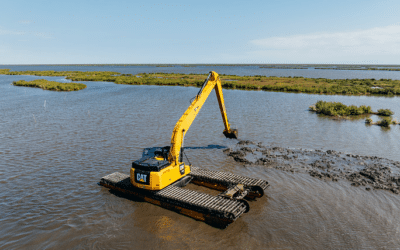
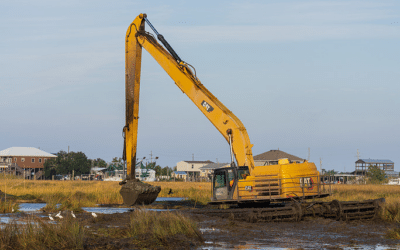
As a type of amphibious utility vehicle, a marsh runner can travel across soft ground, shallow water, and marshy terrain while carrying personnel, tools, and equipment.
Because these machines are purpose built for specialized environments, acquiring access to the right equipment requires careful planning and budgeting.
When Marsh Runner Rental Makes Sense
For many commercial operations, renting equipment is the most practical option. A marsh runner rental allows companies to access specialized machinery without committing significant capital to ownership.
Rental solutions are often ideal when:
- Projects have a defined start and end date
- Equipment demand is seasonal
- Budget flexibility is limited
- Equipment usage is infrequent
- Maintenance resources are unavailable internally
For example, a contractor performing a six month wetland restoration project may find that renting provides access to the required equipment without the long term financial commitment of ownership.
Organizations evaluating temporary project requirements can review available marsh runner rental options through Marsh Runner Rental Solutions to better understand how rental programs support short term operations.
Advantages of Renting
Lower Initial Investment
One of the biggest advantages of renting is the avoidance of a large upfront purchase expense. Companies can allocate capital toward project execution rather than equipment acquisition.
Reduced Maintenance Responsibility
Rental agreements often simplify equipment management. Depending on the arrangement, maintenance support and service assistance may be available through the rental provider.
Access to Modern Equipment
Rental fleets are frequently updated, allowing operators to use current equipment models without worrying about depreciation or replacement schedules.
Greater Operational Flexibility
Companies can scale equipment needs according to project demands. Additional units may be added during peak activity and returned when no longer required.
When Purchasing Makes Sense
Although renting offers flexibility, purchasing may provide stronger long term value for organizations with consistent equipment needs.
Ownership becomes increasingly attractive when:
- Equipment is used throughout the year
- Multiple projects require the same machinery
- Long term operational planning is in place
- Equipment availability must be guaranteed
- Rental expenses would exceed ownership costs over time
For organizations regularly working in wetlands or remote environments, purchasing may reduce overall operating expenses across multiple projects.
Comparing Long Term Costs
The true comparison between rental and ownership extends beyond the initial price tag.
Rental Costs
Rental expenses generally include:
- Equipment rental fees
- Transportation charges
- Insurance requirements
- Project specific usage costs
These expenses remain predictable but accumulate over time if equipment is needed frequently.
Ownership Costs
Purchasing equipment introduces additional considerations:
- Initial acquisition cost
- Financing expenses
- Maintenance costs
- Storage requirements
- Insurance
- Depreciation
While ownership requires greater upfront investment, the equipment becomes a long term asset that may continue generating value for years.
A thorough cost analysis should compare projected rental expenditures against the total cost of ownership over the anticipated operational period.
Equipment Utilization and Return on Investment
Equipment utilization is often the most important factor when determining whether to rent or buy.
If a marsh runner is needed only a few months per year, rental may offer the better financial outcome. However, organizations that consistently operate in wetlands may achieve a stronger return on investment through ownership.
Questions to consider include:
- How many projects require amphibious equipment annually?
- What is the expected duration of each project?
- Will equipment be shared across departments?
- How frequently will the machine be idle?
The answers can significantly influence the financial outcome of either option.
Marsh Runner for Sale Considerations
Organizations exploring a marsh runner for sale should evaluate more than purchase price alone.
Important considerations include:
- Equipment specifications
- Payload capacity
- Terrain compatibility
- Service support
- Replacement parts availability
- Expected lifecycle
A lower purchase price may not necessarily result in lower operational costs if maintenance requirements are higher or productivity is reduced.
Before investing in a marsh runner for sale, businesses should assess how the equipment aligns with long term project demands.
Marsh Equipment for Sale and Fleet Planning
Many organizations view equipment ownership as part of a broader fleet management strategy. Evaluating available marsh equipment for sale can help companies build a fleet that supports future growth and operational expansion.
Fleet planning should include:
- Anticipated project volume
- Geographic operating regions
- Maintenance capabilities
- Operator training requirements
- Equipment replacement schedules
Purchasing equipment without a clear utilization strategy can increase costs and reduce overall efficiency.
Amphibious Utility Vehicles and Specialized Operations
Marsh runners are part of a larger category of amphibious utility vehicles designed for challenging environments. These vehicles play an important role in industries where conventional equipment cannot safely operate.
Common applications include:
- Wetland restoration
- Environmental remediation
- Utility infrastructure maintenance
- Flood control projects
- Waterway management
- Habitat preservation
The ability of amphibious utility vehicles to access difficult terrain often improves project efficiency while reducing environmental impact.
Additional Equipment Requirements
Many projects require more than transportation equipment alone. Dredging, excavation, and environmental management operations may depend on multiple specialized systems working together.
For projects involving sediment management or waterway restoration, organizations may also evaluate equipment such as amphibious dredging systems. Information about these solutions can be found through Amphibious Dredge Unit Information.
Evaluating the entire equipment ecosystem helps ensure that all project requirements are addressed effectively.
Operational Risks and Equipment Availability
One often overlooked factor in the rental versus purchase debate is equipment availability.
Rental fleets may experience high demand during peak construction or environmental restoration seasons. As a result, preferred equipment may not always be immediately available.
Ownership eliminates this concern by ensuring that equipment remains accessible whenever projects require it.
However, organizations must balance this advantage against the responsibilities associated with maintenance, storage, and lifecycle management.
Making the Right Decision
There is no universal answer to the rental versus purchase question. The best choice depends on project requirements, financial objectives, and long term operational strategy.
Rental is often the preferred solution for:
- Short term projects
- Seasonal operations
- Limited equipment usage
- Lower capital investment goals
Purchasing is often preferred for:
- Frequent equipment use
- Long term operational planning
- Fleet development strategies
- Guaranteed equipment availability
Decision makers should conduct a detailed cost comparison that accounts for utilization rates, maintenance expenses, transportation costs, and future project requirements.
Conclusion
Choosing between a marsh runner rental and purchasing equipment requires careful evaluation of both financial and operational considerations. While rental solutions provide flexibility and reduced upfront investment, ownership can offer stronger long term value when equipment usage remains consistent over time.
Businesses seeking additional information about equipment options, project requirements, or operational planning can connect with industry specialists through Contact Wilco Manufacturing.
Frequently Asked Questions
Q1. Is marsh runner rental more affordable than purchasing?
A marsh runner rental is often more affordable for short term or seasonal projects. Long term projects with frequent equipment use may benefit more from ownership.
Q2. When should a company consider a marsh runner for sale?
A company should consider a marsh runner for sale when equipment will be used regularly across multiple projects and long term operational planning supports ownership.
Q3. What industries commonly use amphibious utility vehicles?
Industries such as environmental restoration, oil and gas, utilities, dredging, water management, and wetland conservation commonly use amphibious utility vehicles.
Q4. What factors should be considered when evaluating marsh equipment for sale?
Key factors include purchase price, maintenance requirements, service support, payload capacity, expected lifecycle, and compatibility with project needs.
Q5. How can businesses determine whether renting or buying is the better option?
Businesses should compare projected rental costs against total ownership expenses, including maintenance, insurance, transportation, storage, and utilization rates over time.