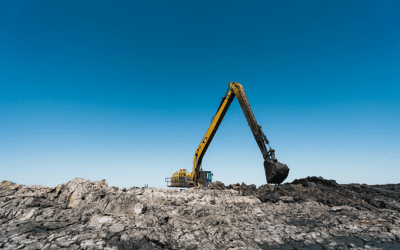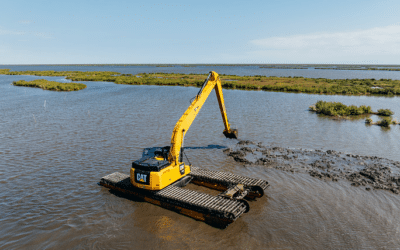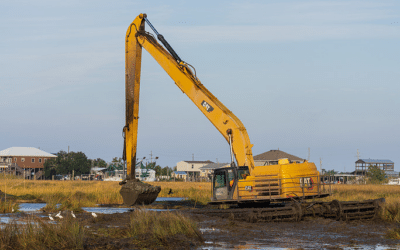
Amphibious machines operate in some of the most demanding environments found in industrial applications. Wetlands, marshes, coastal regions, dredging sites, and flood control projects expose equipment to water, mud, salts, chemicals, and abrasive materials on a daily basis.
Unlike conventional construction machinery, amphibious equipment must withstand continuous transitions between land and water. This unique operating environment creates corrosion risks that require careful engineering consideration. Manufacturers and equipment owners increasingly rely on specialized alloys, protective coatings, galvanization processes, and composite technologies to improve performance and longevity.
Organizations seeking information about amphibious equipment applications and engineering solutions can explore additional resources through Wilco Manufacturing.
Why Material Selection Matters in Amphibious Equipment
Material selection forms the foundation of equipment durability. Every component, from structural frames to hydraulic systems, faces exposure to moisture, oxygen, contaminants, and mechanical stress.
In amphibious environments, several corrosion mechanisms can occur simultaneously:
- Atmospheric corrosion
- Galvanic corrosion
- Crevice corrosion
- Pitting corrosion
- Abrasion related degradation
- Chemical attack
The consequences of material failure can be significant, including increased maintenance costs, unexpected downtime, reduced operational efficiency, and safety concerns.
Selecting appropriate materials is therefore not simply an engineering preference but an operational necessity.
Understanding Corrosion Challenges
Corrosion occurs when materials react with their surrounding environment and gradually deteriorate. In amphibious applications, the corrosion process is often accelerated due to constant exposure to water and fluctuating environmental conditions.
Factors that contribute to corrosion include:
- Saltwater exposure
- High humidity
- Dissolved oxygen
- Temperature fluctuations
- Pollutants and chemicals
- Mechanical wear
When corrosion protection is not adequately addressed, structural components may lose strength, hydraulic systems can become compromised, and maintenance requirements increase substantially.
The Role of Carbon Steel in Amphibious Equipment
Carbon steel remains one of the most commonly used materials in heavy equipment construction. Its strength, availability, and cost effectiveness make it attractive for structural applications.
However, untreated carbon steel is highly susceptible to corrosion in wet environments. For this reason, additional protection methods are typically required.
Common protective approaches include:
- Galvanization
- Protective coatings
- Cathodic protection systems
- Routine maintenance programs
These methods help extend service life while maintaining structural performance.
Galvanization as a Corrosion Protection Strategy
Galvanization is one of the most widely used corrosion protection techniques in industrial equipment manufacturing.
The process involves applying a protective zinc layer to steel surfaces. This zinc coating serves two important functions:
- It acts as a physical barrier against moisture and oxygen.
- It provides sacrificial protection if the coating becomes damaged.
Even when scratches expose underlying steel, the surrounding zinc continues protecting the exposed area through electrochemical action.
Galvanization offers several benefits:
- Long service life
- Reduced maintenance requirements
- Reliable corrosion resistance
- Cost effective protection
For components exposed to frequent moisture, galvanization remains a proven solution.
Material Considerations for Amphibious Excavators
Amphibious excavators operate under particularly demanding conditions due to their exposure to water, mud, and abrasive sediments.
Equipment designers must balance:
- Structural strength
- Corrosion resistance
- Weight considerations
- Serviceability
- Lifecycle costs
Information about amphibious excavator applications and engineering requirements can be found through Amphibious Excavator Solutions.
The demanding nature of excavation operations makes material selection especially important for maintaining reliability and minimizing downtime.
Composite Materials and Weight Reduction
The use of composite materials has expanded significantly across various industrial sectors. In amphibious equipment, composites offer several advantages compared to traditional metallic materials.
Composite materials can provide:
- Reduced weight
- Corrosion resistance
- High strength to weight ratios
- Improved durability
- Lower maintenance requirements
Because composites do not rust, they are particularly useful in environments where continuous moisture exposure presents challenges.
Applications may include:
- Access panels
- Protective covers
- Buoyancy structures
- Equipment housings
While composites may not replace structural steel in every application, they increasingly complement traditional materials in corrosion sensitive areas.
Protective Coatings for Long Term Durability
Coatings remain one of the most effective tools for corrosion prevention. Modern coating systems are specifically engineered to withstand harsh environmental conditions.
Protective coatings function by creating a barrier between the underlying material and the surrounding environment.
Common coating systems include:
- Epoxy coatings
- Polyurethane coatings
- Zinc rich primers
- Ceramic reinforced coatings
- Marine grade paint systems
Proper coating selection depends on several factors:
- Exposure conditions
- Chemical environment
- Abrasion levels
- Temperature range
- Maintenance schedules
A well designed coating system can dramatically extend equipment service life.
Sacrificial Anodes and Cathodic Protection
One of the most effective corrosion mitigation methods used in marine and amphibious applications involves sacrificial anodes.
Sacrificial anodes are typically manufactured from metals such as:
- Zinc
- Aluminum
- Magnesium
These materials are intentionally designed to corrode before the protected equipment structure.
This process is known as cathodic protection.
When installed correctly, sacrificial anodes help reduce corrosion rates on critical steel components and can significantly extend operational lifespan.
The technique is especially useful in environments involving prolonged water exposure.
Material Compatibility and Galvanic Corrosion
Engineers must carefully evaluate material compatibility when designing amphibious equipment.
Galvanic corrosion occurs when dissimilar metals are electrically connected in the presence of an electrolyte such as water.
Common examples include:
- Aluminum connected to steel
- Stainless steel connected to carbon steel
- Copper alloys connected to aluminum
If not properly managed, galvanic corrosion can accelerate material degradation.
Mitigation strategies include:
- Electrical isolation
- Protective coatings
- Material selection optimization
- Use of sacrificial anodes
Proper design practices help minimize these risks.
Hydraulic Undercarriages and Corrosion Resistance
Hydraulic undercarriage systems represent another area where material science plays a significant role.
These assemblies experience constant exposure to moisture, debris, and mechanical stress. As a result, manufacturers often combine multiple corrosion protection strategies.
Typical approaches include:
- Protective coatings
- Stainless hardware
- Galvanized components
- Sealed hydraulic systems
- Corrosion resistant alloys
Additional information about these systems can be found through Amphibious Hydraulic Undercarriages Information.
The integration of appropriate materials and protection technologies contributes directly to long term performance.
Procurement Considerations for Material Selection
For procurement professionals, evaluating amphibious equipment requires more than reviewing purchase price alone.
Important considerations include:
- Material specifications
- Corrosion protection methods
- Maintenance requirements
- Replacement component availability
- Lifecycle costs
- Environmental compatibility
A lower initial acquisition cost may not translate into lower overall ownership expenses if corrosion related maintenance becomes frequent.
Lifecycle cost analysis often provides a more accurate assessment of long term value.
Future Trends in Amphibious Equipment Materials
Advancements in materials science continue to improve equipment durability and performance.
Emerging developments include:
- Advanced composite structures
- Nano engineered coatings
- Improved stainless alloy formulations
- Smart corrosion monitoring systems
- Enhanced cathodic protection technologies
As environmental conditions become increasingly demanding, these innovations are expected to play a larger role in equipment design and maintenance strategies.
Conclusion
The performance and longevity of amphibious machinery depend heavily on the selection of appropriate amphibious equipment materials and corrosion protection systems. Engineers, metallurgists, and procurement specialists must evaluate a combination of structural requirements, environmental conditions, and lifecycle costs when specifying equipment.
Professionals seeking additional information regarding amphibious equipment engineering, material selection, or corrosion protection solutions can connect with industry specialists through Contact Wilco Manufacturing.
Frequently Asked Questions
Q1. Why are amphibious equipment materials important?
Amphibious equipment materials determine structural strength, corrosion resistance, maintenance requirements, and overall equipment lifespan in challenging wet environments.
Q2. What is the purpose of galvanization?
Galvanization applies a zinc coating to steel surfaces, providing both barrier protection and sacrificial corrosion resistance to extend component life.
Q3. How do composite materials benefit amphibious equipment?
Composite materials offer corrosion resistance, reduced weight, and lower maintenance requirements while maintaining strong mechanical performance.
Q4. What are sacrificial anodes used for?
Sacrificial anodes provide cathodic protection by corroding in place of critical structural components, helping reduce corrosion damage.
Q5. Why are stainless alloys commonly used in amphibious equipment?
Stainless alloys provide excellent corrosion resistance and durability, making them suitable for components exposed to moisture, chemicals, and harsh environmental conditions.