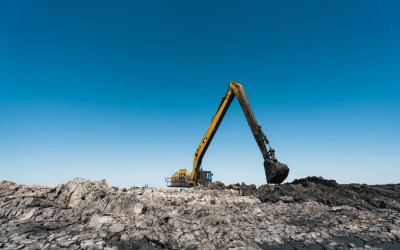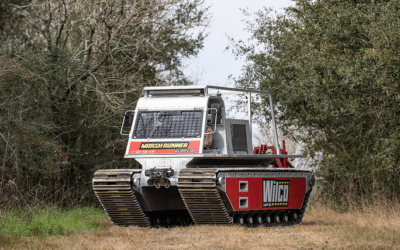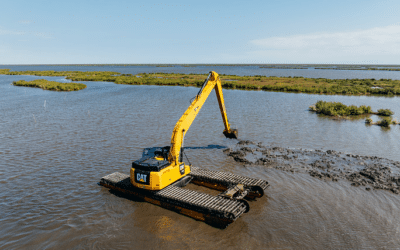
Amphibious Excavation Equipment is designed for projects where conventional excavators may struggle to operate because of soft ground, shallow water, wetlands, or unstable terrain. Amphibious Excavation Equipment combines excavating capabilities with a specialized undercarriage that provides greater stability and flotation in difficult environments. This allows contractors and project teams to perform excavation, dredging, vegetation removal, and material handling where standard machines may have limited access.
Amphibious Excavation Equipment is used across several industries because many projects involve terrain that cannot safely support conventional tracked or wheeled machinery. An amphibious excavator can operate in areas such as marshes, swamps, shorelines, floodplains, canals, and other waterlogged environments. Understanding which industries benefit most from this type of equipment can help project managers determine when specialized machinery is appropriate.
Wilco Manufacturing provides information about equipment designed for demanding excavation and wetland applications.
What Is Amphibious Excavation Equipment?
Amphibious Excavation Equipment refers to specialized machinery configured to operate on soft, wet, and partially submerged terrain. Unlike conventional excavators, these machines use flotation systems and wide undercarriage components to distribute machine weight across a larger surface area.
This reduces ground pressure and can improve stability in areas where ordinary equipment may become stuck or cause excessive ground disturbance.
Depending on the configuration, an amphibious excavator may be used for:
- Excavation
- Dredging
- Shoreline maintenance
- Vegetation removal
- Sediment management
- Canal maintenance
- Flood control work
- Wetland restoration
- Environmental remediation
The appropriate configuration depends on the project, terrain, water depth, material being handled, and required attachments.
1. Wetland Management and Restoration
Wetland projects are among the most common applications for Amphibious Excavation Equipment. Wetlands often contain saturated soils that provide important environmental functions but create challenging operating conditions for conventional construction machinery.
Restoration projects may involve removing invasive vegetation, reshaping channels, clearing sediment, or restoring natural water flow.
An amphibious excavator can provide access to areas where low ground pressure is important. Its flotation and wide working platform can help reduce the likelihood of becoming deeply embedded in soft terrain.
Wetland restoration teams may use amphibious machinery for:
- Channel restoration
- Sediment removal
- Invasive plant management
- Habitat improvement
- Water flow restoration
- Bank stabilization
Equipment selection should account for environmental requirements because minimizing disturbance can be an important part of wetland work.
2. Dredging and Sediment Management
Dredging operations frequently involve waterlogged environments where conventional excavation equipment has limited reach or stability.
Amphibious Excavation Equipment can support projects involving the removal of accumulated sediment from shallow waterways, ponds, canals, and other water bodies.
An amphibious excavator can be fitted with attachments appropriate for handling sediment and other materials. The machine’s ability to operate from soft shorelines or shallow water can make it useful when access from conventional land based equipment is difficult.
Dredging projects may involve:
- Removing accumulated sediment
- Maintaining drainage channels
- Clearing waterways
- Improving water flow
- Maintaining ponds and lagoons
- Supporting flood management
The specific equipment configuration should be selected based on water depth, sediment conditions, required reach, and material characteristics.
3. Flood Control and Water Management
Flood control projects often require work in areas that become saturated or inaccessible following heavy rainfall and flooding.
Water management agencies and contractors may use amphibious machines to clear channels, remove obstructions, maintain drainage systems, and manage accumulated sediment.
Because the equipment can operate on soft terrain, it may provide access to areas where conventional excavators could experience excessive ground pressure.
Applications can include:
- Drainage channel maintenance
- Floodway clearing
- Levee maintenance
- Culvert access work
- Watercourse management
- Sediment removal
The ability to work in challenging terrain can be particularly relevant when access conditions are a major consideration in project planning.
4. Environmental Remediation
Environmental remediation projects can involve contaminated soil, sediment, wetlands, former industrial sites, or other areas where conventional equipment may not be suitable.
Specialized excavation machinery can help project teams access difficult areas while performing controlled excavation or material removal.
Amphibious machines may be used for projects involving sediment removal, contaminated material handling, vegetation management, or restoration of affected waterways.
Environmental projects often require careful planning because equipment movement itself can affect surrounding areas. Low ground pressure and appropriate equipment selection can therefore be important considerations.
Project teams should evaluate site conditions, environmental requirements, material characteristics, and applicable regulations before selecting machinery.
Why Equipment Selection Matters
Not every amphibious machine is suitable for every project. Equipment selection should be based on the actual operating environment and the work that needs to be completed.
Important factors can include:
- Maximum water depth
- Soil conditions
- Required reach
- Machine operating weight
- Attachment requirements
- Ground pressure
- Required lifting capacity
- Transportation requirements
- Environmental restrictions
Working with an experienced amphibious equipment manufacturer can help project teams understand which machine configuration is appropriate for a particular application.
For more information about specialized machinery, see the amphibious excavator manufacturer information provided by Wilco Manufacturing.
Amphibious Equipment and Reduced Ground Pressure
One of the main characteristics of amphibious machinery is its ability to distribute weight over a larger surface area.
Conventional excavators can create high ground pressure when operating on soft soils. This can result in sinking, reduced mobility, or increased ground disturbance.
Amphibious systems are designed to provide flotation and stability, helping the machine operate in environments where conventional equipment may have difficulty maintaining a stable working position.
However, reduced ground pressure does not mean that every site is automatically suitable. Soil composition, water depth, slope, machine configuration, and weather conditions can all affect performance.
Marsh Equipment for Difficult Terrain
Marsh equipment is designed for environments where conventional machines may have difficulty maintaining traction and stability.
Projects involving marshes, swamps, wetlands, and shallow water can require specialized equipment with appropriate flotation and ground pressure characteristics.
The marsh equipment options available for these environments can be evaluated based on the specific terrain and operational requirements.
Project managers should consider both the machine’s capabilities and the site’s limitations before beginning work.
How Does an Amphibious Equipment Manufacturer Support Project Planning?
An amphibious equipment manufacturer can provide technical information about machine capabilities, configurations, attachments, and operating limitations.
This information can help contractors evaluate whether a particular machine is appropriate for their project.
Before selecting equipment, project teams should clearly define:
- The terrain and soil conditions
- Expected water depth
- Required excavation depth and reach
- Materials that need to be moved
- Required attachments
- Site access and transportation requirements
- Environmental considerations
- Expected operating conditions
Having this information available can make equipment evaluation more precise.
Final Thoughts
Amphibious Excavation Equipment provides specialized capabilities for projects involving soft ground, wetlands, shallow water, marshes, and other difficult environments. Industries such as wetland management, dredging, flood control, environmental remediation, shoreline maintenance, utilities, mining, and infrastructure construction can benefit from machinery designed for these conditions.
The value of an amphibious excavator depends on the specific site and application. Factors such as ground pressure, flotation, reach, water depth, attachments, and environmental requirements should all be considered before equipment is selected.
For project teams evaluating equipment for wetland, marsh, shoreline, or other challenging terrain applications, Contact us to discuss the equipment requirements for your project.
Frequently Asked Questions
Q1. What industries use amphibious excavation equipment?
Industries that may use amphibious excavation equipment include wetland management, dredging, flood control, environmental remediation, shoreline construction, utilities, mining, and infrastructure development.
Q2. What is an amphibious excavator used for?
An amphibious excavator can be used for excavation, dredging, sediment removal, vegetation management, shoreline work, channel maintenance, environmental restoration, and other tasks in soft or waterlogged environments.
Q3. Why are swamp machines useful in wetlands?
Swamp machines are designed to operate on soft and saturated terrain. Their specialized undercarriage and flotation characteristics can help distribute machine weight and provide greater stability than conventional equipment in suitable conditions.
Q4. How do I choose the right amphibious equipment manufacturer?
Consider the manufacturer’s experience, machine configurations, available attachments, technical specifications, and ability to address the operating conditions of your project. Site conditions should be clearly evaluated before selecting equipment.
Q5. Can amphibious equipment operate in water?
Some amphibious equipment is designed to operate in shallow water and waterlogged environments. The permissible water depth and operating conditions depend on the specific machine configuration and manufacturer’s specifications.