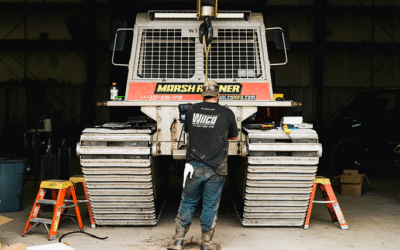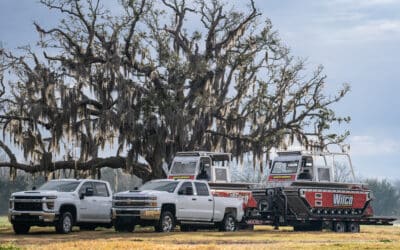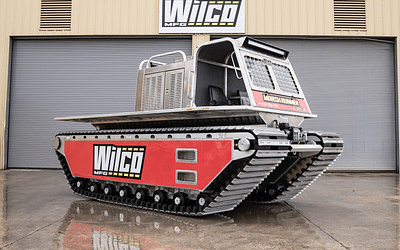
A Marsh Buggy Excavator is a specialized machine designed to handle challenging environments where traditional construction equipment may struggle. A Marsh Buggy Excavator provides improved mobility, stability, and operational efficiency when working in wetlands, swamps, marshes, and soft ground conditions. These machines are built to move through unstable terrain while supporting excavation, maintenance, and environmental projects.
Wetland projects often require equipment that can operate effectively without becoming stuck or causing excessive ground disturbance. Traditional excavators are generally designed for firm surfaces and may face limitations when used in muddy or waterlogged areas. Specialized equipment from Wilco Manufacturing helps operators complete demanding projects by providing solutions designed for difficult working conditions.
Understanding Marsh Buggy Excavators
A marsh buggy excavator is a specialized excavating machine created for areas with soft soil, shallow water, and unstable terrain. These machines combine traditional excavator functions with amphibious mobility systems that allow them to operate in environments where standard excavators may experience difficulties.
Unlike conventional excavators that use standard tracks, marsh excavators often feature flotation systems and specialized undercarriages. These designs help distribute the machine’s weight over a larger area, reducing the risk of sinking.
A marsh buggy can support various applications, including:
• Wetland restoration
• Pipeline construction
• Drainage maintenance
• Environmental projects
• Dredging operations
• Flood control work
The ability to access difficult locations makes these machines valuable for industries that require dependable performance in challenging environments.
Limitations of Traditional Excavators in Wetlands
Traditional excavators are highly effective for construction, landscaping, and industrial work on stable surfaces. However, wetlands create unique challenges because of their soft and unpredictable ground conditions.
Common problems with traditional excavators in wetlands include:
• Reduced traction
• Increased risk of getting stuck
• Limited access to remote areas
• Higher ground pressure
• Additional site preparation requirements
When conventional equipment cannot move efficiently, projects may experience delays and increased operating costs. Additional support methods such as temporary roads or ground reinforcement may be required before work can begin.
A marsh excavator is designed specifically to overcome these limitations and improve productivity in wet environments.
Improved Mobility on Soft and Wet Terrain
One of the most important benefits of a Marsh Buggy Excavator is its ability to travel across soft ground. The specialized undercarriage and flotation design allow the machine to move through mud, marshes, and shallow water areas.
Improved mobility helps operators:
• Reach difficult work locations
• Reduce equipment relocation challenges
• Continue operations in wet conditions
• Complete projects more efficiently
By improving accessibility, marsh buggy equipment allows operators to work in areas that would otherwise require significant preparation.
Amphibious Technology Behind Marsh Buggy Equipment
The effectiveness of these machines comes from amphibious technology. An amphibious excavator combines excavation capabilities with specialized mobility systems designed for water and soft terrain.
As an amphibious excavator manufacturer, Wilco Manufacturing develops equipment designed to support demanding applications in wetlands and other challenging environments.
Important features of amphibious systems include:
• Improved flotation
• Better stability
• Enhanced mobility
• Adaptability to different terrains
These features allow operators to complete projects in locations where traditional equipment may not provide the required performance.
Enhanced Stability During Excavation
Excavation requires a stable working platform, especially when handling heavy materials or performing precise digging operations. Traditional machines may experience instability when working on uneven or saturated ground.
A marsh buggy excavator provides improved stability through wider undercarriage systems and better weight distribution. This allows operators to perform excavation tasks with greater control.
Enhanced stability supports activities such as:
• Digging
• Material handling
• Lifting operations
• Land maintenance
A stable machine improves safety and helps maintain consistent performance during demanding projects.
Reduced Environmental Impact
Wetland areas often contain sensitive ecosystems that require careful management. Heavy equipment can create unnecessary ground disturbance if it is not designed for these environments.
Marsh buggy excavators help reduce environmental impact by spreading machine weight across a larger surface area. This lowers ground pressure and minimizes damage to surrounding areas.
Reduced disturbance is beneficial for:
• Conservation projects
• Wetland restoration
• Environmental maintenance
• Waterway improvement
Using suitable equipment helps complete necessary work while protecting surrounding environments.
Increased Project Productivity
Productivity depends on completing tasks efficiently while reducing downtime. A Marsh Buggy Excavator improves productivity by allowing operators to continue working in conditions where traditional machines may require additional support.
These machines help improve efficiency by:
• Reducing recovery time
• Improving access to challenging areas
• Supporting continuous operations
• Reducing preparation requirements
When equipment can perform reliably in difficult terrain, projects can progress more smoothly.
Applications of Marsh Excavators
Marsh excavators are used across several industries where traditional equipment may not provide sufficient performance.
Wetland Restoration Projects
Environmental restoration often requires equipment that can operate carefully in sensitive areas. Marsh buggy machines are used for removing unwanted materials, improving waterways, and restoring damaged wetland environments.
Pipeline and Utility Construction
Pipeline projects may pass through areas with unstable soil or waterlogged terrain. Amphibious equipment allows workers to access these areas while maintaining operational efficiency.
Dredging and Water Management
Water management projects often require equipment that can operate near or within wet areas. Marsh excavators are useful for dredging, drainage improvements, and maintaining waterways.
Importance of Equipment Maintenance and Parts
Maintaining specialized equipment is essential for reliable operation. Marsh excavators and amphibious machines require components that can withstand challenging working environments.
Quality parts help support:
• Equipment performance
• Longer machine lifespan
• Reduced downtime
• Reliable operation
Operators using amphibious equipment can explore solutions such as Hydratrek amphibious vehicle parts to support maintenance and equipment needs.
Marsh Buggy Excavator Compared to Traditional Excavators
The main difference between a marsh buggy excavator and a traditional excavator is their ability to operate in unstable environments.
Traditional excavators:
• Perform best on firm surfaces
• May require additional ground support
• Have limited wetland mobility
Marsh buggy excavators:
• Operate on soft terrain
• Provide improved flotation
• Access difficult locations
• Reduce ground pressure
These advantages make marsh excavators a practical solution for industries working in challenging environments.
Choosing the Right Marsh Buggy Equipment
Selecting the right marsh buggy depends on project requirements, terrain conditions, and operational goals.
Important factors include:
• Type of environment
• Required digging capacity
• Project duration
• Equipment capabilities
• Maintenance support
Choosing equipment that matches project needs helps improve productivity and operational efficiency.
The Wilco Marsh Runner is designed for applications where mobility and performance are required in difficult wetland environments.
Future of Wetland Equipment
As environmental projects, infrastructure development, and land management activities continue to grow, specialized equipment will become increasingly important. Marsh buggy technology continues to improve through better designs, stronger components, and more efficient systems.
Modern amphibious equipment allows industries to complete important projects while improving productivity and reducing environmental impact.
Conclusion
A Marsh Buggy Excavator provides significant advantages when working in wetlands compared to traditional excavators. Its specialized design improves mobility, stability, and efficiency while allowing operators to access difficult environments.
From restoration projects and pipeline construction to dredging and water management, marsh excavators provide reliable performance where standard machines may face limitations. Choosing the right equipment allows businesses to complete projects more effectively while managing challenging terrain conditions.
For equipment solutions and project support, you can contact Wilco Manufacturing to learn more about specialized amphibious equipment options.
Frequently Asked Questions
Q1. What is a Marsh Buggy Excavator?
A Marsh Buggy Excavator is specialized equipment designed to operate in wetlands, swamps, and soft terrain using flotation and mobility systems.
Q2. How is a marsh excavator different from a traditional excavator?
A marsh excavator is designed for unstable environments with improved flotation and stability, while traditional excavators are mainly built for firm ground conditions.
Q3. What industries use marsh buggy excavators?
Marsh buggy excavators are commonly used for wetland restoration, pipeline construction, dredging, drainage maintenance, and environmental projects.
Q4. Can I find a marsh excavator for sale?
Yes, specialized manufacturers provide marsh excavator for sale options designed for different wetland and industrial applications.
Q5. Why are amphibious excavators useful in wetlands?
Amphibious excavators provide better mobility, stability, and flotation, allowing operators to complete projects in areas where standard equipment may not perform effectively.